Vacuum casting, a process highly valued in the manufacturing industry, has sparked a significant discussion around its ability to produce continuous – use parts. As a provider of vacuum casting services, I am deeply involved in this topic and eager to share insights based on my hands – on experience and in – depth knowledge of the process. Vacuum Casting Services
Understanding Vacuum Casting
Vacuum casting is a manufacturing technique that involves creating a mold, typically from a master pattern, and then using a vacuum to draw liquid resin into the mold. This process is known for its high precision and the ability to replicate fine details. It offers a cost – effective alternative to traditional injection molding, especially for small – to medium – sized production runs.
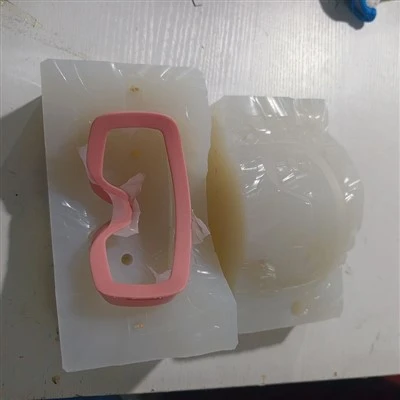
The process begins with the creation of a master pattern, which can be made through various methods such as 3D printing. Once the master pattern is ready, a silicone mold is created around it. The silicone mold is flexible and can capture even the most intricate details of the master pattern. After the mold is cured, it is placed in a vacuum chamber. The liquid resin is then poured into the mold under vacuum conditions, which helps to eliminate air bubbles and ensure a high – quality cast.
Factors Affecting the Suitability for Continuous – Use Parts
Material Properties
The choice of resin is crucial when considering the production of continuous – use parts. Different resins have different mechanical properties, such as strength, flexibility, and heat resistance. For example, polyurethane resins are commonly used in vacuum casting. They offer a good balance of strength and flexibility, making them suitable for a wide range of applications. However, for parts that need to withstand high temperatures or heavy loads, more specialized resins may be required.
Epoxy resins, on the other hand, are known for their high strength and excellent chemical resistance. They are often used in applications where the part needs to be durable and resistant to harsh environments. But they may be more brittle compared to polyurethane resins, which could limit their use in applications that require a high degree of flexibility.
Design Considerations
The design of the part also plays a vital role in determining its suitability for continuous use. Parts with complex geometries may be more challenging to produce using vacuum casting. The mold design needs to allow for easy removal of the cast part without causing damage. Additionally, features such as thin walls or sharp corners can affect the strength and durability of the part.
For example, a part with thin walls may be more prone to cracking or breaking under stress. To overcome this, the design may need to be adjusted to increase the wall thickness or add reinforcement features. Similarly, sharp corners can create stress concentration points, which can lead to premature failure of the part. Rounding the corners can help to distribute the stress more evenly and improve the overall durability of the part.
Production Process
The quality of the vacuum casting process itself can have a significant impact on the performance of the continuous – use parts. Factors such as the vacuum level, the temperature of the resin, and the curing time all need to be carefully controlled.
A low vacuum level may result in air bubbles being trapped in the cast part, which can weaken the part and reduce its durability. On the other hand, an improper resin temperature can affect the flow properties of the resin and lead to incomplete filling of the mold. The curing time also needs to be optimized to ensure that the resin fully cures and develops its maximum mechanical properties.
Advantages of Vacuum Casting for Continuous – Use Parts
Cost – Effectiveness
One of the major advantages of vacuum casting for continuous – use parts is its cost – effectiveness. Compared to injection molding, which requires expensive tooling, vacuum casting uses relatively inexpensive silicone molds. This makes it a more viable option for small – to medium – sized production runs.
For companies that need to produce a limited number of continuous – use parts, vacuum casting can significantly reduce the upfront costs. The ability to produce parts in small quantities also allows for more flexibility in product development and customization.
Quick Turnaround
Vacuum casting offers a relatively quick turnaround time compared to other manufacturing processes. Once the master pattern is created, the silicone mold can be made in a matter of days. The casting process itself is also relatively fast, allowing for the production of parts in a short period.
This quick turnaround time is especially beneficial for companies that need to get their products to the market quickly. It enables them to test and refine their designs without having to wait for long lead times associated with traditional manufacturing processes.
High Precision and Detail Replication
Vacuum casting is capable of producing parts with high precision and excellent detail replication. The silicone mold can capture even the smallest features of the master pattern, resulting in parts that are highly accurate and consistent.
This high level of precision is essential for continuous – use parts, especially in applications where the part needs to fit precisely with other components. It ensures that the part functions as intended and reduces the risk of premature failure due to misalignment or improper fit.
Limitations and Challenges
Limited Production Volume
One of the main limitations of vacuum casting is its limited production volume. Silicone molds have a limited lifespan, typically ranging from 20 to 50 castings depending on the complexity of the part and the type of resin used. This makes it less suitable for large – scale production runs.
For companies that need to produce a large number of continuous – use parts, injection molding may be a more appropriate option. However, for small – to medium – sized production runs, vacuum casting can still offer a cost – effective and efficient solution.
Material Limitations
Although there is a wide range of resins available for vacuum casting, the material properties may not always meet the requirements of all continuous – use applications. Some high – performance applications may require materials with specific properties such as extreme heat resistance or high chemical resistance that may not be easily achievable with vacuum casting resins.
In such cases, alternative manufacturing processes or materials may need to be considered. However, continuous research and development in the field of resins are constantly expanding the capabilities of vacuum casting, and new materials are being developed to meet more demanding applications.
Real – World Applications of Vacuum Casting for Continuous – Use Parts
Automotive Industry
In the automotive industry, vacuum casting is used to produce various continuous – use parts such as interior components, dashboard parts, and small mechanical parts. The high precision and detail replication of vacuum casting make it suitable for creating parts that need to fit precisely with other components in the vehicle.
For example, vacuum – cast dashboard parts can be produced with complex shapes and textures, providing a high – quality finish. The cost – effectiveness and quick turnaround time of vacuum casting also make it an attractive option for automotive manufacturers, especially for prototyping and small – batch production.
Consumer Electronics
In the consumer electronics industry, vacuum casting is used to produce parts such as casings, buttons, and connectors. The ability to produce parts with high precision and a smooth finish is essential for the aesthetic and functional requirements of consumer electronics products.
Vacuum – cast casings can be designed to fit the internal components of the device perfectly, providing protection and a sleek appearance. The quick turnaround time allows for rapid product development and iteration, enabling companies to stay competitive in the fast – paced consumer electronics market.
Conclusion
In conclusion, vacuum casting services can indeed make continuous – use parts, but it depends on several factors such as material properties, design considerations, and the production process. While there are limitations and challenges, the advantages of cost – effectiveness, quick turnaround, and high precision make vacuum casting a viable option for many applications.
As a provider of vacuum casting services, I am committed to helping my clients produce high – quality continuous – use parts. Whether you are in the automotive, consumer electronics, or any other industry, I can work with you to optimize the design and production process to meet your specific requirements.
CNC Milling Services If you are interested in exploring the possibilities of vacuum casting for your continuous – use parts, I encourage you to contact me for a consultation. We can discuss your project in detail, evaluate the feasibility, and develop a customized solution that meets your needs.
References
- Campbell, F. C. (2012). Manufacturing Processes for Advanced Composites. Elsevier.
- Gibson, I., Rosen, D. W., & Stucker, B. (2015). Additive Manufacturing Technologies: 3D Printing, Rapid Prototyping, and Direct Digital Manufacturing. Springer.
- Wohlers, T., & Gornet, T. (2017). Wohlers Report 2017: 3D Printing and Additive Manufacturing State of the Industry. Wohlers Associates.
Shenzhen Multi-Wins Precision Technology Co., Ltd.
As one of the most professional vacuum casting manufacturers and suppliers in China, we have world-leading production equipment and strong manufacturing capabilities. Please feel free to buy customized vacuum casting made in China here from our factory. Also, quotation is available.
Address: 1 Phase, Yi’an City Central Garden, Longfei Avenue, Longgang District, Shenzhen, GD, China. 518100
E-mail: info@multi-wins.com
WebSite: https://www.multi-wins.com/
