If you’ve ever been in a vehicle that glides over potholes like they’re barely there, or a big rig that doesn’t shake your teeth loose on a rough highway, chances are automotive rubber air springs are doing most of the heavy lifting. I’m part of a small-but-mighty automotive rubber products supplier, and let me tell you—these things aren’t just random rubber parts. They’re one of the most underrated pieces of gear in any vehicle, but their applications go way beyond just making rides comfy. Let’s break down what they actually do, because it’s way more than I thought when I first started learning about our line of these. Automotive Rubber Products

First, let’s get the basics straight, real quick. A rubber air spring is basically a reinforced rubber bladder (usually with nylon or polyester cords to keep it from stretching out) that holds compressed air, right? Unlike metal coil springs or leaf springs, they can adjust their air pressure to change how firm or soft the suspension is. That adjustability is the secret sauce, and that’s where most of their useful applications come in.
Let’s start with passenger vehicles, because that’s the stuff most people interact with. Back in the day, only luxury cars had air springs, but these days even mid-size SUVs and some sedans are rocking them. Why? Two big reasons: ride comfort and load leveling. If you’ve ever loaded up your SUV with camping gear, kids’ sports equipment, and a full cooler, you probably noticed the rear end sagged a little. That’s where air springs come in—you can top them up with a little air to lift the rear back to its normal height, so the ride doesn’t feel all bouncy or harsh once you’re moving. It also keeps the headlight angle right, which is a safety thing; if your rear is sagging, your headlights point up into other drivers’ eyes, and no one wants that.
Wait, and what about the ride comfort part? On my own family’s 2022 minivan, if I take a sharp turn going 50, the suspension doesn’t lean like it did on my old 2010 model. That’s because air springs can adapt to different loads and driving conditions in real time. If you’re cruising on a smooth highway, the system softens the air pressure a tiny bit to soak up small bumps. If you’re going around a corner or hitting a big pothole, it stiffens up to keep the vehicle stable. It’s way more seamless than a regular spring, and that’s why so many automakers are ditching metal springs for rubber air springs these days. I remember a couple years ago, we got a big order for air springs from an SUV manufacturer, and their engineers told us they were getting less complaints about back pain from test drivers—small stuff, but it adds up.
Now, the part that doesn’t get talked about as much: commercial trucks and heavy-duty vehicles. This is where rubber air springs really shine, honestly. Semi-trucks, delivery vans, garbage trucks—all of these use air springs now, and for super practical reasons. Let’s take a long-haul semi, for example. A driver might be carrying 40,000 pounds of cargo one trip, and 10,000 pounds the next. Leaf springs are great for heavy loads, but they’re harsh when you’re light. Air springs let the driver adjust the pressure on the fly, so whether you’re empty or fully loaded, the ride is consistent. That doesn’t just make the driver’s job way less tiring—less fatigue means fewer accidents, right? Also, for delivery companies that have vans making stop-and-go runs all day, air springs protect the cargo way better. If you’re dropping off packages of fragile electronics or perishable food, a rough, bouncy truck can ruin that stuff. Our clients who deliver refrigerated goods swear by air springs because they cut down on product damage by a huge margin.
Garbage trucks are another big one for us. Those things pick up bins that weigh thousands of pounds, and they’re constantly stopping and starting on rough residential streets. The shocks from that would beat a metal spring to death in no time, but rubber air springs can handle that repetitive, heavy load way better. They also level the truck when it’s on uneven ground to pick up a bin—no one wants a truck tilting so far that it spills garbage all over the road mid-pickup. That application alone keeps our production lines running almost 24/7 some months, and honestly, it makes sense; garbage trucks are used every single day, year-round, so their parts need to be tough.
Wait, don’t get me started on buses—public transit buses, school buses, tour buses. If you’ve ever been on a school bus that hits a speed bump and you nearly jump out of your seat, that’s the old spring system. Newer buses with rubber air springs? That speed bump is just a tiny jolt, and it’s not just comfy for kids (and kids bouncing around is less of a safety hazard!). It also helps with door leveling—when a bus pulls up to a stop, the air springs adjust the height of the floor so it’s even with the curb, which is super important for elderly passengers or people in wheelchairs. That’s a huge accessibility win, and it’s all because of that rubber bladder holding air. Our team actually worked with a transit authority last year to customize some air springs for their new electric school bus fleet—they needed something extra durable because electric buses are heavier than gas ones, so we adjusted the cord reinforcement to handle the extra weight. That’s the kind of specific, customer-focused work we do here, and it’s cool to see our parts directly help make transit safer for kids.
Then there’s the off-road side—ATVs, UTVs, even some agricultural vehicles. Wait, a lot of people don’t realize this, but farmers use air springs on their tractors and combine harvesters. Those machines are massive, they drive over fields full of rocks and ruts, and they spend 10+ hours a day on rough ground. A farmer’s back is their livelihood, right? If they’re bouncing around in a tractor all day, that leads to long-term injury. Air springs absorb way more of that vibration than metal springs, so farmers can work longer and feel way better at the end of the day. Plus, when they’re hauling a full load of grain in a trailer, air springs level the trailer so it doesn’t sway on bumpy country roads. We supply a lot of small agricultural equipment shops with our air springs, and we get feedback all the time about how much happier their customers are. Last season, a farmer told us that since he switched to our air springs, he’s had fewer days off with back pain—nothing makes our team prouder than that kind of story.
Okay, but what about the other stuff? Wait, some specialty vehicles, like luxury RVs, camper vans, even food trucks. If you’re living in an RV full-time, you don’t want the rear end sagging when you pull a trailer or stock up on supplies. Air springs keep the RV level while you’re driving, but also, once you’re parked, they can adjust to make the RV’s interior floor as flat as possible. No more tilting your coffee mug all morning because one side of the RV is lower. Food trucks? They need to stay level too, so when they’re serving food, their prep counters aren’t slanted, and their refrigeration units work better—another small thing that makes a big difference.
Now, let’s talk about why rubber specifically, not some other material? That’s the big question for a lot of our new clients. Rubber is flexible, it can handle extreme temperatures—we’re talking -40°F in the winter in Minnesota to 120°F in the summer in Texas. Metal springs rust, they corrode, they break after years of exposure to road salt, rain, and dirt. Rubber air springs are sealed, so they don’t corrode, and they absorb vibration way better than metal, which means less wear and tear on other parts of the suspension. I’ve seen our air springs last twice as long as metal springs in the same applications, especially in harsh environments like salt-covered roads in the North. That durability is why we’ve built our reputation—we don’t sell a one-size-fits-all part; we customize the rubber compound and reinforcement for the specific vehicle or use case.
Wait, let’s be real here—no part is perfect, right? Air springs do have some limits. They need a proper air supply system, so if that system fails, they don’t work as well, but they’re way more reliable than people give them credit for. Also, they require a little more maintenance than basic springs, but for most applications, the payoff in comfort, safety, and durability is way worth it. We have a whole maintenance guide for our clients, and our team is always available to walk them through any issues.
At the end of the day, I’ve been working in this automotive rubber products space for 8 years now, and I still get excited when I see a new application for our air springs. They’re not just a suspension part—they’re a part that makes driving safer, work easier, and everyday life more comfortable. Whether you’re a parent driving your kid to soccer practice in an SUV, a long-haul driver crossing the country, a farmer working your fields, or a transit worker taking kids to school, our rubber air springs are probably making that experience a little better.
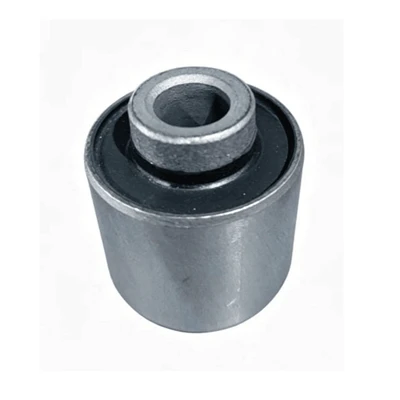
If you’re in the market for custom automotive rubber parts, whether you’re an automaker, a fleet manager, a agricultural equipment shop, or any other business that needs durable, reliable air springs, we’re here to help. We work with clients of all sizes, from small local shops to big national fleets, and we can tailor our products to fit your specific needs. Don’t hesitate to reach out to our team to chat through your requirements—we’re happy to answer questions, share samples, or walk you through our customization process. We’re not just a supplier; we’re a partner, and we’re invested in making sure your vehicles run as smoothly as possible.
Automotive Rubber Products References
- Society of Automotive Engineers (SAE) International. (2021). "Advancements in Automotive Air Spring Technology for Light and Heavy-Duty Vehicles." SAE Technical Paper Series.
- Rubber Manufacturers Association (RMA). (2022). "Automotive Rubber Components: Performance and Application Guidelines." RMA Industry Report.
- National Highway Traffic Safety Administration (NHTSA). (2020). "Suspension Systems and Vehicle Stability: The Role of Air Springs in Improving Driver Safety." NHTSA Technical Brief.
- Agricultural Equipment Technology Association (AE50). (2021). "Vibration Damping in Agricultural Machinery: Air Spring Applications for Operator Comfort." AE50 Journal.
Anhui Denaifu Auto Shock Tech Co., Ltd.
As one of the most professional automotive rubber products manufacturers and suppliers in China, our products have good reputation in the market. Please rest assured to buy bulk high quality automotive rubber products for sale here from our factory. Good service and punctual delivery are available.
Address: No.88 Qingshan Road, Helixi Development Zone, Ningguo City, Anhui Province
E-mail: ngzx_wxm@126.com
WebSite: https://www.denaifuauto.com/
