If you’ve ever worked with industrial materials—whether you’re running a chemical processing plant, a semiconductor fabrication facility, or a custom machinery shop—you’ve probably asked yourself: can the graphite we use hold up to the chemicals we run through our equipment? As a graphite material supplier, I get this question almost weekly, and it’s one of the most common (and most important) inquiries we field. The short answer is yes, but it’s not a one-size-fits-all response. Graphite’s chemical resistance depends on several key factors: the type of graphite, the chemical it’s exposed to, temperature, and even the duration of contact. Let’s break this down, because getting it right can mean the difference between months of costly downtime and years of reliable performance. Graphite Material
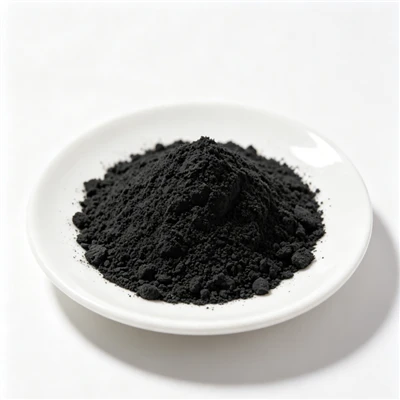
First, let’s start with the basics of what graphite is. Unlike metal, which forms oxides (rust, tarnish) when exposed to many chemicals, graphite is an allotrope of carbon with a layered molecular structure. Each layer is tightly bonded by strong covalent bonds, but the spaces between layers are held by weak van der Waals forces. This structure gives it unique properties, including resistance to most corrosive chemicals. But not all graphite is the same. For our purposes, we work with two primary grades: natural graphite and synthetic graphite. Natural graphite is mined, processed, and often purified to remove impurities like silica, metals, and ash. Synthetic graphite is made by heating carbonaceous materials (like petroleum coke) to extremely high temperatures, creating a more uniform, dense structure.
When it comes to chemical resistance, both grades have strengths, but synthetic graphite tends to outperform natural graphite in most industrial chemical applications. Why? Because natural graphite, even after purification, can still have residual mineral impurities that can react with certain chemicals. For example, if you have natural graphite with traces of iron, it might corrode or react with acidic solutions over time. Synthetic graphite, on the other hand, is nearly 99% pure carbon, so those reaction points are far fewer. That’s why most industrial graphite components—heat exchangers, reaction vessels, pump parts—are made from synthetic graphite, often with additional treatments to boost performance.
Now, let’s talk about which chemicals graphite handles well. This is where the science gets tangible. Graphite is highly resistant to acids, including hydrochloric, sulfuric, nitric, and phosphoric acid—even at high concentrations and elevated temperatures. For example, we’ve supplied graphite heat exchangers to chemical plants that run 98% sulfuric acid at 120°C, and those exchangers have lasted 10+ years with minimal degradation. It also stands up to alkalis like sodium hydroxide (caustic soda), which is a big win for industries that handle soap, detergents, and paper products. Even many organic solvents—ethanol, acetone, benzene—don’t affect graphite, making it useful for pharmaceutical processing and chemical synthesis.
But here’s the catch: graphite is not resistant to all chemicals. The big exceptions are strong oxidizing agents. This includes concentrated nitric acid (above 70%), hydrogen peroxide at high concentrations, and halogenated compounds like chlorine, bromine, and their solutions. Oxidizing agents react with the carbon in graphite, breaking down its molecular structure over time. If you expose graphite to chlorine at room temperature, it will slowly oxidize; heat that up to 80°C, and the reaction speeds up dramatically, leading to pitting, cracking, and eventual failure. We’ve seen this mistake before: a client once tried to use standard graphite gaskets in a chlorine scrubber system, and within six months, the gaskets had disintegrated, causing a chemical leak and thousands in repair costs. That’s why we always advise clients to test their specific chemical environment before choosing a graphite grade.
Another factor that’s often overlooked is temperature. Graphite’s chemical resistance actually improves with temperature—up to a point. At temperatures above 400°C in air, graphite starts to oxidize (turn to carbon dioxide). In inert atmospheres (like nitrogen or argon), it can withstand temperatures up to 3,000°C with no chemical degradation. But in chemical environments, high temperature can accelerate reactions even with non-oxidizing chemicals. For example, while graphite is resistant to dilute sulfuric acid at room temp, at 150°C, dilute sulfuric acid can cause surface etching over time. That’s why we work closely with clients to map out their operating conditions: not just the chemical, but concentration, temperature, pressure, and how long the system runs continuously. It’s not enough to say “we use acid”—we need to know exactly which acid, how strong, and at what temp to recommend the right graphite grade.
Then there’s the difference between solid graphite and graphite composites. Some graphite products are reinforced with materials like resin or metal to improve strength, but those additives can affect chemical resistance. For example, resin-impregnated graphite is great for structural strength, but the resin can break down in organic solvents or strong acids, leading to component failure. At our company, we offer both “pure” dense graphite (for maximum chemical resistance) and resin-impregnated graphite (for applications where strength under moderate chemical exposure is key). We always explain the tradeoffs to clients: if your system runs 24/7 with 50% sulfuric acid at 100°C, pure graphite is the way to go. If it’s a low-stress application with occasional exposure to mild chemicals, resin-impregnated might work and cost less.
Let’s share a real example to put this in perspective. A few years back, a battery manufacturing company reached out to us. They needed components for a lithium-ion battery electrolyte processing line, which uses a mix of organic solvents, lithium salts, and mild acids at 60°C. The supplier they’d been using tried a metal alloy part, which corroded within three months, contaminating their electrolyte and forcing a full line shutdown. They switched to our synthetic graphite grade, and those parts have been in use for four years now, with no degradation and zero contamination. That’s the kind of result we aim for: understanding their specific use case, matching the right graphite material, and avoiding costly mistakes.
Another example: a water treatment plant needed heat exchangers for their sulfuric acid-based pH adjustment system. They were using stainless steel exchangers, which corroded every two years, requiring complete replacement. We recommended our impervious graphite heat exchangers, which are sealed with a special resin that’s resistant to sulfuric acid. Those exchangers have been running for seven years, with only routine maintenance. The upfront cost was higher than stainless steel, but the long-term savings from not replacing parts every two years made it a no-brainer.
Of course, no material is perfect, and graphite has its limits. As I mentioned earlier, oxidizing chemicals are the main enemy. We once had a client in the water disinfection industry who wanted to use graphite parts in a chlorine injection system. We explained that standard graphite would oxidize in chlorine, but we also offered a solution: fluorinated graphite, which is treated to resist oxidizing agents. The fluorination process bonds fluorine atoms to the graphite’s surface, creating a barrier that prevents chlorine from reacting with the carbon. That client has been using fluorinated graphite parts for five years now, with no issues. It’s a custom solution, but that’s what we do for our clients—we don’t just sell a product; we help them solve their chemical resistance challenges.
I often hear people ask: why not just use a more corrosion-resistant metal, like Hastelloy or titanium? Those metals are great, but they come with downsides. First, they’re much more expensive than graphite. Second, they’re heavier, which can add cost to installation and support. Third, some chemicals react with even those metals—for example, titanium can react with hot hydrochloric acid, while graphite won’t. For many applications, graphite is the best balance of performance, cost, and durability.
But let’s get back to the core question: is graphite material resistant to chemicals? The answer is a qualified yes. It is highly resistant to most non-oxidizing acids, alkalis, and organic solvents, especially in synthetic, high-purity grades. It has excellent thermal stability, which enhances its chemical resistance in high-temperature environments. But it is not resistant to strong oxidizing agents, and its performance can be affected by temperature, chemical concentration, and the presence of impurities. That’s why it’s critical to partner with a supplier who understands these nuances.
At our company, we don’t just provide graphite materials—we work with clients to test their specific chemical environments, recommend the right grade, and even customize components to fit their exact needs. We’ve tested our materials against hundreds of chemicals in our in-house lab, so we know exactly how they perform under different conditions. We also provide technical support every step of the way: from initial consultation to installation guidance to ongoing maintenance tips.

If you’re currently dealing with chemical corrosion issues in your equipment, or you’re looking to switch to a more reliable material for your next project, let’s connect. We can send you sample materials for testing, walk you through the pros and cons of different graphite grades, and help you find the right solution that fits your budget and operating conditions. Don’t let corrosion cause downtime, contamination, or unnecessary costs—graphite might be the solution you’ve been overlooking. Just reach out to our team to start the conversation about your specific requirements.
Carbon Fiber References
- "Graphite Properties and Applications," International Union of Pure and Applied Chemistry (IUPAC), 2019
- Corrosion Behavior of Graphite in Industrial Chemical Environments, Journal of Materials Science, Vol. 52, No. 12, 2017, pp. 7213-7225
- "High-Purity Synthetic Graphite for Chemical Processing," Industrial Materials Report, Vol. 34, No. 4, 2021, pp. 18-22
- Oxidation Resistance of Modified Graphite for Aggressive Chemical Environments, Carbon, Vol. 109, 2016, pp. 456-465
Tianjin Chun Technology Co., Ltd.
As one of the most professional graphite material manufacturers and suppliers in China, we’re featured by quality products and good price. Please rest assured to wholesale bulk premium graphite material made in China here from our factory. Contact us for more details.
Address: Room 409, 4th Floor, Building 7, No.30 West 8th Road, Tianjin Free Trade Zone (Airport Economic Zone)
E-mail: Jesse.chuntech@gmail.com
WebSite: https://www.chuntechgraphite.com/
