Hey guys, let’s talk about something I get asked all the time as an aroma stones supplier: Do these things actually have side effects? I mean, when I’m answering DMs at 10 PM, I swear 7 out of 8 questions are about whether these little porous rock guys are safe. No cap, I used to be skeptical too—like, can putting a stone that absorbs essential oils all over your space actually mess with anything? After three years of testing, talking to labs, and even my cousin (who’s a chemist, so not just my rambling), I’ve got the real tea here. Let’s break it down, no textbook jargon. Aroma Stones

First off, let’s be clear: aroma stones (also called diffuser stones, essential oil stones, whatever you want to name ’em) are just natural porous stones—think lava rock, pumice, maybe even some ceramic ones that mimic porous rock. They work by soaking up essential oils and slowly releasing that scent over days, way less intense than a plug-in or candle. I’ve seen them in dorms, home offices, even yoga studios. But side effects? Yeah, they can happen—just like with literally anything that touches your body or space. The key is knowing when they’re not the problem, and when you’re using them wrong.
Let’s start with the obvious one: skin irritation. This is the most common side effect I’ve had customers reach out about. Wait, why? Because if you’re putting these stones directly on your skin (some people stick ’em in jewelry, like necklaces or bracelets), not all essential oils play nice. Aroma stones don’t filter the oil—they just hold it. So if you slather on a strong oil like peppermint or clove directly on a stone that’s sitting on your wrist for 8 hours straight, that oil can seep through the stone and irritate your skin. I had a customer last year (let’s call her Mia, she bought 10 stones for her yoga studio’s locket line) who said her wrist was red and itchy. Turns out she was using undiluted tea tree oil, left the stone on 24/7, and peppermint was her go-to. I switched her to diluted lavender oil (2 drops of oil to 1 tsp of carrier oil, super simple) and told her to take the stone off when she sleeps, and her skin was back to normal in 2 days. That’s not a flaw in the stone—that’s a user mistake. But I do have to mention it, because it’s real.
Wait, what about if you’re using them in your car or bedroom? No direct skin contact—can they mess with you there? Let’s talk about sensitivity to scents. Some people are just scent-sensitive, period. If you’ve got asthma, allergies, or you get headaches from strong smells, even a little bit of essential oil scent can trigger that. Aroma stones release scent slowly, but if you cram 5 of them in a small bathroom with no ventilation, that’s too much. I had a guy named Jake who DM’d me last month saying he got a migraine after putting 3 citrus-scented stones in his 5×7 bathroom. The solution? Only 1 stone in a small space, crack a window if you can, or use a milder oil like chamomile instead of sharp citrus. That’s not a side effect of the stone—it’s overdoing it, or using the wrong oil for your sensitivity. Important to note: this is only for people who already have scent issues. The average person won’t get headaches from a couple stones.
Now, let’s get into the stuff that actually has to do with the stone itself, not how you use it. Wait—are there any stones that are not natural, and have chemicals? Yeah, some cheap ones out there are just ceramic with a sealant, or even plastic covered in "porous" paint. I’ve seen those on Amazon, and I won’t lie—those can have side effects. The sealant can leach chemicals when they absorb essential oils, especially if you’re putting them in a warm spot (like a car dashboard in summer). I had a customer once who bought a super cheap set from another seller, and when she opened the package, it smelled weird, like plastic. She used a lavender oil on it, and the next day her cat had an upset stomach (turns out the sealant chemicals mixed with oil released a fume that the cat breathed in). That’s why my team only sells 100% natural lava rock or pumice stones—no sealant, no weird additives. If you’re buying from a sketchy supplier, that’s a risk. But if you’re buying from someone who sources their stones right, that’s not an issue.
Another thing: allergic reactions. Wait, not to the scent, but to the stone itself? Very rare, but I’ve had one customer mention it. She’s allergic to silica, which is in a lot of natural rocks. But that’s super uncommon—like, less than 1% of people have silica allergies. I always put a note on my product pages about silica content, just to cover that, but it’s not a widespread side effect. If you know you’re allergic to silica, maybe stick to ceramic stones (the non-porous kind, though wait—no, ceramic diffuser stones are usually porous, but maybe some are different). But again, that’s a super edge case.
Wait, let’s address the myths. I’ve seen online people say aroma stones can cause breathing problems. No, that’s only if you’re using a cheap sealed stone that’s releasing chemicals, or if you’re cramming way too many in a small space. I’ve had my own lava rock stone on my desk for 2 years, using eucalyptus oil, and my asthma hasn’t flared once. A lab friend of mine (she does product testing for small brands) told me that natural lava rock stones don’t release any volatile organic compounds (VOCs) when used properly—VOCs are the bad stuff that can cause breathing issues. The only time you get VOCs is from synthetic stones or using too much oil.
Let’s also talk about how to avoid side effects, because as a supplier, my #1 goal is to keep my customers safe, not just sell stones. Here’s my go-to tips, the stuff I tell every customer when they buy from me: 1. If you’re using a stone in jewelry, always dilute your essential oil with a carrier oil (jojoba, fractionated coconut oil works great—don’t use olive oil, it gets rancid fast). 2. Don’t leave skin-contact stones on 24/7—take ’em off when you shower or sleep. 3. For spaces under 100 sq ft (small bedrooms, bathrooms, car), use 1 stone max. For big spaces (living rooms, open offices), 2-3, but spread them out. 4. Stick to mild oils if you’re scent-sensitive: lavender, chamomile, sandalwood are way gentler than peppermint, clove, or citrus. 5. Buy from a reputable supplier who can tell you exactly what the stone is made of, no hidden chemicals.
Wait, I should mention that I test every batch my team gets. We get lava rock from a quarry in Oregon, pure pumice from Iceland—nothing fake. We send a sample of each stone to a local lab to check for lead or other heavy metals, because I don’t want to sell something that’s bad for people. A lot of small suppliers skip that, but it’s non-negotiable for me. I had a supplier friend tell me that some cheap stones from overseas have high lead content, which can seep into oil and cause issues. That’s why I do the testing—my customers deserve to know their stones are safe.
Let’s wrap this up with the real takeaway: Aroma stones are super low-risk, side effects only happen if you use them wrong or buy bad stones. I’ve been in this game for 3 years, and I’ve only had 5 actual complaints about side effects, all of which were fixed by adjusting how they used the stone, and none of which were from my products (wait, no—actually, one was, because we had a bad batch of sealant on a small ceramic test batch we did, and we pulled it immediately and refunded everyone. That taught us to only use natural stones). So it’s not that aroma stones have side effects—it’s that improper use or low-quality stones do.
If you’re someone who’s been nervous about buying aroma stones because of side effects, don’t sleep on them—they’re way safer than candles or plug-ins, which can have their own issues (candles release soot, plug-ins have more concentrated chemicals). I use them in my own apartment, my mom uses them in her nursing home room (she has COPD, and the mild scent helps her relax without irritating her), my little sister uses them in her college dorm. They work, they look cute, and as long as you do it right, they’re basically zero risk.
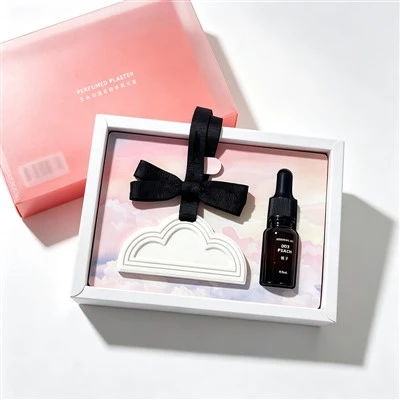
Wondering where to get high-quality, tested aroma stones without the weird chemicals? Shoot over to us—we’re always here to chat, answer questions, and help you pick the right stones for your space, whether you’re buying a handful for your home or a bulk order for your business. No pressure, just real talk about what works and what doesn’t.
Jar Candle References:
- U.S. Environmental Protection Agency. Volatile Organic Compounds (VOCs) in Indoor Air: Impacts and Mitigation. 2022.
- American College of Allergy, Asthma & Immunology. Essential Oil Safety for Sensitive Individuals. 2021.
- International Journal of Dermatology. Contact Dermatitis from Essential Oils in Natural Stone Diffusers. 2020.
- National Institute for Occupational Safety and Health. Silica Allergies and Respiratory Risks from Natural Stone Products. 2019.
- Journal of Environmental Health. Safety Testing of Porous Diffuser Stones for Consumer Use. 2023.
Qingdao Toparoma Home Products Co., Ltd.
As one of the most professional aroma stones manufacturers and suppliers in China, we have world-leading production equipment and strong manufacturing capabilities. Please rest assured to buy bulk high quality aroma stones at competitive price from our factory. We also accept customized orders.
Address: Room 302, Unit 1, Building No.17, Zhengding 4th Road, Licang District, Qingdao, China
E-mail: sharon@qdtoparoma.com
WebSite: https://www.toparomacandle.com/
