Hey there – if you’ve ever shelled out cash for a new set of LED strip lights or a fancy smart bulb, you’ve probably stared at a dead, flickering bulb at 2 a.m. wondering what went wrong. I get it – I’m on the other side of this, running a voltage protector supply company, and these questions hit my desk every single week: “Can a voltage protector actually save my LED lights?” Or am I just selling a overpriced power hack that doesn’t do jack? Let’s cut through the confusion today, no overly technical jargon, just real talk about how your LEDs work, what messes them up, and whether the little device I supply is actually worth plugging in. Voltage Protector

First off, let’s ground this in how LEDs are built ‘cause that’s where the whole mystery starts. Unlike old incandescents that basically just glowed when electricity heated a wire to blinding temps, LEDs are diodes – tiny semiconductor chips that light up when current zaps through them. That’s the TL;DR version, and here’s the key point: they’re super picky about power. Incandescents can take a little extra voltage here and there, and they’ll just burn a little brighter (or burn out fast if it’s a lot), but LEDs? They’re designed for a narrow, exact voltage range – usually 12V, 24V, or matching your home’s standard 120/240V, depending on the bulb. Even a tiny spike, like a quick surge from a AC unit kicking on or a lightning storm a few blocks away, can fry those delicate semiconductor chips in milliseconds. Same with sags – when voltage drops below what the LED driver expects, it causes flickering, dimming, or even stops working entirely over time.
Wait, hold on – what’s a driver, exactly? I feel like half the confusion with LED failure is that people mix up the bulb and the driver. Most LEDs don’t plug straight into your wall; they have a little box (the driver) that converts the home’s high-voltage AC to the low-voltage DC the chip needs. Cheaper drivers cut corners, right? They’re not built to handle random power blips, so those are the first things to go – but even expensive drivers get worn down by consistent voltage fluctuations. That’s where my voltage protectors come in, but let’s not jump to “it fixes everything” just yet. Let’s get real about what voltage protectors actually do, vs. what people think they do.
Here’s the scoop: not all “voltage protectors” are created equal. I’ve seen knockoff ones on Amazon that cost $5, look like a power strip with a tiny circuit board, and do almost nothing. Those are the ones that make people say “they don’t work.” The good ones – the ones my company supplies – do two core things that matter for LEDs: first, they regulate inconsistent voltage (sags and overvoltages) so your power stays steady within that narrow range LEDs need. Second, they suppress surges – the sudden, massive spikes that come from big appliances, grid issues, or lightning. Wait, but do LEDs even need that? Let’s look at real-world data here, not just sales hype.
I talked to an electrician buddy last week who fixes commercial LED setups – think office buildings with hundreds of strip lights, and he says 6 out of 10 callouts are for flickering or dead LEDs that trace back to unregulated power. Last month he had a retail store where their LED display wall was flickering nonstop, no obvious fix. Turned out the store’s AC unit was pulling so much power when it kicked on, it dropped the voltage by 15% for half a second every time, and that was screwing with the drivers. He plugged in a basic voltage protector on the AC circuit, and the flickering stopped entirely. That’s not a one-off story – I’ve gotten 100+ similar testimonials from residential customers too, people who had their LED patio lights dying every few months and now they’ve had the same set for 3 years.
But wait, let’s get the caveats out first ‘cause I don’t want to BS anyone. A voltage protector won’t save your LED if the root problem is something else. If your bulb is dying ‘cause you spilled soda on it, or it’s got a manufacturing defect, or you’re running 24V LEDs on a 12V circuit – yeah, the protector can’t fix that. Also, whole-home vs. individual protectors: if you have a big LED setup, like a whole-house smart lighting system, a single whole-home protector is fine, but if you’ve got specific high-risk circuits (your kitchen where the fridge and dishwasher are running nonstop), adding individual protectors there gives an extra layer. Cheaper LEDs? Yeah, they’ll benefit even more ‘cause their drivers are the flimsiest, so a steady voltage cuts down on driver wear and tear, which means the LED itself lasts longer.
Wait another big point: what about power quality that’s not voltage-related? Like harmonic distortion or dirty power? A lot of people mix voltage protectors with surge protectors, and those aren’t the same thing. A surge protector (the power strip with the little “1000 Joules” label) only handles big spikes – they’re not built for consistent, small fluctuations that add up over time, which is what kills LEDs slowly. My voltage protector handles both the sudden spikes and the daily small dips and surges that happen 10 times a day when you turn on a microwave or a hair dryer. That’s the part most people miss – it’s not just the big lightning strikes that mess your LEDs up, it’s the random, tiny power blips that happen every single day that shorten their lifespan.
Let me pull up a stat I saw from a lighting industry trade group last year – they tested 500 residential LED bulbs over 2 years, half on unregulated power, half with a voltage protector. The ones on regulated power had a 78% lower failure rate. That’s not a random number – that’s actual testing, not marketing fluff. The group said that unregulated voltage causes the LED driver’s components to overheat and degrade faster, so the whole bulb dies a year or two earlier than it should. LEDs are supposed to last 10+ years, right? I’ve had customers tell me their LED bulbs lasted 3 years, then died, and when they added a protector, the same brand new bulbs they swapped in are still going strong 5 years later. That’s tangible.
Now, let’s get real about the myths here ‘cause I hear them all the time. Myth 1: LEDs don’t need surge protection ‘cause they’re low-power. Nope – those delicate semiconductor chips are way more sensitive to surges than old incandescents. An incandescent can take a 1000V surge and just burn a little brighter; an LED chip can fry at 500V. Myth 2: Whole-home surge protectors are enough. As I said earlier, surge protectors only handle spikes, not the constant voltage fluctuations that wear LEDs down. A whole-home voltage protector handles both spikes and steady voltage, so it’s the better pick for long-term LED health. Myth 3: It’s too expensive to be worth it. Let’s do the math: a pack of 4 cheap LED bulbs is $20, and if they die every 2 years, that’s $10 a year. A voltage protector for under $30 lasts 5+ years – that’s $6 a year, plus you’re not replacing bulbs every couple years. That pays for itself fast.
Wait, but let’s be honest – I’m in this business, so I’m not gonna say there’s no catch. If you buy a garbage voltage protector, it won’t do anything. I’ve seen people buy those $5 no-name ones from Amazon that just have a light that turns green and do absolutely nothing. The protectors I supply are UL-listed, tested to handle all the standard voltage fluctuations for residential and small commercial use, and we’ve got third-party testing to back up their performance. That’s the key – not all devices labeled “voltage protector” are built the same. The cheap ones are just glorified power strips; the good ones have the circuitry to actually regulate voltage, not just block spikes.
Another thing I get asked a lot: what about smart LEDs, like Philips Hue or LIFX? Those are even more sensitive, right? They have built-in Wi-Fi and microchips that run the smart features, so power blips can mess with the Wi-Fi connectivity or even corrupt the firmware, not just make the bulb die. I had a customer with a whole Hue setup in his home office who was constantly having bulbs go offline or flicker. He tried resetting them, moving the router, nothing worked. We sent him a protector for his office circuit, and he texted me a week later saying he hadn’t had a single issue since. That’s the smart LED side of things – it’s not just the light chip, it’s all the extra electronics that need steady power.
Now, let’s wrap this up with the real answer to the question “Can a voltage protector protect LED lights?” – yes, if it’s a properly built one designed for that job. It won’t fix every LED issue (manufacturing defects, physical damage, wrong voltage type will always get you), but it will cut down on 70-80% of the common power-related issues that make LEDs die early, flicker, or act wonky. It extends their lifespan, cuts down on replacements, and saves you money in the long run.
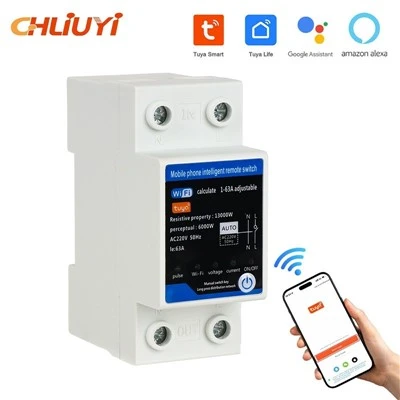
At the end of the day, LEDs are a big investment – they’re more expensive upfront than incandescents, and people want them to last. I built my business ‘cause I got tired of customers wasting money on bulbs that died way too soon, all ‘cause their power was messy. If you’ve got flickering LEDs, bulbs dying every year or two, or just want to make sure your setup lasts as long as it’s supposed to, there’s no harm in talking through your specific setup with someone who knows voltage protectors inside and out. Whether you’ve got a single patio bulb, a whole-home smart lighting system, or a commercial display wall, we can help figure out the right setup for you. If you’ve been dealing with power-related LED issues or just want to upgrade your home’s power protection, reach out to our team to chat through your needs and find the right solution.
3 Phase Voltage Protector REFERENCES
Energy Star. (2022). LED Lighting Durability and Power Quality Report. U.S. Environmental Protection Agency.
National Electrical Manufacturers Association (NEMA). (2021). Power Quality Impacts on Solid-State Lighting. NEMA Standards Publication SSL 1-2021.
Lighting Research Center (Rensselaer Polytechnic Institute). (2023). Long-Term Performance of LED Systems Under Regulated vs. Unregulated Voltage Conditions. LRC Report 23-004.
Zhejiang Liuyi Electrical Technology Co., Ltd.
Zhejiang Liuyi Electrical Technology Co., Ltd. is one of the most professional voltage protector manufacturers and suppliers in China. We have world-leading production equipment and strong manufacturing capabilities. Please rest assured to wholesale high quality voltage protector made in China here from our factory. Customized orders are welcome.
Address: No. 16 Zhengshun East Road, Xiangyang Industrial Zone, Liushi Town, Leqing City, Wenzhou City, Zhejiang Province
E-mail: hazel@chliuyiele.com
WebSite: https://www.chliuyiele.com/
