Hey there, Maltodextrin
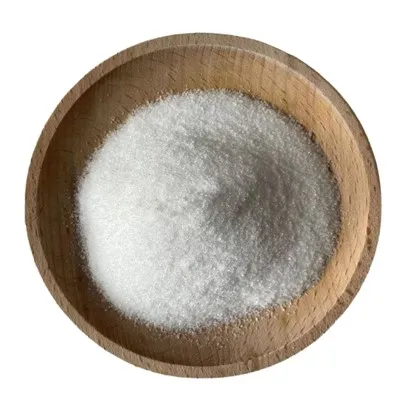
If you’ve ever hung around a grocery store snack aisle, scrolled through a sports nutrition TikTok, or stared at a random ingredient list on a protein shake at 2 a.m., you’ve probably spotted “maltodextrin” somewhere. And if you’re here because you’re like, “Wait, what even is this? And which drinks actually have it?”—you’re not alone. I’m Jake, part of the team at our maltodextrin supply company (no fancy corporate jargon here), and I get asked this question every single week by gym bros, coffee snobs, mom bloggers, and even my cousin who swears he cut out “weird additives” but still loves his pre-workout.
Let’s start with the basics, keep it real—no stuffy lab lectures. Maltodextrin is a super versatile carb powder we make by breaking down starch (usually from corn, rice, or potatoes) with enzymes. It’s not magic, but it’s kind of a workhorse for food and drinks because it’s super soluble, tastes neutral (no weird chalky aftertaste, mostly), and gives drinks that smooth, consistent texture without being heavy. Think of it like the quiet sidekick: it doesn’t steal the show, but it makes everything else taste better and work right.
Now, onto the main event: what drinks actually have this stuff? And trust me, it’s way more than just pre-workout. Let’s break this down by category so it’s easy to follow, and I’ll throw in why each brand uses it, because that’s what actually matters.
First up, the big one—sports nutrition drinks. Pre-workouts, intra-workout drinks, post-workout recovery shakes—this is where you’ll find maltodextrin more often than not. Why? Because your body absorbs maltodextrin fast. When you’re grinding it out at the gym or on a long run, you need quick energy, and maltodextrin gives you that without the spike and crash you get from straight sugar. I’ve talked to a few sports nutrition brands that say they swap out other carbs for maltodextrin specifically because it doesn’t leave a gritty residue at the bottom of the shaker, which is a non-negotiable for anyone who’s had to scrape gunk out of a protein bottle. Even a lot of mid-tier protein shakes (the kind you grab from a gas station after practice) use a tiny bit of maltodextrin to make the protein and flavor mix evenly, so you don’t take a sip and get a chunk of vanilla powder in your mouth.
Next, energy drinks and sodas. Wait, hold on—before you side-eye me, yes, some energy drinks use maltodextrin, not just straight high-fructose corn syrup. Why? Again, texture and consistency. Energy drinks need to stay evenly mixed, not have the sugar sink to the bottom. And maltodextrin is great for that without making the drink too sweet. A lot of “low-sugar” energy drinks actually use a mix of maltodextrin and artificial sweeteners—maltodextrin adds the subtle bulk that makes the drink feel like a “real” soda, instead of a watery chemical mess. Even some regular sodas use a small amount, mostly as a stabilizer. I once had a soda brand client tell me they cut back on sugar, so they added a touch of maltodextrin to keep the carbonation stable and the flavor balanced, instead of ramping up on weird sugar substitutes.
Then there’s coffee and tea drinks—yes, even the fancy lattes and bottled iced tea. If you’ve ever grabbed a bottled vanilla latte from the grocery store or a ready-to-drink iced matcha, there’s a good chance maltodextrin is in there. Why? Because it helps the flavorings (vanilla syrup, matcha powder, even chocolate) dissolve completely. If you’ve ever made a homemade iced matcha and had a powdery layer at the bottom, that’s what maltodextrin fixes. It’s also used in a lot of specialty coffee syrups that you buy in stores, too—mixes for lattes or cappuccinos that just need hot water, so they don’t separate. I know a few independent coffee shops that use small batches of maltodextrin for their bulk syrup mixes, actually, because it’s cheaper than using more real sugar and works just as well.
Don’t sleep on kids’ drinks, either. Those fruit-flavored juice boxes, the vitamin water knock-offs, even the creamy chocolate milk you find at the grocery store. Maltodextrin is in a lot of these to keep the fruit pulp or vitamin powder suspended, so you don’t get all the good stuff at the bottom. And for parents, that’s a big deal—you don’t want your kid chugging 90% sugar water and getting a sip of nothing at the end. A lot of these drinks use maltodextrin because it’s easily digestible for little ones, too, which is a plus for the brands. I remember my niece used to refuse juice boxes that “didn’t taste right,” and the label said maltodextrin—turns out, it just made the flavor more consistent, not sweeter.
Wait, what about plant-based drinks? Almond milk, oat milk, soy milk, even the fancy coconut water drinks. A lot of the shelf-stable versions (not the refrigerated ones from the dairy case) have maltodextrin. Why? Because plant-based milks can get watery when they’re processed, so maltodextrin adds a little thickness and makes the flavor more creamy, like real dairy. It’s also a stabilizer—so when you pour a glass of oat milk, you don’t get a layer of starch at the top or bottom. I’ve worked with a few small oat milk brands, and they said they use maltodextrin instead of guar gum sometimes because it tastes less “weird” and doesn’t leave a lingering aftertaste in your coffee.
Now, let’s get real for a second—why do brands use maltodextrin instead of other things? Like, why not just use sugar or corn syrup? Well, it’s cheaper for brands, it gives consistent texture, it’s versatile, and it doesn’t mess with other ingredients (like protein or vitamins) in the drink. Also, because it’s broken down from starch, it’s gluten-free most of the time—wait, important to note: we source our starch from non-gluten grains, so our maltodextrin is certified gluten-free, which is a big deal for brands catering to people with celiac or gluten sensitivities. A lot of gluten-free sports drinks and gluten-free iced teas use our product specifically for that reason.
But let’s bust a myth, too—maltodextrin isn’t just for “processed” drinks. I know a guy who runs a small batch cold brew company, and he adds a tiny bit of maltodextrin to his nitrogen-infused cold brew cans to keep the foam consistent when you open it. He says it’s not even noticeable in the taste, but it makes the can look and feel like the fancy nitro cold brew you get at a coffee shop, not a flat, generic can. So it’s not just big corporate brands—smaller artisanal companies use it too, because it’s a simple way to make their product better.
Now, if you’re a consumer trying to spot maltodextrin in drinks, don’t worry— it’s easy to find on ingredient labels. It’s usually listed near the top or middle, since it’s a common additive. And before you panic, let me just say: maltodextrin is GRAS (Generally Recognized As Safe) by the FDA, and it’s used in billions of food and drink products every day. It’s not a weird “chemical” or anything—its molecular structure is just small enough that your body turns it into glucose fast, which is why it’s popular for energy. If you’re cutting out added sugars, it’s important to note that maltodextrin is a carb, so it counts towards your daily carb intake, same as any other carb. But if you’re just looking for a smooth, consistent drink, it’s not something to avoid unless you have a specific reason (like a medical condition that requires you to limit fast-digesting carbs).
Speaking of medical conditions, let’s touch on that too—some people with diabetes have to monitor their intake of fast-acting carbs like maltodextrin, because it can raise blood sugar quickly. That’s why a lot of low-sugar or sugar-free drinks use a mix of maltodextrin and sugar alcohols or artificial sweeteners— the maltodextrin adds the texture, and the sweeteners keep the sugar content low. But that’s a conversation for another day, because I’m not a dietitian, just a guy who works with this stuff every day.
Now, if you’re someone who’s in the drink business—whether you’re a small batch cold brew brand, a sports nutrition company, a juice box maker, or even a specialty soda line—let’s talk. We’re a maltodextrin supplier that works with all kinds of brands, from local start-ups to national retailers, and we can tailor our product to fit your needs. Whether you need a fine powder for pre-workout drinks, a slightly thicker version for plant-based milks, or a gluten-free option for your cross-country team’s hydration packs, we’ve got you covered. We don’t do generic, one-size-fits-all stuff—we work with you to make sure the maltodextrin you use in your drinks is exactly what you need for texture, taste, and consistency.
If you’re interested in chatting more about how maltodextrin can improve your drink product, or if you just have questions about anything we talked about (like sourcing, certifications, or pricing), reach out to our team to connect for a procurement discussion. No sales pitches, no long contracts, just real talk about what works for your brand.
At the end of the day, maltodextrin is one of those ingredients that’s easy to overlook, but it’s the reason a lot of the drinks you love taste good and work well. It’s not flashy, but it’s a workhorse—and that’s exactly why we’re proud to supply it to brands that care about making great drinks, just like we do.
Thanks for reading, and feel free to reach out if you want to learn more.
Maltodextrin References
- U.S. Food and Drug Administration. (2024). GRAS Notice Inventory: Maltodextrin.
- Institute of Medicine. (2005). Dietary Reference Intakes for Energy, Carbohydrate, Fiber, Fat, Fatty Acids, Cholesterol, Protein, and Amino Acids.
- International Food Information Council Foundation. (2023). Food Additives in the Modern Diet: Consumer Perceptions and Use Cases.
- Sports Nutrition Journal. (2022). Carbohydrate sources for endurance exercise: Absorption rates and performance outcomes.
- Journal of Food Science. (2021). Stabilizing effects of maltodextrin in plant-based dairy alternatives.
Fudijia (Tianjin) Supply Chain Co., Ltd.
With abundant experience, we re one of the most professional maltodextrin manufacturers and suppliers in China. We warmly welcome you to wholesale bulk high quality maltodextrin made in China here from our factory. For more information, contact us now.
Address: Room 1602, MSD-G1, TEDA , Binhai New Area, Tianjin, China, 300457
E-mail: foodchem@hjlfoods.com
WebSite: https://www.ifoodchem.com/
