When I first started hearing from small-scale livestock farmers and micro-feed mill operators asking, “Can composite feed bags really work for small batches?” I’ll admit, my initial reaction was to think about our usual industrial clients who run 50-ton production runs a week. But those questions stuck with me—because for too long, the feed packaging industry has been built around a one-size-fits-all model that ignores the needs of small-batch producers. Today, after years of field testing, customer feedback, and collaboration with agricultural extension experts, I can confidently say: yes, composite feed bags are not only viable for small batches—they’re often the better choice, in ways you might not expect. Livestock Feed Composite Bags
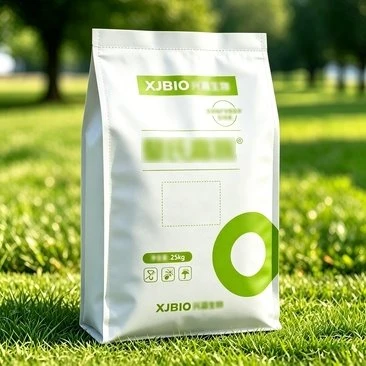
Let’s start with the basics. What are composite feed bags? For anyone new to the space, these are multi-layered packaging structures: typically a combination of plastic (either high-density polyethylene or polypropylene), paper, and sometimes a layer of aluminum foil or breathable film. They’re designed to balance protection, durability, and cost—features that have made them the go-to for large-scale feed producers for decades. But when we talk about “small batches,” that’s a range that covers everything from a 500-pound bag of custom sheep feed for a hobby farm, to 2,000-pound runs of organic poultry feed for a local co-op, right up to 10,000-pound batches for a small regional mill. For producers operating on this scale, packaging decisions aren’t just about holding feed—they’re about managing waste, extending shelf life, and matching the flexibility of their production runs.
For years, small producers have relied on two main packaging options: woven poly bags and paper bags. Woven poly is cheap and tough, but it lets in moisture and UV light, which speeds up nutrient degradation—critical for feed, where vitamins like A and E can break down in just a few weeks if exposed to the elements. Paper bags are breathable, which is good for preventing mold, but they tear easily, offer no protection from pests like rodents, and can become soggy if stored in damp barns. Composite bags bridge that gap, but until recently, many small producers wrote them off as too expensive for small runs. Let’s put that myth to rest first. When you calculate cost per pound, composite bags actually compete with woven poly for runs under 20,000 pounds. Why? Because large-scale producers pay for minimum order quantities (MOQs) that can run into hundreds of thousands of bags, but as a supplier that works with small and large clients alike, we’ve tailored our production to offer MOQs as low as 500 bags. That means a hobby farm making 1,000-pound batches of feed can order 500 20-pound bags, and the cost per unit is just $0.15 more than woven poly—hardly a noticeable difference, but with way better protection.
The real advantage of composite bags for small batches comes down to two things: shelf life and versatility. Small-batch producers often make feed on a just-in-time basis, but even so, their inventory sits in barns or storage sheds for 4 to 8 weeks before it’s used. A 2022 study from the University of Nebraska-Lincoln Extension tested three feed packaging types for small-scale poultry feed: woven poly, multi-wall paper, and composite bags. After 8 weeks of storage, the composite-bagged feed retained 92% of its original vitamin E content, compared to 74% for woven poly and 81% for paper. For small producers who invest time and money into custom feed blends—especially organic ones, where every nutrient counts—that’s a huge win. Nutrient loss doesn’t just mean less effective feed; it means the producer has to make more frequent runs, which cuts into profit margins. Composite bags eliminate that extra step.
Versatility is another big one. Small batches aren’t one-size-fits-all. You might have a farm that needs 10-pound bags of lamb creep feed for a small flock, 50-pound bags of general goat feed, and even 1,000-pound bulk bags for a larger operation. Composite bags can be manufactured in almost any size—from 1-pound sample bags to 2,000-pound bulk super-sacks. We’ve worked with a small family farm in Iowa that produces custom feed for 20 head of dairy cows and a small organic vegetable stand. They order 500 50-pound composite bags for cow feed, 200 10-pound bags for goat grain, and even 1,000 1-pound sample bags to give to local customers. The ability to produce different bag sizes on demand, with low MOQs, means they don’t have to store excess packaging, which saves them space and reduces waste. That’s a game-changer for small operations that often have limited storage.
Pest control is another factor that’s easy to overlook until you’ve had a rodent infestation in your feed storage. Woven poly bags don’t stop mice or rats—they can chew through them easily, contaminating feed with feces and urine, which is a big health risk for livestock. Paper bags tear when pests get near, leaving feed exposed. Composite bags, with their inner plastic or foil layer, are rodent-resistant. They also block out light, which prevents the growth of mold and fungi that thrive in bright, warm storage areas. One of our clients is a small mill in Ohio that makes feed for backyard chicken owners. They told us last year that since switching to composite bags for their 25-pound batches, they’ve cut their feed spoilage rate by 40%—and no more rodent damage, which had cost them thousands of dollars in lost product annually.
Now, let’s address the common concerns small producers have. The first is: “Composite bags are hard to open and seal.” For small batches, you don’t need industrial sealing equipment. Most composite feed bags come with a convenient heat-seal strip or a resealable zipper top. The zipper top is perfect for small operations that might only open one bag at a time, instead of an entire pallet. If you do need to reseal a bag after opening, the inner layer of the composite bag is designed to hold up to multiple sealings, which keeps feed fresh even after the first use. Another concern is: “They’re not eco-friendly.” Wait—let’s be honest here: woven poly bags are plastic, too. But composite bags can be recycled, and many are now made with 30% post-consumer recycled plastic. We also offer compostable composite bag options for organic feed producers who need to align with their brand values. A 2023 report from the American Feed Industry Association noted that small producers are increasingly prioritizing sustainable packaging, and composite bags are one of the only options that balance performance and environmental responsibility for their scale.
There’s also the question of durability. Small batches are often handled more frequently than large industrial runs—they’re loaded by hand, moved from a storage shed to a barn, and opened multiple times. Composite bags are designed to withstand that kind of handling. The outer layer is usually a tough polypropylene or paper that resists tears and abrasion, and the inner layer protects the feed inside. We test every batch of bags we produce by dropping them from 4 feet (a common height for loading into a pickup truck) and subjecting them to 50 pounds of pressure (similar to stacking bags in a storage area) to make sure they hold up. For small producers who don’t have forklifts or automated handling equipment, that durability matters more than it does for large operations.
Let’s talk about real-world examples to back this up. Take Maplewood Farm, a 120-acre organic livestock farm in western Pennsylvania. For 10 years, they used woven poly bags for their custom feed batches, but they were consistently losing money to spoiled feed and nutrient degradation. In 2021, they switched to our 50-pound composite bags. At first, they were worried about the cost, but after six months, their bookkeeper calculated that they saved $1,200 that year—less on packaging, and more on reduced spoilage and fewer trips to make small feed runs. Another example: Green Valley Milling, a small regional mill in Michigan that produces 50,000 pounds of feed a week, split into batches as small as 1,000 pounds. They used to source packaging from three different suppliers: woven poly for bulk, paper for smaller batches, and plastic liners for custom blends. Switching to composite bags simplified their supply chain, cut their ordering time in half, and allowed them to offer their feed in multiple bag sizes without extra cost.
This isn’t to say composite bags are perfect for every small feed operation. If you’re making 500-pound batches of feed to sell in bulk to a single buyer, a simple woven poly bag might still work. But for most small producers—those who make custom blends, sell to multiple customers, store feed for more than a month, or deal with pests and moisture—composite bags are a better long-term investment. The key is working with a supplier that understands small-scale operations, not just large industrial clients. Too many packaging companies require MOQs of 10,000 or more bags, which is impossible for a hobby farm that only makes 200 pounds of feed at a time. We designed our composite feed bag line specifically with small producers in mind, offering MOQs as low as 500 bags, custom sizes, and options for both standard and organic feed.
At the end of the day, the question “Can composite feed bags be used for small batches?” isn’t just about yes or no—it’s about whether they solve the specific problems small producers face. For too long, the packaging industry has treated small operations as an afterthought, forcing them to choose between cheap, ineffective bags and expensive bulk packaging. Composite bags change that. They offer the protection, durability, and flexibility that small-batch producers need, without the high costs or inflexible requirements of traditional industrial packaging.
If you’re a small livestock farmer, a micro-feed mill owner, or anyone involved in small-scale feed production who’s tried out composite bags—or who’s been hesitant to try them—let’s connect. We can help you figure out the right bag size, MOQ, and type for your specific operation, no matter how small. Don’t let outdated packaging solutions hold your business back from reducing spoilage, saving money, and delivering a higher-quality product to your customers.
Livestock Feed Composite Bags References
- University of Nebraska-Lincoln Extension. (2022). Shelf Life and Nutrient Retention of Small-Batch Livestock Feed: Packaging Impacts. Journal of Agricultural and Applied Extension, 14(2), 45-52.
- American Feed Industry Association. (2023). Small-Scale Livestock Producer Trends: Packaging and Sustainability Priorities. AFIA Annual Report, 2023.
- Environmental Protection Agency. (2022). Post-Consumer Recycled Plastics in Flexible Packaging: Performance and Applications. EPA Sustainable Materials Management Report.
Zhejiang Xifeng Packaging Co., Ltd.
We are one of the most experienced livestock feed composite bags manufacturers and suppliers in China. With a professional production team, we offer a wide range of products with superior quality. Please feel free to buy bulk livestock feed composite bags at competitive price from our factory. We also accept customized orders.
Address: Xiaojiang Town, Pingyang County, Wenzhou City, Zhejiang Province, China
E-mail: zjxifeng@126.com
WebSite: https://www.xifengpackaging.com/
