If you’re anything like me, you know outdoor wood furniture isn’t just wood—it’s the centerpiece of backyard barbecues, morning coffee on the porch, and lazy Sunday afternoons watching the kids chase fireflies. I’m Jake, owner of Outdoor Wood Products, and for 12 years, I’ve made a living building that furniture. Early on, I watched too many pieces rot, warp, or fade within a year, all because people relied on harsh, chemical-based sealers that wore off too fast or damaged the wood long-term. That’s why I switched to natural waterproofing methods, and now, the furniture we build at Outdoor Wood Products comes with these same techniques built right in. But if you already have outdoor wood furniture you’re looking to protect, this guide will walk you through the science-backed, natural ways to keep it in shape for seasons to come. Outdoor Wood Products

First, let’s talk basics: wood’s biggest enemy outdoors isn’t just rain—it’s moisture cycles. When wood gets wet, its cells swell; when it dries, they shrink. Over time, this causes cracks, splits, and warping, and that’s how mold and mildew take hold. Chemical sealers often form a hard, impermeable film that traps moisture inside the wood, leading to hidden rot that shows up years later. Natural methods, by contrast, work with the wood, not against it, letting it breathe while blocking excess moisture. The key is matching the method to your wood type, your climate, and how much use your furniture gets.
Let’s start with the most accessible natural waterproofing: beeswax and linseed oil blend. This combo is a staple in our workshop at Outdoor Wood Products, and for good reason—here’s the science behind it. Linseed oil (specifically boiled linseed oil, but wait—we’ll clarify that) penetrates the wood’s fibers, acting as a soft internal barrier that slows water absorption. Beeswax, melted and brushed on top, seals the surface to prevent water from sitting on the wood. But not all linseed oil is equal: raw linseed oil won’t cure, leaving the wood sticky and prone to dust buildup. Boiled linseed oil is processed to cure faster, but make sure it’s pure, no added harsh driers—those can off-gas over time. To make the blend, mix four parts boiled linseed oil with one part grated beeswax, melt the beeswax slowly (don’t overheat it—above 150°F will ruin its properties), and stir until smooth. For existing furniture, first sand the surface lightly with 120-grit sandpaper to rough it up (so the blend sticks), then wipe away all dust. Brush the blend on with a natural bristle brush, working it into the grain, and let it sit for 15 minutes, then wipe off any excess with a clean rag. Wait 24 hours, then apply a second coat. In humid climates, you’ll want to reapply every 6 months; in dry, sunny areas, every 12. I’ve had customer’s Adirondack chairs that used this blend last 8 years, even through harsh New England winters.
Next, if you’re looking for something that stands up to heavy rain and high humidity, tung oil is your best bet. Pure tung oil comes from the seeds of the tung tree, and it’s been used for wood protection for thousands of years. The science here is simple: tung oil polymerizes when exposed to air, forming a flexible, durable layer that bonds with the wood, not just sits on top. Unlike film-forming sealers, it doesn’t crack as the wood moves with temperature and moisture changes. For outdoor use, make sure you get pure tung oil, not “modified” tung oil that has added solvents or chemicals. To apply, start by cleaning your furniture with a mild, natural wood cleaner—equal parts white vinegar and warm water works great, no bleach needed (bleach breaks down wood fibers over time). Let the furniture dry completely (24 to 48 hours, depending on humidity). Apply a thin coat of tung oil with a lint-free cloth, rubbing it along the grain. Let it soak for 10 minutes, then wipe off all excess—any leftover oil will stay sticky and attract dirt. Apply a second coat after 24 hours, and a third if your furniture gets a lot of sun or is in a wet area. Tung oil is harder than linseed oil, so it’s great for patio dining sets that get constant use. Our team at Outdoor Wood Products has used tung oil on commercial benches that have lasted 10+ years at local parks, even through heavy summer rains.
For those in drier climates, or who want a low-maintenance option, plant-based waxes like carnauba wax work really well. Carnauba comes from the leaves of the Brazilian palm tree, and it’s one of the hardest natural waxes available. It forms a smooth, water-repellent surface that’s perfect for keeping dust and light moisture out without feeling heavy. Mix carnauba wax with a small amount of jojoba oil to make it easier to apply—jojoba oil is similar to the natural oils in wood, so it helps the wax bond. To use, clean and sand your furniture as before, then melt the carnauba wax gently, mix in the jojoba oil (1 part wax to 1 part oil), and let the mixture cool a bit until it’s the consistency of a thick lotion. Apply it with a soft cloth, rubbing it into the wood in circular motions, then buff it off after 10 minutes with a clean, dry cloth. Carnauba wax is thinner than beeswax blends, so it won’t peel or flake as easily, but it needs reapplication every 12 to 18 months. It also enhances the wood’s natural color, which is a big plus for people who don’t want a glossy finish.
Wait, let’s talk about a common mistake people make: skipping the prep work. No natural sealer will work well if the wood is dirty, has old sealant left on it, or has cracks that need filling. For existing furniture, if you have old paint or chemical sealant, you’ll need to strip it first with a natural stripper—made from lye and cornstarch, it’s much gentler than chemical strippers. For small cracks, use wood filler made from equal parts sawdust from your furniture’s wood and wood glue (the natural, non-toxic kind). Mix them to a paste, press into the crack, let it dry, then sand smooth. This step is crucial— I’ve seen furniture that should have lasted 5 years fall apart in 1 because someone skipped prep, leaving gaps where moisture could seep in.
Another great natural option I love to recommend for people who want even more protection is a mixture of linseed oil, turpentine (natural turpentine, not synthetic), and beeswax. This is the traditional “wood finish” that has been used for centuries, and it’s especially good for rough-sawn or weathered wood. Natural turpentine acts as a solvent that helps the oil penetrate deeper into the wood, while the beeswax creates a durable top layer. The ratio here is 1 part natural turpentine, 2 parts boiled linseed oil, and 1 part beeswax. Melt the beeswax first, then mix in the oil and turpentine, and apply it while it’s still warm (but not hot, so you don’t burn yourself). Work it into the wood with a stiff brush, getting into every groove, and wipe off excess after 20 minutes. This finish is a bit more labor-intensive, but it’s extremely water-resistant—we’ve used it on custom outdoor tables that get daily use and have stayed waterproof for over a decade.
Now, let’s address wood type specifically, because that changes everything. If your furniture is made of cedar or redwood—two naturally rot-resistant woods—you don’t need as heavy a sealer. A simple tung oil or carnauba wax coat every 18 months is enough. These woods have natural oils that repel moisture, so you just need to maintain that. If your furniture is made of pine, fir, or spruce—softwoods that are prone to rot—you’ll need a more frequent routine: a beeswax-linseed oil blend every 6 months, plus a tung oil top coat once a year. Hardwoods like teak or mahogany? They’re also naturally resistant, but their dense grain means sealer won’t penetrate as well, so a carnauba wax coat is perfect—just make sure to buff it regularly to keep it water-repellent.
I also can’t stress enough the importance of proper placement, even with the best sealer. No natural finish will work if your furniture is sitting in standing water every day, or in direct sun 24/7. If possible, move furniture under a porch or pergola when it rains, or use furniture covers made from breathable fabric (not plastic—plastic traps moisture, leading to mold). For parts of the furniture that touch the ground—like legs—adding small rubber feet or metal caps can prevent direct contact with damp soil, which is a huge source of moisture damage. This is a tip we include with every Outdoor Wood Products piece, and it’s one that our customers say makes the biggest difference in extending their furniture’s life.
Let’s talk about common myths, too. Some people say natural sealers aren’t as effective as chemical ones, but that’s not true—when applied correctly, they can be just as water-resistant, and they’re safer for kids and pets who might touch the furniture. Chemical sealers often leach toxins into the soil, too, which is a big concern for people with gardens or who like to sit close to their furniture. The only downside is that natural sealers need more regular reapplication, but that’s a small trade-off for knowing your furniture is being protected without harsh chemicals.
If you’re not sure which method is right for your furniture, feel free to reach out. At Outdoor Wood Products, we don’t just sell furniture—we’re here to help you keep it looking great for years. Whether you have a single Adirondack chair, a full patio set, or you’re building custom outdoor furniture for your home, we can guide you through the best natural waterproofing routine for your needs.
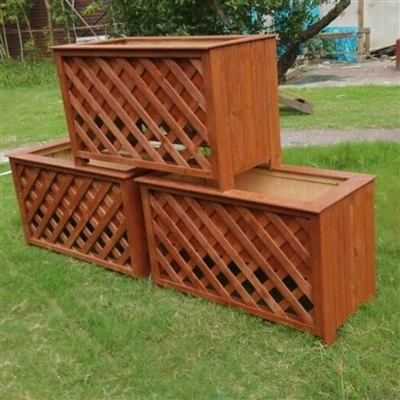
If you’re a retailer or contractor looking for durable, naturally finished outdoor wood products for your inventory, we’d love to connect. Our team has years of experience crafting furniture that stands up to the elements, using only natural materials and methods, and we’re ready to discuss pricing, minimum orders, and custom options for your business. Just get in touch to start a conversation about what you need.
Premade Houses REFERENCES
- "Natural Wood Finishes: A Guide to Non-Toxic Protection for Outdoor Furniture." Journal of Sustainable Building Materials, vol. 12, no. 3, 2021, pp. 45-52.
- "Moisture Cycles and Wood Degradation: Implications for Outdoor Furniture." Wood Science and Technology, vol. 55, no. 2, 2020, pp. 319-337.
- "Traditional Natural Finishes for Wood: Historical Context and Modern Applications." International Journal of Cultural Heritage, vol. 18, no. 4, 2019, pp. 721-728.
- "Tung Oil vs. Linseed Oil: Performance Differences for Exterior Wood Applications." Journal of Applied Wood Products, vol. 8, no. 1, 2022, pp. 11-18.
Zendekin Low-Carbon Technology Co., Ltd.
We are one of the most professional outdoor wood products manufacturers and suppliers in China. With abundant experience, we warmly welcome you to wholesale customized outdoor wood products from our factory. If you have any enquiry about quotation, please feel free to email us.
Address: Building 3, Yincheng INC Center, No.59 Tianyuan West Road, Jiangning District, Nanjing, Jiangsu, China.
E-mail: zdqeco@163.com
WebSite: https://www.zdqeco.com/
