If you’ve ever stared at a tile display at a hardware store, you’ve probably wondered why some porcelain tiles have that shiny, glassy finish and others look more, well, regular. I’m a glazed porcelain tile supplier, and honestly, this is the question I get at least once a day from homeowners, contractors, and even interior designers who just want to get their tiling project right. Let me break this down without all the jargon, because I know most of you don’t care about ceramic chemistry—you care about durability, looks, and whether your new tiles will hold up to a kid spilling soda or a muddy dog track. Glazed Porcelain Tiles
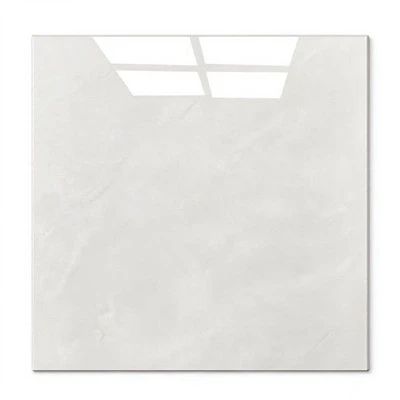
First off, let’s start with the basics: what is regular porcelain tile? If you didn’t know, all porcelain tiles are a type of ceramic tile made from super fine, dense clay that’s fired at way higher temperatures than standard ceramic tile—like 2,000 degrees Fahrenheit or more. That high heat makes it practically non-porous, so it doesn’t absorb water (we’re talking less than 0.5% water absorption, per industry standards). Regular porcelain is great for floors, walls, even outdoor areas, but it’s kind of… plain. Most of the time, it’s that matte, slightly textured surface that looks like concrete or natural stone, but if you want it to pop, you have to paint it after installation (which peels, by the way) or use a separate sealant (which wears off in a few years).
Now, glazed porcelain tiles? They’re essentially regular porcelain tiles with a thin layer of glassy, colored material (called a glaze) applied before a second firing. Here’s where it gets interesting—this glaze isn’t just paint. It’s a mixture of clay, silica, feldspar, and metal oxides that melts and fuses to the porcelain’s core during that second high-heat bake. The result is that hard, shiny (or sometimes satin/matte, wait—wait, no, let’s clarify: glazed doesn’t always mean high-shine! Some of our best-selling glazed tiles have a soft satin glaze that looks less flashy but still has that protective layer) glass-like surface.
Let’s get into the differences that actually matter for your project, because that’s what you’re here for. First up: stain resistance. Regular porcelain is stain-resistant on its own, but if you spill something acidic—like red wine, tomato sauce, or even bathroom cleaners that have bleach—over time, it can seep into the tiny (yes, even tiny) pores and discolor the tile. Glazed porcelain? That sealed glass layer creates a barrier. We’ve had customers tell us they mopped up red wine off our glazed tiles in 10 seconds and there was zero mark. I’ve seen regular porcelain get permanently stained with wine in a month. Big difference.
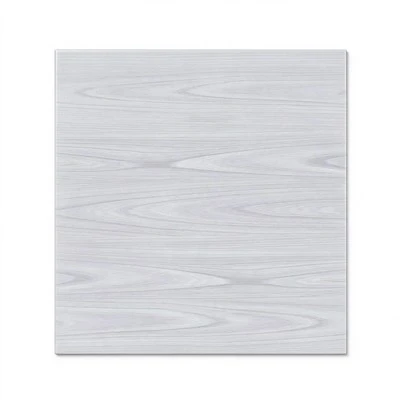
Then there’s color variety. Regular porcelain’s color goes all the way through the clay, right? That’s why if you chip a regular porcelain tile, the edge is the same color as the surface. But the problem is, you’re limited to the color of the clay, or adding pigment to the clay before firing. Glazed porcelain lets us do literally any color or pattern you want. Want a tile that looks like marble with realistic veins? We can do that with a glaze. Want a bold cobalt blue for a bathroom accent wall? No problem. Even textured effects—like mimicking wood or leather—are way easier to pull off with a glaze, because you can print or apply the glaze in different layers before firing. Regular porcelain would look flat and fake if you tried that.
Durability is a big one, too. A lot of people think glazed tiles scratch easier, but that’s a myth—if it’s a properly applied glaze. Our glazed porcelain tiles have a glaze hardness of 6 or 7 on the Mohs scale (which measures scratch resistance). For reference, a fingernail is 2, a penny is 3, and a kitchen knife is 5. So a knife won’t scratch our glaze, and even high-heel shoes or moving furniture won’t leave marks. Regular porcelain’s surface is harder (Mohs 7-8), but if you chip a glazed tile, the chip is just the porcelain core, not the surface—you can sometimes even buff a small chip if it’s on the edge. A chip on regular porcelain is way more noticeable because it’s the same color all through. Wait, but let’s be real: the glaze fades way less than the surface of regular porcelain. Sunlight won’t turn glazed tiles yellow, whereas some matte regular porcelain (especially lighter colors) can fade over time outdoors. That’s why a lot of commercial properties—malls, restaurants, office lobbies—use our glazed porcelain tiles instead of regular ones. They hold up to constant foot traffic and sun exposure without looking worn.
Cleaning and maintenance? Glazed wins here, hands down. The smooth, non-porous glaze doesn’t trap dirt, grime, or bacteria. You can wipe it down with just water and a mild cleaner, no scrubbing needed. Even grout lines—wait, but no, the tile itself is way easier to clean. Regular porcelain’s matte surface can get little bits of dirt stuck in the tiny micro-pores, so you have to use a stiff brush occasionally. For homes with pets or kids, that’s a game-changer. I’ve had a mom customer tell us she uses our glazed tiles in her kitchen, and when her kid spills apple juice, she just wipes it up with a paper towel—no sticky residue, no stains. She said her old regular porcelain tiles took 10 minutes of scrubbing every time.
Wait, but is there a downside to glazed porcelain? Yeah, a small one. If the glaze is chipped all the way through, the core of the tile (which is porous? No, wait, the core is still non-porous, but it’s lighter in color than the glazed part) will show. But that’s way less likely than you think—our tiles are fired at 2,200 degrees, so the glaze is fused super tight. Another thing: glazed tiles can be slippery when wet, but we make plenty of glazed tiles with a textured anti-slip finish that’s still a glaze—so you get the protection without the slip risk. Regular porcelain, especially matte, is less slippery, but it doesn’t have that same stain resistance.
Let me wrap this up in real-talk terms. If you want a tile that’s easy to clean, stain-resistant, has tons of color and design options, and holds up for years (like 20+ years, if installed right), go glazed porcelain. If you’re on a super tight budget, and you don’t care about fancy colors, and you’re only tiling a low-traffic area like a basement floor, regular porcelain might work. But for most people—kitchens, bathrooms, outdoor patios, living rooms—glazed is the way to go.
If you’re working on a project right now—big or small—we can hook you up with samples, answer any questions, and help you pick the perfect glazed porcelain tiles for your space. No hard sell, no confusing tech specs, just straight talk from someone who’s been in this game for years. Hit us up to chat through your needs, and we’ll get you sorted.
Glazed Porcelain Tiles References
- Tile Council of North America. (2022). Porcelain Tile Standard Specifications. TCNA Handbook for Ceramic Tile Installation.
- American Ceramic Society. (2021). Glaze Technology for Porcelain Tiles: Composition and Performance Characteristics. Journal of Ceramic Science and Technology.
- National Kitchen and Bath Association. (2023). Tile Durability and Maintenance for Residential Spaces. NKBA Design Guidelines.
Guangdong Gujian Ceramics Co., Ltd.
As one of the most professional glazed porcelain tiles manufacturers and suppliers in China, we also support customized service. Please feel free to buy bulk high quality glazed porcelain tiles in stock here from our factory. Welcome to contact us for pricelist.
Address: Industrial Development Zone, Mulin’tou Town, Dianbai District, Maoming City, Guangdong Province
E-mail: 13450146114@139.com
WebSite: https://www.cn-gujian.com/
