In the dynamic landscape of modern manufacturing, the ability of multi – tasking machines to adapt to new production requirements is not just a desirable feature; it is an absolute necessity. As a supplier of multi – tasking machines, I have witnessed firsthand the transformative power of these versatile tools in the face of ever – changing industry demands. Multi-Tasking Machines

The Changing Face of Production Requirements
The manufacturing industry is in a constant state of flux, driven by factors such as technological advancements, evolving customer preferences, and global competition. New production requirements can stem from a variety of sources. For instance, the rise of the Internet of Things (IoT) has led to a demand for smaller, more complex components with high precision. These components often require multiple machining operations, which traditional single – function machines struggle to handle efficiently.
Moreover, sustainability has become a key consideration in production. Manufacturers are now looking for ways to reduce waste, energy consumption, and the environmental impact of their operations. This has led to a need for machines that can optimize material usage and streamline production processes.
Another factor is the increasing demand for customization. Consumers today expect products that are tailored to their specific needs and preferences. This means that manufacturers need to be able to quickly switch between different production runs, producing small batches of highly customized items.
How Multi – Tasking Machines Adapt to These Changes
1. Modular Design
One of the primary ways multi – tasking machines adapt to new production requirements is through modular design. A modular machine consists of a series of independent units or modules that can be easily added, removed, or replaced. This allows manufacturers to reconfigure the machine according to the specific needs of a particular production run.
For example, if a manufacturer needs to add a new machining operation, such as grinding or drilling, they can simply install the appropriate module. This not only saves time but also reduces the need for purchasing new, dedicated machines. The modular design also enables easy upgrades, ensuring that the machine can keep up with the latest technological advancements.
2. Advanced Control Systems
Modern multi – tasking machines are equipped with advanced control systems that play a crucial role in adapting to new production requirements. These control systems use sophisticated algorithms and software to optimize the machining process.
For instance, they can automatically adjust cutting parameters such as speed, feed rate, and depth of cut based on the material being machined and the desired finish. This ensures that the machine can produce high – quality parts consistently, even when working with different materials or complex geometries.
In addition, the control systems can integrate with other manufacturing systems, such as computer – aided design (CAD) and computer – aided manufacturing (CAM) software. This allows for seamless transfer of design data to the machine, enabling rapid prototyping and production of new parts.
3. Tool Changers and Tool Management Systems
Multi – tasking machines often come with advanced tool changers and tool management systems. These systems can hold a large number of different tools and can automatically select and change the appropriate tool for each machining operation.
This is particularly important when dealing with new production requirements that involve multiple machining processes. For example, a single part may require turning, milling, drilling, and tapping operations. With a tool changer and tool management system, the machine can perform all these operations without the need for manual tool changes, significantly reducing production time.
The tool management system also keeps track of the condition and usage of each tool. It can alert the operator when a tool needs to be replaced or sharpened, ensuring that the machine operates at peak efficiency.
4. Flexibility in Workpiece Handling
To adapt to new production requirements, multi – tasking machines need to be able to handle different types and sizes of workpieces. Many modern machines are equipped with flexible workpiece handling systems, such as robotic loaders and unloaders.
These systems can automatically load and unload workpieces of various shapes and sizes, reducing the need for manual labor and increasing production efficiency. They can also be programmed to position the workpiece accurately for each machining operation, ensuring high – precision results.
Case Studies: Real – World Adaptations
Case Study 1: Aerospace Industry
In the aerospace industry, the demand for lightweight and high – strength components is constantly growing. A manufacturer of aerospace parts was facing challenges in producing complex turbine blades with high precision. The traditional machining process was time – consuming and required multiple setups on different machines.
By investing in a multi – tasking machine, the manufacturer was able to streamline the production process. The modular design of the machine allowed them to add a five – axis milling module, which enabled them to machine the complex geometries of the turbine blades in a single setup. The advanced control system optimized the cutting parameters, resulting in improved surface finish and dimensional accuracy. The tool changer and tool management system ensured that the right tools were used for each operation, reducing tool change time and increasing productivity.
Case Study 2: Medical Device Industry
The medical device industry is known for its strict quality requirements and the need for rapid product development. A medical device manufacturer needed to produce a new type of orthopedic implant with a complex internal structure.
The multi – tasking machine they used was equipped with a robotic loader that could handle the small and delicate workpieces. The advanced control system integrated with the CAD/CAM software, allowing for quick programming and production of the implant. The modular design enabled the addition of a laser machining module, which was used to create the precise internal features of the implant. This not only reduced the production time but also improved the quality of the final product.
The Future of Multi – Tasking Machines in Adapting to Production Requirements
As technology continues to advance, multi – tasking machines will become even more adaptable to new production requirements. The integration of artificial intelligence (AI) and machine learning (ML) will enable machines to learn from past production data and optimize the machining process in real – time.
For example, AI algorithms can predict tool wear and automatically adjust the cutting parameters to compensate for it. ML can also be used to analyze production data and identify areas for improvement, such as reducing cycle times or improving part quality.
In addition, the development of new materials, such as composites and advanced alloys, will require multi – tasking machines to be even more versatile. Machines will need to be able to handle these materials with high precision, which may require the development of new cutting tools and machining techniques.
Conclusion
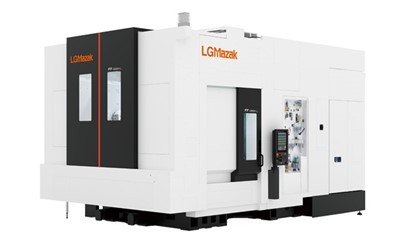
In conclusion, multi – tasking machines are essential for modern manufacturers to adapt to new production requirements. Their modular design, advanced control systems, tool changers, and flexible workpiece handling systems enable them to handle a wide range of machining operations and workpieces. Through real – world case studies, we have seen how these machines can significantly improve production efficiency, quality, and flexibility.
Vertical Machining Centers As the manufacturing industry continues to evolve, multi – tasking machines will play an even more crucial role in meeting the challenges of new production requirements. If you are a manufacturer looking to enhance your production capabilities and adapt to the changing market demands, I encourage you to explore the possibilities of multi – tasking machines. Contact us today to discuss your specific needs and how our multi – tasking machines can help you achieve your production goals.
References
- Smith, J. (2020). "Advanced Machining Technologies in the 21st Century". Manufacturing Press.
- Johnson, A. (2021). "The Role of Multi – Tasking Machines in Modern Manufacturing". Industrial Journal.
- Brown, C. (2022). "Case Studies in Multi – Tasking Machine Applications". Production Insights Magazine.
Hermens Industrial Co., Ltd.
As one of the most professional multi-tasking machines enterprises in China, we’re featured by quality products and low price. Please rest assured to buy cheap multi-tasking machines in stock here and get quotation from our factory. We also accept customized orders.
Address: 9/59 Moo 14, Rachathewa , Bang Phli , Samut Prakan Province 10540
E-mail: liu_jincheng@hzhemen.com
WebSite: https://www.hermensindustrial.com/
