As a seasoned PVC Conduit supplier, I’ve witnessed firsthand the importance of proper insulation in various electrical and plumbing applications. PVC conduit is widely used due to its durability, affordability, and ease of installation. However, without adequate insulation, it can be susceptible to temperature fluctuations, moisture damage, and other environmental factors that may compromise the integrity of the wiring or plumbing systems it protects. In this blog, I’ll share some practical tips on how to insulate PVC conduit effectively. PVC Conduit
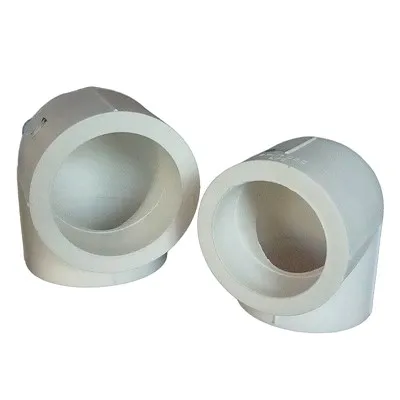
Understanding the Need for Insulating PVC Conduit
Before delving into the insulation methods, it’s crucial to understand why insulating PVC conduit is necessary. In cold climates, uninsulated PVC conduit can cause the water inside the pipes to freeze, leading to blockages or even pipe bursts. This can result in costly repairs and disruptions to the building’s water supply or electrical systems. Additionally, in hot environments, insulation can help prevent the PVC conduit from overheating, which may cause the plastic to deform or degrade over time.
Insulation also plays a vital role in reducing energy consumption. By minimizing heat transfer, insulated PVC conduit helps maintain a more stable temperature within the pipes, reducing the workload on heating and cooling systems. This not only saves energy but also lowers utility bills in the long run.
Choosing the Right Insulation Material
When it comes to insulating PVC conduit, selecting the appropriate insulation material is key. There are several options available, each with its own set of advantages and disadvantages. Here are some common insulation materials used for PVC conduit:
Foam Insulation
Foam insulation is a popular choice for insulating PVC conduit due to its excellent thermal properties and ease of installation. It comes in various forms, such as foam sleeves or sheets, and can be easily cut to fit the size of the conduit. Foam insulation provides a high level of thermal resistance, helping to prevent heat loss or gain. It is also lightweight, flexible, and resistant to moisture, making it suitable for both indoor and outdoor applications.
Fiberglass Insulation
Fiberglass insulation is another widely used material for insulating PVC conduit. It consists of fine glass fibers that trap air, creating a barrier against heat transfer. Fiberglass insulation is available in batts, rolls, or loose-fill forms, allowing for easy installation around the conduit. It is known for its high thermal performance, fire resistance, and durability. However, it can be irritating to the skin and lungs if not handled properly, so it’s important to wear protective gear when working with fiberglass insulation.
Rubber Insulation
Rubber insulation is a versatile option that offers excellent thermal and acoustic properties. It is made from synthetic rubber materials and comes in the form of pre-slit tubes or sheets. Rubber insulation is flexible, easy to install, and resistant to moisture and chemicals. It is commonly used in plumbing applications to prevent freezing and reduce noise transmission.
Preparing the PVC Conduit for Insulation
Before applying insulation to the PVC conduit, it’s important to prepare the surface properly. This ensures a good bond between the insulation material and the conduit, maximizing the effectiveness of the insulation. Here are the steps to follow:
- Clean the Conduit: Use a clean, dry cloth to remove any dirt, dust, or debris from the surface of the PVC conduit. This helps the insulation material adhere better to the conduit.
- Inspect for Damage: Check the conduit for any cracks, holes, or other signs of damage. If any damage is found, repair or replace the affected section of the conduit before applying insulation.
- Measure and Cut the Insulation: Measure the length of the conduit and cut the insulation material to the appropriate size. Make sure to leave a small gap at the ends of the insulation to allow for expansion and contraction.
Applying Insulation to PVC Conduit
Once the conduit is prepared, it’s time to apply the insulation. The method of application may vary depending on the type of insulation material used. Here are some general guidelines for applying insulation to PVC conduit:
Foam Insulation
- Sleeve Method: If using foam sleeves, simply slide the sleeve over the conduit. Make sure the sleeve fits snugly around the conduit and there are no gaps or overlaps. Use a utility knife to cut the sleeve to the desired length.
- Sheet Method: If using foam sheets, wrap the sheet around the conduit and secure it with adhesive tape or foil tape. Make sure the edges of the sheet overlap slightly to prevent heat loss.
Fiberglass Insulation
- Batt or Roll Method: If using fiberglass batts or rolls, place the insulation around the conduit and secure it with wire ties or insulation tape. Make sure the insulation is evenly distributed around the conduit and there are no gaps or voids.
- Loose-Fill Method: If using loose-fill fiberglass insulation, pour the insulation into the space around the conduit using a scoop or funnel. Make sure the insulation is packed tightly around the conduit to prevent air movement.
Rubber Insulation
- Pre-Slit Tube Method: If using pre-slit rubber tubes, simply open the slit and slide the tube over the conduit. Make sure the tube fits snugly around the conduit and there are no gaps or overlaps. Use a utility knife to cut the tube to the desired length.
- Sheet Method: If using rubber sheets, wrap the sheet around the conduit and secure it with adhesive tape or foil tape. Make sure the edges of the sheet overlap slightly to prevent heat loss.
Sealing the Insulation
After applying the insulation, it’s important to seal the edges and joints to prevent air leakage. This helps to maintain the integrity of the insulation and improve its energy efficiency. Here are some tips for sealing the insulation:
- Use Adhesive Tape: Apply adhesive tape along the edges and joints of the insulation to seal any gaps or openings. Make sure the tape is tightly adhered to the insulation and the conduit.
- Apply Foam Sealant: If there are any larger gaps or holes in the insulation, use foam sealant to fill them. Apply the foam sealant using a caulking gun and smooth it out with a putty knife.
- Install Insulation Jacketing: For added protection, consider installing insulation jacketing over the insulation. Insulation jacketing is a protective layer that helps to prevent damage to the insulation and improve its appearance.
Insulating PVC Conduit in Different Applications
The insulation requirements for PVC conduit may vary depending on the specific application. Here are some tips for insulating PVC conduit in different scenarios:
Residential Plumbing
- Underground Pipes: When insulating PVC conduit for underground plumbing, use a high-quality foam insulation with a thick wall thickness. Make sure the insulation is rated for underground use and is resistant to moisture and chemicals.
- Exposed Pipes: For exposed PVC pipes in basements or crawl spaces, wrap the pipes with fiberglass insulation or foam sleeves. Secure the insulation with wire ties or insulation tape and seal the edges with adhesive tape.
- Hot Water Pipes: Insulate hot water pipes with a high-temperature insulation material, such as rubber or fiberglass. This helps to reduce heat loss and maintain the temperature of the hot water.
Electrical Wiring
- Indoor Wiring: When insulating PVC conduit for indoor electrical wiring, use a non-combustible insulation material, such as fiberglass or mineral wool. Make sure the insulation is rated for electrical use and does not interfere with the operation of the electrical components.
- Outdoor Wiring: For outdoor electrical wiring, use a weather-resistant insulation material, such as foam or rubber. Make sure the insulation is UV-resistant and can withstand the elements.
- High-Temperature Areas: In high-temperature areas, such as near furnaces or boilers, use a high-temperature insulation material, such as ceramic fiber or refractory insulation.
Maintenance and Inspection

Once the PVC conduit is insulated, it’s important to perform regular maintenance and inspections to ensure the insulation is in good condition. Here are some tips for maintaining and inspecting the insulation:
- Check for Damage: Regularly inspect the insulation for any signs of damage, such as cracks, tears, or water damage. If any damage is found, repair or replace the affected section of the insulation immediately.
- Clean the Insulation: Keep the insulation clean and free of dirt, dust, and debris. Use a soft brush or vacuum cleaner to remove any loose particles from the surface of the insulation.
- Monitor the Temperature: Use a thermometer to monitor the temperature of the PVC conduit. If the temperature is consistently higher or lower than normal, it may indicate a problem with the insulation.
Conclusion
PVC Conduit Insulating PVC conduit is an important step in protecting your electrical and plumbing systems from temperature fluctuations, moisture damage, and other environmental factors. By choosing the right insulation material, preparing the conduit properly, and applying the insulation correctly, you can ensure the long-term performance and reliability of your PVC conduit. If you have any questions or need further assistance with insulating PVC conduit, please don’t hesitate to contact us. We’re here to help you find the best insulation solution for your specific needs.
References
- "PVC Conduit Installation Guide," Electrical Construction & Maintenance Magazine.
- "Insulation Materials for Building Applications," National Insulation Association.
- "Plumbing Code Handbook," International Association of Plumbing and Mechanical Officials.
Hebei Ruijie Pipe Industry Co., Ltd.
Hebei Ruijie Pipe Industry Co., Ltd. is one of the most experienced PVC conduit manufacturers and suppliers in China. With a professional production team, we are able to meet the needs of the majority of our customers. Welcome to wholesale high quality PVC conduit in stock here from our factory. Contact us for pricelist and free sample.
Address: Industrial Park, Shaozhuang Township, Suning County, Cangzhou City, Hebei Province
E-mail: 1987870474@qq.com
WebSite: https://www.rjpprpipe.com/
