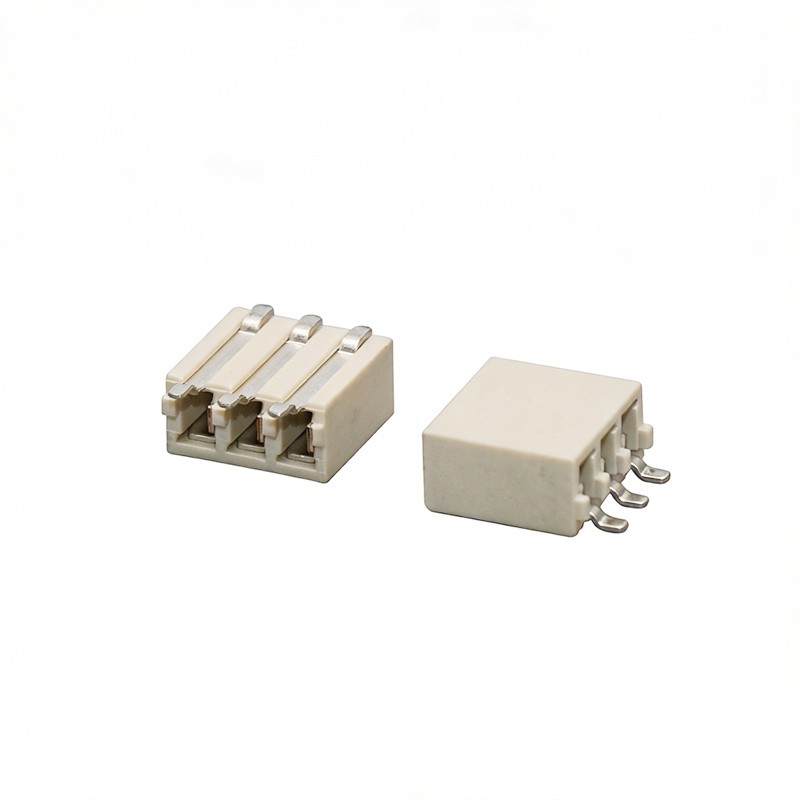
Hey there! I’m a supplier of wire-to-wire connectors, and I often get asked the question: What is the lifespan of a wire-to-wire connector? In this blog, I’m going to break down all the factors that influence the lifespan of these connectors and give you a better idea of what to expect. Wire-to-Wire Connector
Understanding the Basics of Wire – to – Wire Connectors
First off, let’s talk a bit about what wire-to-wire connectors are. Simply put, they’re used to join two or more electrical wires together. They come in all sorts of shapes, sizes, and types, like the crimp connectors, solder connectors, and twist-on connectors. Each type has its own unique features and applications, but they all serve the same fundamental purpose: to create a reliable electrical connection between wires.
Factors Affecting the Lifespan of Wire – to – Wire Connectors
1. Quality of Materials
The materials used in making the connectors play a huge role. High – quality metals, like copper or gold – plated brass, are great conductors and are more resistant to corrosion. For instance, copper is a popular choice because it’s an excellent conductor of electricity. But if the copper isn’t of good quality or isn’t properly protected, it can corrode over time. On the other hand, gold – plated connectors offer even better corrosion resistance, but they’re usually more expensive.
When we manufacture our connectors, we always use top – notch materials. We source high – grade copper and sometimes use gold plating for connectors that are going to be used in harsh environments. This ensures that our connectors can stand the test of time.
2. Environmental Conditions
The environment where the connector is used can have a massive impact on its lifespan. If the connector is exposed to high humidity, it can cause the metal to rust and corrode. For example, in areas near the ocean, where the air is salty and humid, connectors need to be extra durable.
Extreme temperatures can also be a problem. High temperatures can cause the plastic insulation on the connector to melt or degrade, while very low temperatures can make the materials brittle. In industrial settings where there are lots of chemicals floating around, connectors can be damaged if they aren’t chemically resistant.
We’ve designed our connectors to be adaptable to different environments. For harsh conditions, we offer connectors with special coatings and insulation that can withstand moisture, extreme temperatures, and chemical exposure.
3. Electrical Load
How much electrical current the connector has to carry is another important factor. If the connector is constantly carrying a high electrical load, it can generate heat. Over time, this heat can damage the connector’s internal components, leading to a shorter lifespan.
It’s like when you’re driving a car. If you’re always pushing the engine to its limits, it’s going to wear out faster. Similarly, connectors need to be rated for the appropriate electrical load. We offer a wide range of connectors with different current ratings, so you can choose the one that best fits your electrical system.
4. Installation Quality
The way the connector is installed also matters. If it’s not installed correctly, it can lead to loose connections, which can cause arcing and overheating. For example, when using crimp connectors, if the crimp isn’t tight enough, the connection may break over time.
That’s why we provide detailed installation guides with our connectors. We want to make sure that our customers can install them correctly the first time, which helps to maximize the lifespan of the connectors.
Typical Lifespan Estimates
It’s hard to give an exact number for how long a wire – to – wire connector will last because of all these factors. However, in a normal, indoor environment with a proper electrical load and correct installation:
- Crimp connectors can last anywhere from 10 to 20 years. They’re a popular choice because they’re relatively easy to install and provide a good, reliable connection.
- Solder connectors, if installed correctly, can last even longer, sometimes up to 30 years. Soldering creates a very strong bond between the wires and the connector.
- Twist – on connectors usually have a lifespan of about 10 to 15 years. They’re simple to use but may not be as durable as some other types in high – vibration or harsh environments.
In harsher conditions, such as outdoor or industrial settings, the lifespans are likely to be shorter. But with our high – quality, specialized connectors, we can significantly extend the lifespan even in these tough situations.
Maintenance and Inspection
To get the most out of your wire – to – wire connectors, regular maintenance and inspection are crucial. You should check the connectors periodically for any signs of corrosion, overheating, or loose connections. If you notice any problems, it’s best to replace the connector right away.
For example, if you see that the insulation on a connector is starting to crack or show signs of melting, it’s a clear indication that there’s a problem. And if a connector feels hot to the touch, that means it’s probably carrying too much current or there’s a loose connection.
Why Choose Our Wire – to – Wire Connectors?
As a supplier, we’re committed to providing the best wire – to – wire connectors on the market. We use only the highest – quality materials, and our manufacturing processes are top – notch. Our connectors are rigorously tested to ensure they meet strict quality standards.
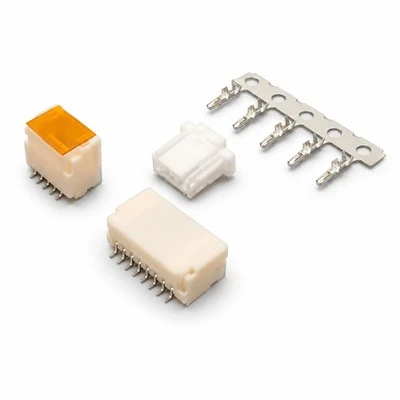
We also offer a wide variety of connector types to meet different customer needs. Whether you need a connector for a simple home electrical project or a complex industrial application, we’ve got you covered. And if you’re not sure which connector is right for you, our team of experts is always here to help.
Get in Touch for Your Wire – to – Wire Connector Needs
Board-to-Board Connector If you’re in the market for wire – to – wire connectors, I’d love to chat with you. We can discuss your specific requirements, and I can help you choose the right connectors for your project. Whether you’re a DIY enthusiast or a large – scale industrial manufacturer, we have solutions that will work for you. So don’t hesitate to reach out and start a conversation about your connector needs.
References
- Grob, Bernard. "Basic Electronics." McGraw – Hill Education, 2007.
- Boylestad, Robert L., and Louis Nashelsky. "Electronic Devices and Circuit Theory." Pearson Prentice Hall, 2010.
- ASME (American Society of Mechanical Engineers) standards on electrical connectors.
Wenzhou JKUN Connector Co., Ltd.
As one of the most professional wire-to-wire connector manufacturers and suppliers in China, we’re featured by quality products and low price. Please rest assured to wholesale bulk customized wire-to-wire connector from our factory. For quotation and free sample, contact us now.
Address: No.2667, Ningkang East Road, Yueqing City, Zhejiang Province, China
E-mail: sales@cnjkun.com
WebSite: https://www.jkunjcj.com/
