As a seasoned supplier of mesh knitted fabric, I’ve witnessed firsthand the intricate dance of factors that determine its price. In this blog, I’ll share my insights into the key elements that influence the cost of this versatile material. Mesh Knitted Fabric
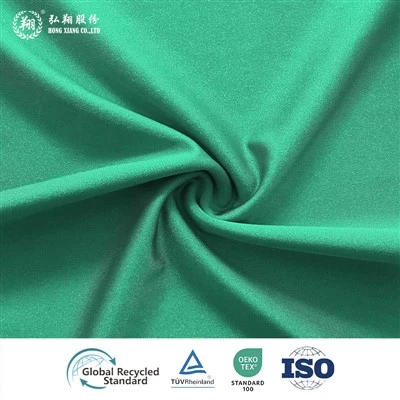
Raw Material Costs
The foundation of any fabric’s price lies in its raw materials. Mesh knitted fabric can be made from a variety of fibers, each with its own price point. Natural fibers like cotton and silk are generally more expensive due to their limited availability and the labor-intensive process of harvesting and processing them. Synthetic fibers, on the other hand, such as polyester and nylon, are often more affordable and can offer a wider range of performance characteristics.
The quality of the raw materials also plays a significant role in determining the price. Higher-quality fibers are typically more uniform in texture and strength, resulting in a more durable and aesthetically pleasing fabric. Additionally, fibers that are sustainably sourced or have special properties, such as moisture-wicking or UV protection, may command a premium price.
Production Processes
The manufacturing process is another major factor that affects the price of mesh knitted fabric. The complexity of the knitting pattern, the type of machinery used, and the level of automation all contribute to the overall cost.
Intricate knitting patterns require more time and skill to produce, which can drive up the price. Additionally, certain patterns may require specialized machinery or techniques, further increasing the production cost. On the other hand, simpler patterns can be produced more quickly and efficiently, resulting in a lower price.
The type of machinery used in the production process also plays a role. High-end knitting machines are often more expensive to purchase and maintain, but they can produce fabrics with higher precision and quality. Additionally, automated machines can reduce labor costs, making the fabric more affordable.
Quantity and Customization
The quantity of mesh knitted fabric ordered and the level of customization required also have a significant impact on the price. Generally, larger orders can result in lower per-unit costs due to economies of scale. Manufacturers can spread the fixed costs of production, such as machinery setup and labor, over a larger quantity of fabric, resulting in a lower overall price.
Customization, on the other hand, can increase the price of the fabric. Custom colors, patterns, and finishes require additional time and resources to produce, which is reflected in the final cost. Additionally, custom orders may require specialized machinery or techniques, further adding to the price.
Market Demand and Supply
The basic economic principles of supply and demand also play a role in determining the price of mesh knitted fabric. When demand for the fabric is high and supply is low, prices tend to increase. Conversely, when supply exceeds demand, prices may decrease.
Market trends and consumer preferences can also affect the demand for mesh knitted fabric. For example, if a particular style or color of fabric becomes popular, the demand for it may increase, driving up the price. Additionally, changes in fashion trends or consumer behavior can lead to fluctuations in demand for different types of mesh knitted fabric.
Geographic Location
The geographic location of the supplier and the customer can also impact the price of mesh knitted fabric. Shipping costs, customs duties, and taxes can all add to the final cost of the fabric. Additionally, suppliers in certain regions may have higher labor costs or access to more expensive raw materials, which can also affect the price.
Quality and Performance
The quality and performance of the mesh knitted fabric are perhaps the most important factors that determine its price. Higher-quality fabrics are typically more durable, comfortable, and aesthetically pleasing, and they may also offer better performance characteristics, such as moisture-wicking, breathability, and stretch.
Fabrics that are tested and certified to meet certain quality standards, such as ASTM or ISO standards, may also command a premium price. These standards ensure that the fabric meets certain levels of performance, safety, and environmental sustainability.
Conclusion
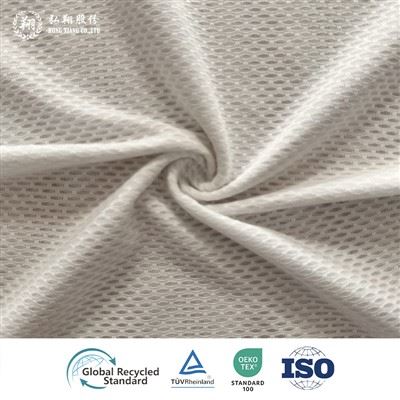
In conclusion, the price of mesh knitted fabric is determined by a complex interplay of factors, including raw material costs, production processes, quantity and customization, market demand and supply, geographic location, and quality and performance. As a supplier, I understand the importance of balancing these factors to offer my customers high-quality fabrics at competitive prices.
Jacquard Knitted Fabric If you’re interested in purchasing mesh knitted fabric for your business or project, I invite you to contact me to discuss your specific needs and requirements. I’ll be happy to provide you with a detailed quote and answer any questions you may have. Let’s work together to find the perfect mesh knitted fabric solution for you.
References
- Textile Institute. (2023). Handbook of Textile Fibre Structure. Woodhead Publishing.
- Lewin, M., & Pearce, E. M. (Eds.). (2022). Handbook of Fiber Chemistry. CRC Press.
- Tortora, P. G., & Merkel, J. B. (2021). Fairchild’s Dictionary of Textiles. Fairchild Books.
Zhejiang Hongxiang Textile Technology Co., Ltd.
Zhejiang Hongxiang Textile Technology Co., Ltd. is one of the most professional mesh knitted fabric manufacturers and suppliers in China. With abundant experience, we warmly welcome you to wholesale custom made mesh knitted fabric from our factory. If you have any enquiry about cooperation, please feel free to email us.
Address: No. 8, 12th Road, Warp Weaving Park, Maqiao Street, Haining City, Jiaxing City, Zhejiang Province
E-mail: gd@hongxiang888.cn
WebSite: https://www.h-xiang.com/
