If you’ve ever spilled red wine on a regular kitchen floor and watched it sink in so fast you barely had time to grab a paper towel, you know how frustrating stains can be. That’s why when folks ask me about Strand Woven Bamboo (SWB) flooring, one of the first questions they always ask is, “How does it actually resist stains better than every other type of bamboo or even hardwood out there?” As a guy who’s been in the SWB supply game for over a decade—helping contractors, remodelers, and even homeowners pick the right material for their spaces—I get it. Stain resistance isn’t just a marketing buzzword; it’s what makes a floor work for busy families, rental properties, and high-traffic areas. Today, I’m gonna break this down like I would over a coffee at a trade show—no stuffy jargon, just real, science-backed reasons and how we make sure our SWB checks every stain-resistance box. Strand Woven Bamboo
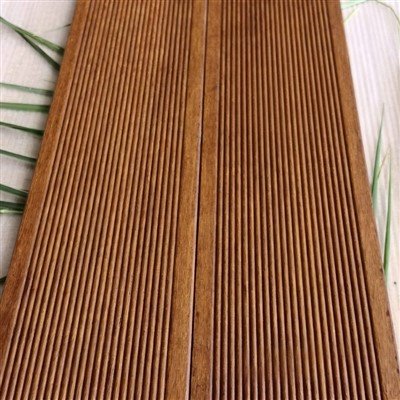
First off, let’s talk about what Strand Woven Bamboo even is, because a lot of people mix it up with regular solid bamboo. Regular bamboo flooring is usually made by slicing stalks into thin strips, gluing them together with the grain running in the same direction. That sounds okay, but those strips have tiny gaps, and the glue line isn’t super dense. SWB? It’s totally different. We take mature bamboo stalks (only 4-6 years old, by the way—younger stuff is too soft to hold up) and crush ’em into individual fibers, not just strips. Then we mix those fibers with a custom-formulated resin (no weird formaldehyde stuff, by the way—we use low-VOC resins that meet all global safety standards) and compress them at temperatures way higher than regular bamboo, like 3000 psi of pressure and temps around 200°C. All that pressure and heat does two big things for stain resistance: it eliminates every tiny pore or gap in the material, and it makes the surface way harder than regular bamboo or even some hardwoods. Wait, hard isn’t everything, but it’s a foundation—if a surface is soft, spills can sink in easy, no matter the finish.
But here’s the part most people don’t hear about: the finish. I know, I know—finish is like the “coat of armor” for any floor, but not all finishes are equal. For our SWB, we use a two-part cross-linked polyurethane finish, and we add a thing called aluminum oxide particles. Aluminum oxide is the same stuff that makes sandpaper tough, but when it’s micro-sized and mixed into the finish, it creates a super thin, tough layer that bonds to the woven bamboo surface way better than regular polyurethane. Here’s the science bit, plain and simple: cross-linked finishes mean the molecules in the finish are linked together, so they don’t lift or scratch easily. If you scratch the finish, you don’t break the whole layer—just a tiny part, which keeps spills from seeping through. Regular one-part polyurethane? It’s more like a top coat that sits on top, so if you drag a chair leg across it, it can scrape right off, leaving the bamboo exposed. That’s why some SWB floors stain faster than others—they cut corners on the finish. We don’t do that.
Wait, let’s test this with a real example, okay? Last year, we had a contractor order 500 sq ft of our SWB for a restaurant’s new patio bar area. Within a week of installation, they spilled three beers, two vinaigrette dressings, and a whole bottle of soy sauce. The manager sent me a pic of it an hour later, and I told him to grab a damp microfiber cloth and wipe—no harsh chemicals, nothing. When he sent the next pic 10 minutes later, all the stains were gone. He was shocked, because before that, he’d used solid hardwood that took hours to clean red wine out of, and some of it still left a mark. That’s not luck—That’s the weave and the finish working together.
Another big reason: the density of the woven fibers. I mentioned the 3000 psi pressure earlier, but let’s put that in perspective. Regular solid bamboo is usually around 1000-1500 psi compression strength, while SWB is 2500-3000 psi. That density means there’s no room for liquids to penetrate the actual bamboo fibers—they have to get through the finish first, and our finish is designed to stop that. Even if you spill something super harsh, like bleach or even paint thinner (we’ve had a couple of DIYers test that on scrap samples for fun—no judgment, we’re curious too), the finish won’t etch or discolor the bamboo underneath. Some cheaper SWB brands use lower pressure, so their density is lower, and liquids can work their way into the gaps between fibers, even if the finish is intact. That’s why I always tell folks to ask for density specs when they’re shopping—if a supplier won’t give you that number, they’re probably cutting corners.
Let me address a common myth, too. A lot of people think “stain resistant” means “stain proof.” Nah, that’s not a real thing for any floor. Even our SWB, if you leave a super pigmented spill like red wine on it for 72 hours straight without cleaning it, you might get a tiny mark— but not because the bamboo absorbed it, because some of the pigment might get trapped in micro-scratches in the finish (from heels, chair legs, whatever). The key is that you can clean most spills in 10 seconds with a damp cloth, no fancy products. That’s what makes it different from, say, carpet, which traps stains deep in the fibers and is almost impossible to get out.
Now, let’s talk about how we ensure every batch of SWB leaves our warehouse with that stain resistance intact. Quality control is non-negotiable for us. We test every single batch with standardized stain tests—like the ASTM D1308 test, which is the industry standard for floor stain resistance. We spill red wine, coffee, cooking oil, and even marker on sample boards, let them sit for 24 hours, wipe them with a neutral cleaner, and check for any discoloration. If more than 2% of the samples fail, the whole batch gets sent back to the mill. That’s why we stand behind our product—we don’t want to send out a floor that doesn’t live up to the hype.
I also should mention that our SWB is made with solid core, not engineered. Engineered floors have a thin top layer of real wood (or bamboo) glued to a plywood core, so if the finish gets scratched through, the core can absorb stains. Our SWB is 100% solid bamboo fibers woven together, so even if you do scratch through the finish in a small spot (like if a drop knife falls), that tiny area is still dense enough that spills won’t seep deep. It’s not perfect, but it’s way better than engineered or laminate.
Wait, what about pet stains? That’s a huge one for homeowners. I’ve had so many customers with dogs or cats tell me they were scared to get new flooring because of accidents. Our SWB works here too—urine is a liquid, and if you clean it up within 15 minutes, it won’t stain. The key is not letting it sit, same as any floor, but the dense surface means it doesn’t soak in like carpet or even some hardwood. A lot of our clients with large dogs have had zero issues with pet stains, which is a huge win.
Let me wrap this up by putting it all together. Stain resistance in SWB isn’t from one trick—it’s the combination of three big things: 1) crushing bamboo into individual fibers and compressing it at extreme pressure to eliminate gaps and boost density, 2) using a cross-linked, aluminum oxide-infused finish that bonds tight to the surface, and 3) strict quality control to make sure every batch meets those high standards. As a supplier, I don’t sell “magic floors”—I sell floors that work for real people’s real lives, whether that’s a family with three toddlers, a busy café, or a rental property that gets tons of foot traffic.
If you’re a contractor, remodeler, or homeowner looking for a floor that doesn’t panic you every time someone knocks over a glass of juice, we’ve got you. We work with all kinds of projects, from small bathroom remodels to large commercial spaces, and we can hook you up with samples or detailed specs to make sure our SWB is the right fit for your space. Hit us up to chat about your project—we’re here to answer all your questions, no sales pitch, just real talk from someone who’s been in this game for years.
Decking Bamboo References:
ASTM D1308 – Standard Test Method for Effect of Chemicals on Finish Materials
National Bamboo and Rattan Organization (NBA) – Strand Woven Bamboo Properties
Wood Floor Science – Comparative Density of Bamboo and Hardwood Species
Fujian Jingmingsheng Forestry Technology Co., Ltd.
As one of the most professional strand woven bamboo manufacturers and suppliers in China, we offer a wide range of products with superior quality. With abundant experience, we warmly welcome you to wholesale bulk strand woven bamboo in stock here from our factory. Customized orders are welcome.
Address: No. 1, Daban, Fuzhuang, Xiyang Town, Yongan City, Sanming City, Fujian Province
E-mail: 17759790120@163.com
WebSite: https://www.jingangzhu.com/
