Hey everyone, it’s Jake from the CAD/CAM Material shop – I get a ton of questions from new and veteran machine operators, prototype designers, and small-batch manufacturers about which plastics actually work best for CAD/CAM workflows. Let’s be real: picking the wrong plastic isn’t just a small oops – it’s a scrap of ruined material, a delayed project, or even a machine hiccup that eats into your profits. I’ve been sourcing and testing these materials for 8 years, so I’m gonna break down the most common plastics we supply, what makes each of them click (or not) for CAD/CAM, and the pro tips I’ve picked up along the way. No stuffy industry jargon, just real talk. CAD/CAM Material
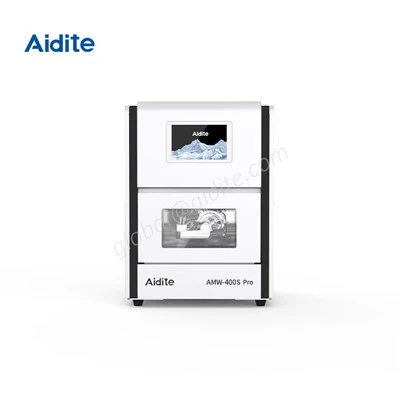
First, let’s quick ground this: CAD/CAM manufacturing is all about bridging digital designs (made in tools like SolidWorks, Fusion 360, or Mastercam) to physical parts – that means cutting, milling, routing, or 3D printing materials to exact specs, no gaps. So the plastics we use here need to play nice with those machine tools, hold tight tolerances, not melt mid-cut or leave weird burrs, and match whatever the part is for (whether it’s a medical tool, a robotic gripper, a consumer goods prototype, or a machine cover). We don’t just stock random plastics – every single one on our shelf is tested to mill cleanly, cut without chipping, and stay dimensionally stable from first cut to final part.
Let’s start with the OG workhorse of CAD/CAM: Acrylonitrile Butadiene Styrene, aka ABS. I’m sure you’ve heard of it – it’s that tough, slightly glossy plastic used in Lego bricks, phone cases, and old-school car interior trim. For CAD/CAM, ABS is top-tier because it’s super forgiving on machines. It mills like butter, produces almost no static (huge win for operators who hate seeing tiny plastic shavings stick to everything), and has great impact resistance. We use it all the time for rapid prototypes – if a designer bangs a part off a desk and it doesn’t crack, that’s probably ABS. But wait, it’s not perfect. It softens at around 220°F, so it’s a no-go for high-heat applications like kitchen parts or industrial machine guards. Also, if you mill it too fast without proper support, it can flex a little and throw off your tolerance. Pro tip from our team: always use a sharp, high-helix end mill for ABS – dull bits cause that fuzzy burr everyone complains about. We stock ABS in both solid sheets (for subtractive milling) and filament for FDM 3D printing if you need a quick part before the final CAD/CAM cut.
Next up, something that’s been blowing up in our orders lately: Polypropylene, or PP. If you’ve ever grabbed a laundry detergent bottle, a yogurt cup, or a medical syringe cap, you’ve held PP. It’s lightweight, chemical-resistant, and flexible, which makes it perfect for parts that need to bend or hold liquids – like medical packaging, automotive interior trim that flexes, or piping components. For CAD/CAM, PP is a game-changer because it’s nearly moisture-proof, so it doesn’t warp when you cut it (a common issue with some other plastics that absorb humidity in storage). The downside? It’s way more flexible than ABS, so it tends to deflect when you’re doing deep cuts or tight tolerances. Also, it leaves a lot of stringy, curly shavings that can clog machine tool bits if you don’t have a good vacuum system. We’ve found that using a down-cut end mill helps with that – it pulls the shavings out instead of pushing them into the cut. A lot of our clients use PP for parts that need to be autoclavable (think lab equipment), so we stock medical-grade PP that meets FDA standards, no weird additives that would leach into food or medical materials.
Now, the heavy hitter for high-stakes, precision work: Polycarbonate, PC. This is the plastic that bulletproof vests and sunglass lenses are made of – it’s nearly unbreakable, crystal clear, and can handle temps up to 275°F. For CAD/CAM, PC is the go-to for parts that need both strength and clarity, like prototype camera housings, medical implants, or safety guards for machine tools. But here’s the catch: PC is a diva to machine. It’s prone to melting and smearing if you cut it too slow or with dull tools, which leaves a gummy residue that’s a nightmare to clean off. We always recommend using coolant when milling PC – not just air – to keep the material cool during the cut. Also, it’s super rigid, so if you need tight tolerances (like ±0.001 inches), PC holds that way better than ABS or PP every time. We stock both clear and colored PC sheets, and a lot of our clients send us CAD files for custom-sized blanks, so they don’t have to cut big sheets down themselves. Just last month, a robotics company ordered 50 PC sheets for custom sensor guards that needed to withstand constant impact – none of them had to be scrapped, which is exactly what we aim for.
Wait, I can’t forget Nylon, or Polyamide. Nylon is that tough, slightly rubbery plastic used in gears, bearings, and zippers – it’s self-lubricating, so it doesn’t squeak or wear out as fast as metal or other plastics. For CAD/CAM, nylon is amazing for moving parts, like robotic grippers or gear prototypes. It’s also pretty impact-resistant and can handle light heat (up to 300°F for some grades). The thing about nylon? It absorbs moisture over time, which can make it swell and throw off your part dimensions. If you’re milling nylon, we always tell our clients to condition the sheets before cutting – leave them in a controlled humidity room for 48 hours so they don’t warp mid-process. Also, nylon shavings are super fine, so you need a good dust collection system to keep your workspace clean. We offer both filled and unfilled nylon – filled nylon has glass or carbon fiber added for extra strength, which is great for heavy-duty gears, while unfilled is softer for parts that need to grip.
Lately, we’ve been getting a lot of questions about engineering plastics that are more specialized: PEEK and PEKK. These are the “premium” plastics – PEEK can handle temps up to 500°F, is medical-grade, and is used in things like spinal implants and aerospace parts. PEKK is similar, but even lighter and more chemical-resistant. For CAD/CAM, these are for the highest-stakes applications, where metal is too heavy or too expensive. But they’re not for beginners – they require high-speed CNC machines with sharp, diamond-tipped tools, because they’re so tough. We only supply tested PEEK and PEKK, because if you machine them wrong, they can chip or crack instead of cutting clean. A lot of our aerospace and medical clients work with these, and they love that we can get custom blanks cut to their exact CAD dimensions, no extra work for them.
Now, let’s talk about a common mistake I see all the time: picking the wrong plastic for the job. Last year, a small prototype client came to us because they’d milled a plastic gear out of ABS, and it wore out in a week because it was moving nonstop. We swapped it for nylon (filled, actually, since it was a heavy gear) and that part’s been going for 6 months with zero issues. Another client tried to mill a kitchen shelf out of PP, and it warped because the oven it was sitting under got too hot – we switched it to HDPE, wait, hold on, I forgot High-Density Polyethylene (HDPE)! That’s another big one. HDPE is the plastic used in milk jugs, cutting boards, and playground equipment. It’s super chemical-resistant, non-toxic, and handles temps up to 250°F. For CAD/CAM, it’s perfect for food-grade parts, like custom cutting boards or food packaging prototypes, because it won’t leach chemicals when it’s cut or heated. It’s also really easy to mill, but like PP, it flexes on deep cuts, so you need a workholding jig to keep it stable.
Wait, so why does this matter for you? As a CAD/CAM operator or designer, the plastic you pick directly impacts your tool life, your part quality, and your bottom line. If you use a plastic that’s too soft, your part gets ruined and you have to re-run the job. If you use one that’s too tough, it breaks your end mills and costs you extra money in tool replacements. That’s why our team doesn’t just sell plastics – we give recommendations based on your specific CAD design, the application of the part, and the machine you’re using. We’ve got 15 years of testing under our belt, so we know what works for what.
Let’s recap the key plastics we supply for CAD/CAM, to make it easy:
- ABS: Best for prototypes, low-heat parts, high-impact. Forgiving on most machines, fast cuts.
- PP: Best for flexible parts, liquid containers, medical packaging. Light, chemical-resistant, but needs good dust collection.
- PC: Best for clear, high-impact parts, safety guards, medical components. Diva to machine, needs coolant, tight tolerances.
- Nylon: Best for moving parts, gears, bearings. Self-lubricating, but absorbs moisture – condition before cutting.
- HDPE: Best for food-grade parts, chemical-resistant components. Easy to mill, great for low-heat applications.
- PEEK/PEKK: Best for high-heat, aerospace/medical parts. Premium, needs specialized machines and tools.
Now, if you’re new to CAD/CAM and not sure which plastic to pick, or if you’re tired of scrapping parts and breaking tools because of the wrong material, hit us up for a procurement chat. We don’t do pushy sales – we’ll ask you about your part’s use case, tolerance requirements, and machine setup, then tell you exactly what material will work best, even if it’s something we don’t stock (though we probably do). We can also cut custom blanks to your CAD specs, so you don’t have to spend time trimming big sheets down, which saves you time and money.

At the end of the day, CAD/CAM is all about precision and speed, and the right plastic is the foundation of that. I’ve seen so many great designs get ruined because someone picked a random plastic from a big box store or online without doing their research. We’ve tested every plastic we supply, so you can trust that it will cut cleanly, hold your tolerances, and deliver the part you need. Don’t hesitate to reach out if you have questions – we’re here to help.
Dental Consumable References:
- "CAD/CAM Material Selection Guide" – SME (Society of Manufacturing Engineers), 2022
- "Engineering Plastics for Machining Applications" – Modern Machine Shop, 2023
- "Plastic Properties for CNC Machining" – Thomas Industrial Network, 2021
- "Medical-Grade Plastics for CAD/CAM Manufacturing" – Journal of Medical Engineering and Technology, 2022
Aidite (Qinhuangdao) Technology Co., Ltd.
Aidite (Qinhuangdao) Technology Co., Ltd. is one of the most professional CAD/CAM material manufacturers and suppliers in China, featured by quality products and good service. Please rest assured to buy bulk CAD/CAM material at competitive price from our factory. Also, quotation is available.
Address: No.9 Dushan Road, Economic and Technological Development Zone, Qinhuangdao, Hebei Prov., China
E-mail: global@aidite.com
WebSite: https://www.aiditeglobal.com/
