Let’s cut to the chase—if you’re running a construction materials supplier, a site logistics lead, or even a small-scale concrete mixer operator, you’ve probably stared at a pile of loose sand, gravel, cement, or mortar mix and thought, “There’s gotta be a better way to bag this than having three guys hauling and tying bags all day.” I’m the owner of a small automatic bagging machine supply business (so no corporate red tape here—just real answers from someone who’s actually talked to construction teams all over the country), and one question I get way more than any other is: Can an automatic bagging machine even handle construction materials? Spoiler alert: Yeah, it can—but only if you know the right specs and work around the unique quirks of construction stock. Let’s break this down like I’d break it down for a construction foreman over a cold soda after a long day on site. Automatic Bagging Machine
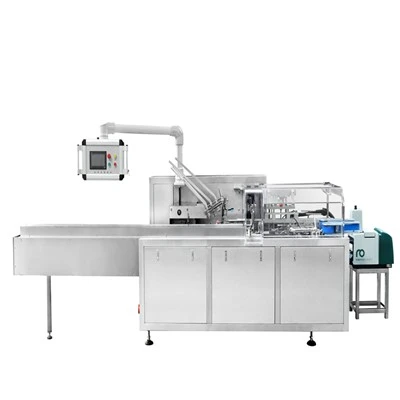
First, let’s talk about why most people think automatic baggers won’t work for construction stuff. If you’ve ever bagged a 50-pound bag of portland cement, you know it’s not like bagging snacks or rice. Construction materials are abrasive—sand has tiny, sharp silica grains that wear on metal parts fast. Some are super fine (fly ash, for example) that will sneak through even the tiniest gaps and clog everything if the machine isn’t sealed right. And then there’s the consistency issue: loose gravel or large aggregate doesn’t flow smoothly like free-flowing granola, so you can’t just hook any bagger up and call it a day. But here’s the thing—engineers who build automatic baggers don’t just make machines for food or pharmaceuticals. They’ve built models specifically for construction-grade materials, and I’ve seen these things run 12-hour shifts with barely a hiccup for some of my clients.
Let’s start with the biggest pain point: abrasive materials like sand, gravel, and concrete aggregate. A standard food-grade bagger has stainless steel hoppers and augers, but stainless steel is soft—after a month of pumping sand, the auger will get grooved, your fill accuracy will drop, and you’ll be wasting product. The baggers I supply are lined with carbon steel or hard chrome plating, which is way more resistant to that gritty stuff. One of my regular clients is a mid-sized concrete plant in Ohio that bags their pre-mix concrete for home improvement stores. They ran a test last year with a regular bagger (borrowed from a competitor) and the auger was shot in 6 weeks. Switched to mine, and 8 months later, they still haven’t had to replace any wear parts on the fill system. The key here isn’t just material choice—it’s the flow rate. Construction materials don’t flow at a constant rate like flour, so the baggers need a variable-speed auger or vibratory feeder to keep product moving without jamming. Too fast, and you get overfilled bags; too slow, and you’re losing money on downtime.
Then there’s the fine powder stuff—portland cement, fly ash, mortar mix. These are dusty, static-prone, and can clog every nook and cranny if the machine isn’t sealed properly. I once had a client in Florida who was bagging bagged mortar for tile work. They tried a cheap bagger that had open gaps around the bag spout, and within a week, the cement dust was caking on the sensors that weighed the bags. The machine started overfilling by 2 or 3 pounds per bag, and they lost hundreds of dollars in product because they had to throw the overfilled ones away. The baggers I supply have fully enclosed metering chambers and dust extraction ports that hook up to your site’s vacuum system. One quick note here—you can’t skip the dust extraction. Not only does it mess up the machine, it’s a safety thing for your workers. Silica dust from sand and cement is a big OSHA hazard, so if you’re bagging this stuff, you need a machine that doesn’t spew dust everywhere. The sealed design of construction-grade automatic baggers helps keep that dust contained, which means you’re not dealing with OSHA fines or workers coughing up dust at the end of the week.
Another big one: bag sizes and types. Construction materials usually come in standard sizes—50-pound cement bags, 80-pound concrete mix bags, 40-pound sand bags. Unlike food products that might come in a bunch of weird sizes, construction needs are pretty consistent, which is actually good for baggers. Most automatic baggers I supply are adjustable for weights between 20 and 100 pounds, so you can switch between sand, cement, and gravel without a lot of hassle. Just a quick change of the bag spout and the weight setting, and you’re good to go. Wait, but what about big aggregate? Like 1-inch gravel? That’s where a lot of baggers fail. The auger system won’t handle big chunks—they’ll get stuck. So for aggregate over ¼ inch, you need a bagger with a different fill method. The ones I have for gravel use a gravity feed system with a vibratory gate, not an auger. The gravel flows into the bag, the gate closes when it hits the set weight, and that’s it. No stuck chunks, no jams. That Ohio concrete plant I mentioned earlier uses the gravity feed for their pre-mix that has small gravel, and they can bag a pallet of 40 bags in less than 10 minutes. Three guys manually bagging that same amount would take at least an hour, and they’d be worn out for the rest of the day.
Now, let’s talk about the real-world benefits for construction companies, because numbers matter. I don’t just sell machines—I tell my clients the hard stats. Manual bagging is expensive. You’ve got to pay hourly wages for people to lift heavy bags, tie them (which takes time—each knot is a few seconds, multiply that by thousands of bags), and you get high error rates. One client in Texas told me their crew was overfilling bags by an average of 2 pounds each because they were rushing to keep up. At $0.05 per pound of cement, that’s $100+ a week in wasted product, not to mention the time they spent retying bags or throwing away overfilled ones. With an automatic bagger, fill accuracy is within ±0.5 pounds, so no waste. And labor? That Texas client went from 5 baggers on the line to 1 person monitoring the machine and palleting bags. They saved around $12,000 a year on labor, and that’s before we even talk about worker comp—lifting heavy bags all day leads to back injuries, which are a huge cost for construction companies. I’ve had two different clients tell me they avoided at least one worker comp claim in the first 6 months of using an automatic bagger because their guys weren’t lifting 50-pound bags nonstop.
But wait—there’s a catch. You can’t just buy any automatic bagger and plop it down in your yard. Construction sites are messy. There’s dust, mud, rain, and power outages. The baggers I supply are built to handle that—they have NEMA-rated electrical components, so they don’t short out if it’s a little damp, and they’re mounted on heavy-duty frames that can handle being moved around a site if you need to reposition it. A lot of my clients use theirs at a fixed production facility, but some small builders use them on a trailer to go to different job sites, bagging materials on demand. That’s a huge plus—you don’t have to have all the bags pre-made in a warehouse; you can make them right where you need them, which cuts down on transportation costs and storage space.
I should also mention maintenance, because that’s a big fear for guys who aren’t tech-savvy. Automatic baggers aren’t rocket science, but you can’t ignore them. The ones I sell come with a simple maintenance schedule—lubricate the moving parts every week, check the seals for dust buildup, and that’s about it. I provide on-site training for every client, and I have a 24/7 support line if something goes wrong. Last year, a client in Illinois had a sensor go out on a Saturday night, and I hopped on a call with their maintenance guy for 20 minutes, walked him through replacing it, and they were back running on Sunday. No downtime, no lost production.
Now, let’s address the elephant in the room: is it worth the upfront cost? I won’t lie—automatic baggers aren’t cheap. A good construction-grade bagger runs between $15,000 and $30,000, depending on the features. But when you do the math, it pays for itself in 1-2 years, depending on how much you’re bagging. Let’s say you bag 10,000 bags a month. Manual labor cost per bag is $0.75 (wages, workers comp, waste), automatic is $0.15 per bag (power, maintenance, operator). That’s a $6,000 a month savings. So even a $20,000 bagger would pay for itself in 3 and a half months. If you’re a large supplier, that number is even bigger. One national construction material retailer I work with uses 12 of my baggers across their distribution centers, and they say they save over $200,000 a year in labor and product waste.
But here’s the thing—this isn’t for every construction business. If you’re a small contractor doing a few jobs a month, bagging 50 bags total, it’s not worth it. The setup time and upfront cost will outweigh the savings. But if you’re bagging 500+ bags a month, whether you’re a small production facility, a job site that needs on-demand bagging, or a distributor, it’s a game-changer. I’ve seen guys go from struggling to keep up with orders to turning down extra work because they can’t bag fast enough. I’ve also seen clients who used to have to store hundreds of pallets of bagged materials, now storing half that because they bag only when they need it.
Let me wrap this up like I would to a guy who’s sitting on the fence, holding a 50-pound cement bag. Yes, an automatic bagging machine can absolutely be used for construction materials—but only if you pick the right machine. The food-grade ones won’t hold up to abrasive sand or fine cement dust. The cheap, knockoff models will break down in a month and leave you with more problems than you had before. You need a machine built specifically for the unique needs of construction materials: wear-resistant parts, dust extraction, adjustable fill weights, and the ability to handle both fine powder and small aggregate. If you get that, you’ll save money, reduce worker injuries, and be able to fulfill orders faster than ever.
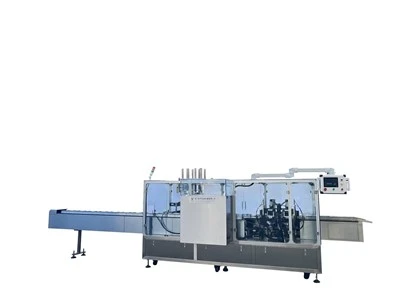
If you’re tired of your crew sweating through manual bagging, wasting product, or dealing with constant breakdowns, don’t guess—reach out. I’ve helped dozens of construction companies find the right bagger for their needs, no sales pitches, no pushy nonsense. We can talk about your specific materials, your bag sizes, how many bags you need a month, and figure out if an automatic bagger makes sense for you. At the end of the day, construction is all about working smarter, not harder—and an automatic bagger is one of the smartest investments you can make for your team and your bottom line.
Drug Bagging Machine References
- Occupational Safety and Health Administration. (2022). Silica Dust Exposure Prevention in Construction. U.S. Department of Labor.
- Construction Materials Handling Association. (2021). Automated Bagging Solutions for Aggregates and Cements. CMHA Technical Bulletin 417.
- National Institute for Occupational Safety and Health. (2020). Musculoskeletal Disorders Prevention in Construction Tasks. NIOSH Publication 2020-112.
- Bagging Equipment Manufacturers Association. (2022). Performance Standards for Construction-Grade Automatic Bagging Machines. BEMA Industry Guideline 8-22.
Zhejiang Tuoyu Packaging Machinery Co., Ltd.
Zhejiang Tuoyu Packaging Machinery Co., Ltd. is one of the most professional automatic bagging machine manufacturers and suppliers in China. With abundant experience, we warmly welcome you to wholesale durable automatic bagging machine made in China here from our factory. Good service and quality products are available.
Address: Workshop No.12, No.11-19, Xinbin Road, Binhai New Area, Pingyang County, Wenzhou City
E-mail: 15868789201@163.com
WebSite: https://www.tuoyupack.com/
