Hey there, if you’ve ever stared at a set of multi spoke wheels and wondered what they’re actually made of—instead of just how cool they look—you’re in the right spot. I’m a supplier of these wheels, and let me tell you, this stuff isn’t just random metal tossed together to look fancy. It’s a mix of science, performance, and little bits of what clients actually ask for. No stuffy jargon here—just real talk about the materials that make multi spoke wheels work, not just look good. Multi Spoke Wheels
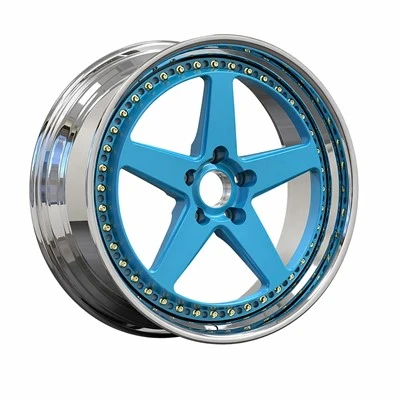
First off, let’s start with the most common one you’ll see out there: aluminum alloy. It’s the workhorse of the multi spoke wheel game, and for good reason. Wait, but not just any aluminum—we’re talking about specific grades, like 6061-T6 or A356. Let me break that down. 6061-T6 is that super strong, heat-treated aluminum that’s lightweight but doesn’t bend easy. It’s my go-to for most street wheels, because drivers don’t want something heavy that’ll kill their gas mileage, but they also don’t want a wheel that’ll crack if they clip a curb. A356 is a bit more cast-friendly, so it’s cheaper for mass production, but still solid enough for regular use.
A lot of people ask me, “Why aluminum instead of steel?” Let’s be real—steel is way heavier. For multi spoke wheels, which have way more spokes than regular 5-spoke designs, keeping weight down is non-negotiable. Too much weight on a wheel makes the engine work harder, hurts handling, and even affects tire life. Aluminum cuts that weight by like 50% compared to the same-sized steel wheel, which is a game-changer for performance cars, daily drivers, even trucks that need multi spoke wheels for that clean look. I’ve had clients come in saying they switched from steel wheels and noticed better acceleration right away—no joke.
But wait, there’s a step I don’t see enough suppliers talk about: the alloy’s makeup. It’s not just aluminum—they add small amounts of magnesium, silicon, copper, even zinc to tweak the properties. Copper adds strength, silicon makes it easier to cast those thin, precise spokes (multi spoke wheels usually have 10, 12, 16 spokes, sometimes more—so casting thin, uniform spokes is tricky). We’re careful with the mix, too; too much of a cheap element and the wheel gets brittle, which is bad. I’ve seen a few off-brand suppliers cut corners here, and their wheels crack after a year or two. That’s why we stick to certified alloys, no shortcuts.
Next up, forged aluminum. This is the fancy stuff for performance cars, track days, and high-end builds. Forged aluminum isn’t just melted metal poured into a mold—it’s a solid billet of aluminum that’s hammered and pressed under extreme heat and pressure. That makes the grain structure of the metal way tighter, so it’s stronger and more durable than cast aluminum. A forged multi spoke wheel can handle way more stress—like if you’re driving over a pothole at 50 mph, or doing hard launches at the track. The downside? It’s pricier, because forging takes way more time and material. But for clients who want the best, no compromises, that’s what we recommend. I’ve supplied forged multi spoke wheels to race teams before, and they swear by them for consistency lap after lap.
Then there’s magnesium alloy. This is the lightweight king of the bunch, but it’s not as common for regular cars because it’s a bit trickier to work with. Magnesium is about 30% lighter than aluminum, so it’s huge for motorsports—think Formula 1, rally cars. But it’s more flammable, more prone to corrosion if not coated right, and way more expensive. I only keep a small stock of magnesium multi spoke wheels for clients who are building track cars or classic race restorations that need that exact weight. Most daily drivers don’t need it, but it’s a solid option when weight is everything.
Wait, what about steel? Yeah, steel multi spoke wheels are still around, mostly for heavy trucks, older work vehicles, or budget builds. They’re super strong, can carry tons of weight, but they’re way heavier than aluminum. I don’t push steel for passenger cars anymore—clients want that multi spoke look but don’t want to feel every bump in the road because the wheel is clunky. That said, for a pickup that’s hauling 2,000 lbs of gear, a steel multi spoke wheel makes sense. It can handle the load without warping, which is a big plus. But again, weight is the tradeoff.
Now, let’s talk about the stuff that’s not the base metal—coatings and finishes. People sleep on this, but it’s what keeps your multi spoke wheels looking good and lasting. Most wheels get a powder coat, which is a dry paint that’s sprayed on and baked on. It’s way more durable than liquid paint, resists chips, scratches, and road salt. We use polyester powder coat for most of our wheels because it holds up to daily driving—no weird peeling after a few months. Some clients want a polished finish, which is when we buff the aluminum to a shiny, mirror-like look. That’s higher maintenance, though—you have to wax it regularly to keep it from getting cloudy from road grime. We also offer clear anodizing, which is a thin, protective layer that’s lighter than powder coat, great for performance builds where weight is still a factor.
Oh, and don’t forget about the spokes themselves. For multi spoke wheels, the spokes aren’t just sticks sticking out—their shape and the material’s properties work together. Thin spokes look sleek, but they need to be strong enough to hold the wheel’s tension, especially if it’s a performance wheel. That’s why we test every batch: we put wheels under pressure to make sure they don’t bend or crack. A lot of new suppliers skip the testing, which is how you end up with a wheel that looks great but fails when you need it most. I test every set before it leaves our shop, so my clients know they’re getting something that’s not just pretty, but reliable.
Wait, do you ever see carbon fiber multi spoke wheels? Yeah, that’s the latest thing for supercars and high-end builds. Carbon fiber is super light, super strong, but it’s tricky to make with multi spokes because each spoke is a separate piece of carbon. It’s also way more expensive—like, a set of carbon fiber multi spoke wheels can cost as much as a used car. I only work with carbon fiber if a client specifically asks for it, because it’s not practical for most people. It’s great for reducing unsprung weight, which is a big deal for top-tier performance, but you have to be careful with it—if it hits a hard curb, it can delaminate, which is a big repair. For regular use, aluminum is still the sweet spot.
Let me also address a question I get all the time: “Do different materials change how the wheel rides?” Totally. Cast aluminum wheels give a smooth, comfortable ride because the material absorbs small vibrations. Forged aluminum is stiffer, so you get better feedback from the road—great for track days, but some drivers say it’s a bit harsher for daily use. Steel is super rigid, so it doesn’t give at all, which makes the ride feel bumpier. Magnesium is even stiffer than forged aluminum, so it’s only for people who want that exact performance feel, no compromise.
Another thing: corrosion. If you live somewhere with a lot of snow and salt on the roads, that stuff eats away at wheels. Aluminum can corrode, but with a good powder coat or anodizing, it’s protected. Magnesium needs a special coating to keep it from corroding way faster—we don’t skip that step when we make magnesium wheels for northern states. Steel? If it’s not coated, it’ll rust in a year. That’s why even steel multi spoke wheels we supply get a powder coat, not just a plain finish.
I’ve been in this game for 10 years now, and I’ve seen materials change. When I started, almost all multi spoke wheels were cast aluminum 6061-T6. Now forged and even carbon fiber are more common, but aluminum is still the mainstay. The key, as a supplier, is matching the material to what the client actually needs. If someone’s building a daily driver on a budget, I recommend cast aluminum. If they’re building a track car, forged. If they’re hauling heavy loads, steel. I don’t push a one-size-fits-all, because that’s how customers end up with a wheel that doesn’t work for them.
Wait, let’s clear up a common myth: more spokes don’t mean a stronger wheel. A lot of people think 16 spokes are way better than 10, but that’s not true. It’s about the material and the design of the spokes. Thin, well-made 10 spokes can be stronger than thick, cheap 16 spokes. I’ve had clients come in wanting more spokes because they think it’s safer, but I explain that it’s not just the number—it’s the material holding those spokes together. That’s where the science comes in, not just aesthetics.
So, to wrap this up (for now), the materials for multi spoke wheels aren’t just about looks. Aluminum alloy (cast and forged) is the most popular for a reason—it’s lightweight, strong, and affordable. Magnesium is for extreme performance, steel for heavy loads, carbon fiber for ultra-high-end builds. The coating you choose matters too, because it’s what keeps your wheels looking good and lasting.
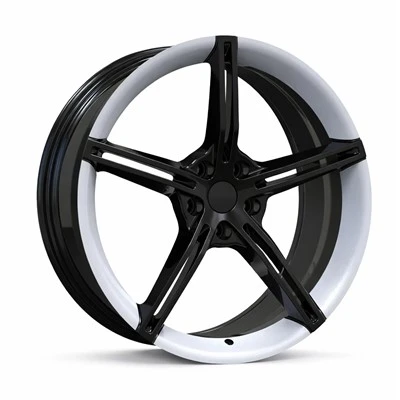
If you’re in the market for multi spoke wheels, whether it’s for your daily driver, a truck, or a performance build, I’ve got you covered. I work with clients all over to find the right material, finish, and size that fits their needs, no matter what. No pushy sales stuff, just straight talk about what works and what doesn’t. Hit me up to chat through your project—let’s get you the wheels that look great and perform even better.
Spoke Wheels References
- "Wheel Materials: A Guide to Aluminum, Steel, and Beyond" – Tire Rack Technical Articles
- "Forged vs. Cast Aluminum Wheels: Key Differences in Strength and Performance" – SAE International Journal of Materials and Manufacturing
- "Magnesium Alloy Wheels for Automotive Applications" – Automotive Engineering International Magazine
- "Carbon Fiber Wheels: Design, Manufacturing, and Performance Considerations" – Composites World
- "Corrosion Protection for Automotive Wheels" – Society of Automotive Engineers (SAE) Handbook
Hurong (Ningbo) Wheels Co., Ltd.
Hurong (Ningbo) Wheels Co., Ltd. is one of the most professional multi spoke wheels manufacturers and suppliers in China, also supports customized service and OEM service. Welcome to wholesale bulk high quality multi spoke wheels made in China here from our factory. If you have any enquiry about cooperation, please feel free to email us.
Address: Floor.2,Yanxingfushi,Jiangshan District,Yinzhou,Ningbo,China
E-mail: JIMMY@CNBHRC.COM
WebSite: https://www.hrc-wheel.com/
