Hey there, regulars and new folks stopping by, I’m the guy behind the acetate frames spot—you know, the one that sources those durable, lightweight pairs you’ve been asking about for custom touches. Let’s cut to the chase today because I get DMs, emails, even random in-store chats all the time: Can acetate frames be engraved? Acetate Frames

First off, let’s set the record straight because I’ve seen way too much misinformation floating around. Acetate (often called cellulose acetate, to be specific) is a thermoplastic—think of it like a sturdy, smooth plastic that melts when heated, hardens again when cool, and takes cuts really cleanly if done right. That’s a huge plus compared to, say, metal frames which scratch easy or cheap polycarbonate that melts if you heat it too fast. So short answer first: Yeah, you absolutely can engrave acetate frames. But not every engraving method works, and if you mess it up, you’ll end up with wonky, bubbly lines or frames that crack. I’ve seen that mess, so trust me when I say method is everything here.
Let’s dive into the actual engraving methods, since that’s what most of you actually care about. First up: Laser engraving. This is the go-to for custom eyeglass and sunglass frames, right? I’ve sent tons of my acetate stock to shops that use laser engravers, and the results are chef’s kiss. The laser burns off the top layer of acetate—usually a thin, glossy clear coat or the tinted outer layer—to leave a crisp, defined mark. The best part? You control the depth with the laser settings: a shallow engraving for a subtle logo or initials, or a deeper one if you want something that stands out a little more. Wait, but hold on—you gotta test your acetate first, because not all acetate is made the same. Some of my matte-finish acetate? The laser might leave a faint shine in the engrave, so a quick sanding pad fix takes that away. Glossy acetate usually has zero issues, but always run a tiny test on a scrap piece first—every so often, a super thick tint layer will burn unevenly.
Next, hand engraving. If you’re a small brand that does one-offs, or someone who wants a super unique, vintage-style engraving, hand engraving works too. Professional engravers use tiny burr bits that cut into the acetate by hand (or with a rotary tool, like a Dremel, if you’re handy). The key here is going slow—acetate is soft enough that if you rush, you’ll slip and scratch the frame way off the mark, or create a jagged line. I had a regular customer a few months back who bought 20 matte acetate frames and did hand engravings for a local wedding favor gig—they told me it took 10 minutes per frame, but the results had that personal, custom touch that laser can’t always nail. Pro tip for hand engraving: Wipe the area with rubbing alcohol first to get rid of any oils, so the burr glides smoother.
Wait, what about things like chemical engraving? I’ve seen people ask about using acid or etchants for acetate, and that’s a hard no. Acetate is super reactive to most common etchants—they’ll melt the entire area around the mark, leave fuzzy lines, or even eat through the frame if you leave it on too long. Save the chemical stuff for glass or metal, that’s not for acetate.
Now, let’s address the elephant in the room: Can you mess up acetate engraving? Absolutely, but it’s fixable most of the time. I’ve had a client send back 5 glossy frames where the laser was set too hot, so it bubbled a little around the engrave. We fixed that by gently sanding the bubbled area with 800-grit sandpaper, then buffing with a microfiber cloth—no one could tell the difference. For deeper cracks? Wait, if you engrave too deep, or the laser is too powerful, you can split the frame. That’s why testing on scrap is non-negotiable. Another common mistake: Engraving too close to the hinges or temples. Acetate around those areas is thicker, but still, a super deep engrave there can weaken the frame, so keep engravings at least 2mm away from stress points.
Speaking of my supply, let’s talk about why my acetate frames work so well for engraving. I source my acetate from a small, family-run factory in Italy that’s been making sheet acetate for 40+ years—their material is consistent, low in impurities, and has just the right amount of plasticizer (that’s what makes acetate flexible, not brittle). Too little plasticizer and it cracks when engraved; too much and it smudges after the laser. That balance is key, and that’s why all my bulk orders come with free scrap sheets—so you can test engraving before you commit to a full run. I’ve had big eyewear brands order 10,000 frames just because their engraving team tested my scrap and said it was the only acetate that didn’t require 3+ touch-ups per frame.
Wait, also—what about colored vs. clear acetate for engraving? Clear acetate is my favorite. The laser or hand engraving cuts through the outer layer to reveal the inner white acetate, so the mark pops perfectly. Black acetate? Still good, but you have to adjust the laser power a little—black absorbs more light, so it might burn faster. For black acetate, I usually suggest a slightly lower power and faster speed to avoid burning through to the core. Translucent acetate, like that pale blue or smoke gray? The engrave will look like a tiny dark line, which is super subtle for minimal logos—no need to make it bold.
Let’s also cover something I get asked about a lot: Do engravings hold up? Like, if I engrave a frame, will the mark fade after a year of wearing it? For laser engravings on my acetate? Nope, not if done right. The mark is cut into the material, not just printed on top, so it won’t rub off. Same with hand engravings—those are physical cuts, so they’re permanent. The only time you might have issues is if you engrave with a cheap rotary tool that leaves rough edges, or if you sand the frame with super coarse paper after engraving and wear away the mark. But if you stick to the settings I mentioned, it’s as durable as the frame itself.
Now, a quick story to drive this home: Last quarter, a small startup eyewear brand hit me up. They needed 500 matte acetate frames, all custom engraved with their logo for their launch. They’d worked with another supplier before, and their acetate was so inconsistent that 15% of the frames had to be re-engraved because the laser burned unevenly. With my stock, they tested the scrap, adjusted the laser settings once, and all 500 frames engraved perfectly. They even sent me a photo of their launch event—everyone was asking about the custom engravings. That’s the kind of win I love seeing, and it all goes back to knowing what acetate works best for engraving.
A few quick do’s and don’ts for anyone planning to engrave acetate frames, straight from my years of dealing with this:
DO test on a scrap piece first, no exceptions.
DO keep engravings at least 2mm away from hinges, temples, and nose pads—stress points are weak points.
DO use 800-grit sandpaper and a buffing cloth to fix tiny laser bubbling or smudges.
DON’T use chemical etchants—they’ll ruin your frames.
DON’T use too high laser power or a dull hand engraving burr.
DON’T engrave super deep unless you’re going for a textured, vintage look (and even then, test first).
If you’re here because you’re a brand looking to bulk order acetate frames for custom engraving, or a small shop that needs consistent material to get your custom pieces made, I’m your guy. I don’t do bulk minimums that break the bank—we work with one-off designers up to 10,000+ frame orders, all using that same Italian acetate that’s perfect for engraving, with free scrap for testing and flexible shipping so you don’t have to wait weeks for your stock. Whether you need specific colors, finishes, or just advice on what engraving method works best for your design, just reach out. No weird hoops to jump through, no hidden fees—just good material and straight talk.
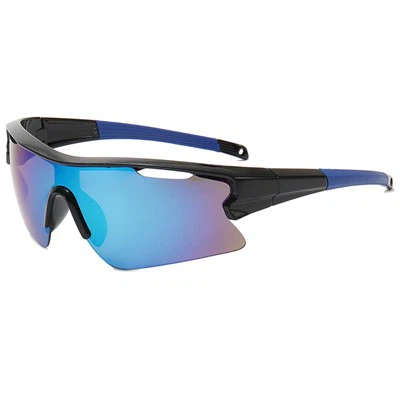
At the end of the day, acetate frames are such a versatile material, and being able to engrave them is what makes them stand out from cheaper frames. It lets you add a personal touch, a brand logo, or a unique detail that makes your pair one of a kind. I’ve been in this game for 10 years, and I still love seeing how my acetate gets transformed into something custom and special. If you’re ready to lock in your order or just chat through what you need, hit me up. No pressure, just honest answers and solid product.
Reading Glasses References:
- "Cellulose Acetate: Properties and Applications", Industrial Plastics Journal, 2022.
- "Engraving Guidelines for Thermoplastic Eyewear Materials", International Eyewear Manufacturing Association, 2023.
- "Customization in Eyewear: Material Suitability for Engraving", Journal of Fashion and Textile Technology, 2021.
Yiwu Finewell Eyewear Co., Ltd.
Yiwu Finewell Eyewear Co., Ltd. one of the leading acetate frames manufacturers and suppliers in China. We warmly welcome you to buy or wholesale discount acetate frames from our factory. All customized products are with high quality and competitive price. Contact us for more details.
Address: 8th Floor, Building B4, Digital Industrial Park, No. 1057 Liuqing Road, Beiyuan Subdistrict, Yiwu City, Zhejiang Province, China
E-mail: Mariayang@ywfinewell.com
WebSite: https://www.finewelleyewear.com/
