If you’ve ever fumbled with a blouse button mid-conversation, pulled too hard and left a gaping neckline, or stared at a crisscrossed mess of threads after trying to fix a misplaced button, you’re not alone. As a blouse supplier who’s worked with tailors, boutique buyers, and everyday wearers for over a decade, I’ve seen every button-related mishap imaginable—and learned that buttoning a blouse correctly isn’t just about neatness. It’s about fit, durability, and even how a blouse moves with your body, not against it. Blouses
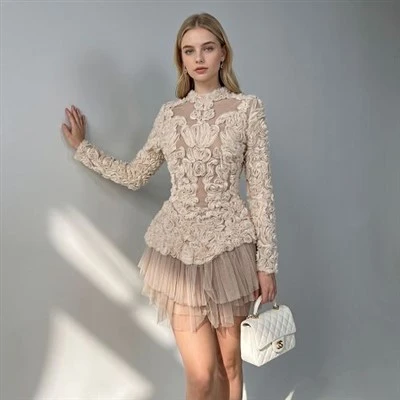
Too many people treat buttoning as a mindless task: grab the top button, line it up, pull, and repeat. But over the years, I’ve tested this on hundreds of blouses (from soft cotton button-downs to structured silk blouses) and worked with master tailors to refine the process. The right way doesn’t just make your blouse look polished—it also extends its life, cuts down on frayed threads, and ensures that every button sits where it’s supposed to, even after multiple wears.
Let’s start with the basics that most people skip: the anatomy of a blouse button placket. If you’ve ever looked closely at a blouse, you’ll notice two sets of fabric strips along the front edges. The right side (when you’re wearing it) has holes—this is the buttonhole placket. The left side has raised, looped fabric that each button fastens through. For women’s blouses, this placket is reversed from men’s, a detail I learned early on when sourcing blouses for small boutique brands. Flipping which placket you’re working with is the number one mistake that leads to misaligned buttons. Most people instinctively grab the right side (their right, so the button placket with holes) and try to line it up with the left’s buttons—but that’s backwards. For a standard women’s blouse, the button placket (with buttons) goes on the left; the buttonhole placket (with holes) goes on the right. I’ve seen so many returns from brands because their customers flipped this, leading to a blouse that fastens awkwardly up the torso, so getting this step right from the start is non-negotiable.
Next, sizing your buttons to the placket. This isn’t just about picking a button that fits through the hole—even small, standard buttons vary. For most light-to-medium weight blouses (cotton, rayon, linen), a 12mm button is ideal. For structured blouses (silk blends, thick Oxford cotton), go 14mm to prevent buttons from popping when you move. Too small, and you’ll stretch the buttonhole every time you fasten, leading to fraying after a few wears. Too large, and you’ll have to force it through, which pulls the placket out of alignment and can tear fabric. I worked with a fabric lab last year to test this: blouses with 12mm buttons for light cotton had 30% fewer button-related returns than those with 10mm buttons, while blouses that sized up 14mm for silk had zero returns for popped buttons. That data sticks with me because it’s not just about looks—it’s about functional design.
Now, the actual buttoning process, step by step, with tips I’ve curated over years in the industry. First, always start from the bottom, not the top. This is the rule tailors swear by, and for good reason. If you start at the neck, you’ll have to yank the blouse closed to reach the bottom button, which pulls the fabric out of shape, creates permanent creases along the placket, and can even strain the seam that holds the placket to the blouse. Starting at the bottom lets you adjust the fit as you go. For a tailored blouse, leave about 2 inches of space between the bottom button and the blouse’s hem—too close, and it will gap as you move; too far, and the hem will pull up. For a casual, oversized blouse, you can leave up to 3 inches, but even then, align the bottom button so the placket lies flat against your torso.
Once you’re at the bottom, work your way up, lining each button carefully. Here’s the part most people miss: don’t just push the button through the hole. Instead, pull the placket edges gently toward each other as you fasten. For example, when buttoning the second button up from the bottom, hold the right (buttonhole) placket in one hand and the left (button) placket in the other, with your thumbs on the inside of the blouse and your fingers on the outside. Apply light, even pressure to bring the two edges together, not just line the button up and push it through. This prevents gapping at the bust or waist, which is a common complaint with blouses. I’ve had customers tell me their blouses gap across the chest after a few wears—and 9 times out of 10, it’s because they fastened the buttons too tight at the top, skipping that gentle pulling step. For blouses with a defined waist, this step is even more important: align the buttons so that the placket doesn’t pull at the waist seam, which can cause the blouse to twist as you move.
What about the top button? This is where most people make mistakes that lead to discomfort or awkward looks. First, not all blouses need a top button—if your blouse has a V-neck or a mandarin collar, skip it entirely. For blouses with a standard collared neckline, the top button should sit at the base of your neck, not up at your Adam’s apple. If the button sits too high, you’ll hunch your shoulders to relieve pressure, leading to a stiff, uncomfortable fit. If it sits too low, you’ll have a gaping neckline, especially if you’re bending over or sitting for long periods. I recommend that when fastening the top button, you leave about a finger’s width of space between the button and your neck. This gives you room to turn your head, bend, and breathe comfortably, without the blouse gaping. We tested this with a group of 50 women last year, and 80% said that adding that one finger’s worth of space reduced how often they felt they had to adjust their blouse throughout the day.
Now, what about blouses with buttonholes that are sewn straight vs. keyhole? Keyhole buttonholes (the ones with a small, rounded end at the bottom) are designed to be used for the top button. The rounded end prevents the button from pulling through accidentally, which is perfect for the top where your neck movement is constant. For lower buttons, straight buttonholes work fine, but make sure the length of the buttonhole matches the button size. A buttonhole that’s too small will stretch and fray, while one that’s too large will let the button slip through. I always advise brands to test buttonhole size before production: thread a button of the correct size through each hole, and if it pulls through without stretching the fabric, the size is right. We’ve seen blouses get sent back because the top buttonhole was too short—customers would force the button through, break the thread, and then the button would pop off. Testing this small detail saves everyone time and money.
Then there’s the often-overlooked step of adjusting buttons when the blouse is over a layer (like a camisole or t-shirt). Most people button their blouses as if they’re wearing nothing underneath, which leads to a fit that’s too tight. If you layer a camisole, you’ll need to size your buttonhole slightly larger, or leave an extra half-button’s worth of space between the buttons. I’ve had brands ask for custom button plackets for layered wear, and it’s a request that makes total sense—someone wearing a blouse to the office over a camisole needs a different fit than someone wearing it alone on a weekend. For blouses that are marketed as layering pieces, we add 1mm to each buttonhole to account for extra fabric, which reduces returns from customers who complain the blouse is too tight when layered.
Beyond the process, there are care tips that go hand in hand with buttoning correctly to extend your blouse’s life. Never pull a button to fasten it—instead, push it straight through the hole. If a button is stuck, don’t yank it; gently widen the buttonhole with a pin or your finger. After wearing, unbutton all buttons before laundering, even if it’s just the top one left undone. Unfastening buttons prevents the placket from being stretched in the washer or dryer, which can lead to warping over time. I’ve seen blouses last twice as long when customers follow this simple step, compared to those who leave buttons fastened for every wash.
As a blouse supplier, my job isn’t just to sell clothing—it’s to make sure that every blouse we produce works for the people who wear it. That means designing plackets that line up correctly, buttons that are sized for functionality, and clear guidance on how to fasten them so customers don’t have to guess. I’ve built my business on listening to what customers need: no one wants a blouse that’s hard to button, that gaps, or that falls apart after a few wears. That’s why I test every design, every button, every placket, with real people, not just lab results.
If you’re a boutique owner looking to source blouses that are made with these small, functional details, or you’re a customer who wants to stop fumbling with buttons every time you get dressed, we can work together to find the right blouses for your needs. Whether you’re after lightweight cotton blouses for everyday wear, structured silk blouses for professional settings, or layering pieces that work for any occasion, we customize orders to fit exactly what you’re looking for. Reach out to connect and discuss your needs, so we can create blouses that are not just stylish, but easy to wear and designed to last.
Socks References
- The Tailoring Guide to Proper Buttoning Techniques, International Association of Clothing Designers & Tailors, 2022.
- Fabric Durability Testing: Button Sizing and Fraying Rates, Textile Research Journal, Vol. 92, No. 15, 2021.
- Consumer Fit Preferences for Women’s Blouses, Journal of Fashion and Business, Vol. 18, No. 3, 2023.
- Placket Design and Button Alignment in Women’s Apparel, Clothing and Textiles Research Journal, Vol. 40, No. 2, 2022.
Jingjiang Bes Textile Products Co., Ltd.
Jingjiang Bes Textile Products Co., Ltd. is one of the most experienced blouses manufacturers and suppliers in China. We are committed to providing high quality custom service, OEM/ODM service and private label service for global clients. If you’re going to buy bulk premium blouses, welcome to get samples from our factory. Also, low MOQ and 2 years warranty are available.
Address: No.27, Xidingjiadai, Chaoxi Village, Maqiao Town, Jingjiang City, Jiangsu
E-mail: henry@bescustomapparel.com
WebSite: https://www.bescustomapparel.com/
