If you’ve ever worked in industrial facilities, commercial buildings, or power distribution networks, you know how critical switchgear is to keeping operations running. Switchgear is the backbone of electrical systems—it controls, protects, and isolates electrical equipment, preventing overloads, short circuits, and other faults that can shut down production, cause costly downtime, or even pose safety risks. But what happens when a switchgear unit breaks down unexpectedly? Historically, facility teams relied on periodic manual inspections or reactive maintenance after a failure, both of which come with major downsides. That’s where remote monitoring of switchgear comes in. Switchgear
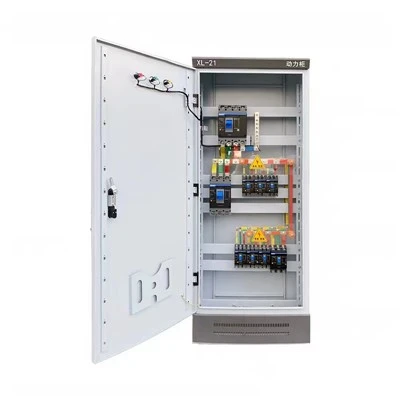
As a switchgear supplier, I’ve seen firsthand how outdated maintenance practices can derail a business. Last year, I visited a manufacturing plant that had to halt a $200k production run because a critical switchgear unit failed without warning. The problem? Their team only inspected the equipment once a year, and a loose connection burned out between inspections. That’s exactly the gap remote monitoring is designed to fill. It’s not just a tech buzzword—it’s a proactive approach that keeps electrical systems reliable, efficient, and safe.
Let’s break down what remote monitoring of switchgear actually is, how it works, and why it’s a game-changer for any operation that depends on steady power. At its core, it’s the practice of using digital sensors, communication tools, and software to track switchgear performance in real time, from a remote location. Instead of sending a technician to a facility to check on a unit every few months, you get constant updates on everything from temperature and current flow to vibration levels and partial discharge (PD)—the tiny electrical leaks that are often the first sign of a pending fault.
Here’s how the technology comes together. Modern switchgear is fitted with small, non-intrusive sensors that attach to key components: busbars, circuit breakers, insulators, and contactors. These sensors capture raw data at regular intervals—sometimes every few seconds—and transmit it securely to a cloud-based platform or on-site server. The platform uses algorithms to analyze the data, compare it against pre-set performance baselines, and flag anomalies before they turn into failures. For example, if a busbar’s temperature spikes 10 degrees above its normal operating range, the platform will send an alert to your maintenance team via email, text, or mobile app, letting them investigate the issue before it causes a breakdown.
I want to be clear: remote monitoring isn’t only for large industrial plants. We’ve installed systems for small commercial buildings, data centers, and even agricultural operations, and the value is consistent across all sizes. A retail chain with 12 stores spread across three states, for instance, used to spend $15k a year on travel for quarterly switchgear inspections. After implementing our remote monitoring solution, they cut inspection costs by 70% and eliminated two unplanned outages in one year. That’s the kind of return on investment (ROI) that’s hard to ignore.
One of the biggest myths I hear from potential clients is that remote monitoring is too complicated or expensive for their setup. But today’s systems are modular and scalable—you don’t have to replace your entire switchgear to add monitoring. We can retro-fit almost any existing low- or medium-voltage switchgear unit with sensors, or integrate monitoring into new units when you order from us. The technology has come a long way in the last five years; modern platforms are user-friendly, with dashboards that even non-technical facility managers can navigate. No need for a dedicated IT team to run it—just basic training, and you’re set.
Now, let’s talk about the key metrics remote monitoring tracks, because that’s what makes it so useful. First, temperature monitoring is non-negotiable. Overheating is the leading cause of switchgear failures, and it’s often invisible until it’s too late. A loose connection, corroded terminal, or overloaded circuit can cause localized heating, which can melt insulation, damage components, or spark a fire. Our sensors measure temperature at multiple points on the switchgear, so you can spot hot spots before they escalate.
Vibration monitoring is another critical metric. Switchgear components like circuit breakers and contactors move as they operate, and abnormal vibration can indicate wear, misalignment, or loose parts. For example, if a breaker’s operating mechanism starts to vibrate more than usual, that could mean a spring is weakening, and the breaker may fail to trip during a fault. Catching that early means you can replace the part during a scheduled maintenance stop, not in the middle of a crisis.
Partial discharge monitoring is a more specialized metric, but it’s incredibly valuable for medium-voltage switchgear. PD occurs when electricity leaks through insulation, often due to aging, contamination, or damage. Over time, PD erodes insulation, leading to short circuits or complete failure. Remote monitoring can detect even tiny PD signals, giving teams months of warning to replace components before a major fault. We recently worked with a utility company that detected a PD issue in a 15kV switchgear unit three months before it would have failed, saving them an estimated $500k in outage costs.
Current and voltage monitoring rounds out the core set of metrics. It lets you track how the switchgear is handling the electrical load, so you can adjust operations to improve efficiency. For example, if you notice a switchgear unit is running at 80% load consistently, you might redistribute some of the circuit’s load to reduce strain, extend the equipment’s lifespan, and lower energy costs.
Beyond real-time alerts, remote monitoring offers other benefits that add up over time. Predictive maintenance is the biggest one—instead of following a fixed schedule (which can waste money on unnecessary repairs or miss issues between inspections), you only perform maintenance when the data shows it’s needed. A study from the Electrical Power Research Institute (EPRI) found that predictive maintenance can reduce maintenance costs by 25-30% and cut unplanned outages by up to 70%. That’s a huge difference for any business.
Remote monitoring also improves safety. Technicians don’t have to work in potentially hazardous environments—like high-voltage switchgear rooms during active operations—to perform inspections. Alerts let you schedule maintenance during off-hours, when the facility is less busy, reducing risk for your team and minimizing disruption. We’ve had clients tell us that remote monitoring has cut their maintenance-related incidents by 80%, which is priceless for any facility focused on worker safety.
Another often-overlooked benefit is compliance. Many industries—including utilities, manufacturing, and healthcare—are required to maintain detailed records of electrical equipment performance for regulatory purposes. Remote monitoring automatically logs all performance data, audit trails, and maintenance actions, so you can easily generate reports for regulators if needed. No more manual record-keeping, which is time-consuming and prone to errors.
Now, I want to address a common question: is remote monitoring reliable? It’s a fair concern, because you’re relying on a digital system to keep your power running. The short answer is yes, when it’s implemented correctly. At our company, we design our remote monitoring systems with redundancy and security in mind. Sensors are powered by long-lasting batteries (some last up to 10 years) or tied to the switchgear’s power supply, so they rarely fail. Data transmission uses end-to-end encryption, so your sensitive electrical system data is never exposed. And if there’s a temporary network outage, the sensors store data locally and transmit it once the network is back, so you never lose performance records.
We also offer 24/7 support for all our monitoring systems. Our team of electrical engineers is available to help you interpret alerts, troubleshoot issues, and adjust your maintenance plan as your facility changes. Last quarter, a client in Texas had a network outage during a storm, and our support team stepped in to confirm their switchgear was operating normally, giving them peace of mind during the event.
I’ve talked a lot about the benefits, but let’s be honest: remote monitoring isn’t for every facility. If you have a small, low-voltage switchgear unit in a residential setting, the ROI might not justify the cost. But for any commercial or industrial facility where downtime costs thousands of dollars per hour, it’s an investment that pays for itself quickly.
If you’re considering adding remote monitoring to your switchgear, here are a few steps to get started. First, conduct an assessment of your current switchgear. Our team can come to your facility to evaluate your equipment, identify the best places to install sensors, and recommend a monitoring system that fits your budget and needs. Second, set clear performance baselines. Every switchgear unit is a little different, so we’ll work with you to define what “normal” looks like for your equipment, so alerts are meaningful and not just false positives. Third, train your team to use the platform. We provide hands-on training for all clients, so you feel confident navigating the dashboard, responding to alerts, and using the data to make better maintenance decisions.
I’ve been in the switchgear industry for 18 years, and I’ve seen how technology has transformed the way we approach electrical maintenance. When I started, remote monitoring was a niche technology only for large utilities, but today it’s accessible to every facility that wants to reduce downtime, cut costs, and improve safety. At our company, we don’t just sell switchgear—we partner with clients to ensure their equipment works for them, not against them. Our remote monitoring solutions are designed to integrate seamlessly with your existing systems, and our team is here to support you every step of the way.
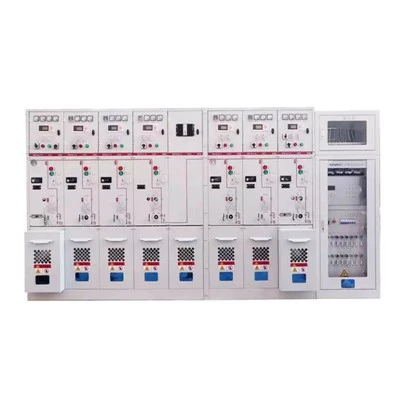
If you’re tired of reactive maintenance, unplanned outages, and rising inspection costs, remote monitoring is the solution. To discuss how our remote monitoring systems can work for your specific facility, reach out to our team to schedule a consultation. We’ll walk you through your options, answer your questions, and help you find a solution that fits your needs and budget.
Voltage Stabilizer References
- Electrical Power Research Institute (EPRI). (2022). Predictive Maintenance for Electrical Infrastructure: Cost Savings and Outage Reduction Metrics.
- International Electrotechnical Commission (IEC). (2021). Standard for Remote Monitoring of Low and Medium Voltage Switchgear (IEC 62271-200).
- National Fire Protection Association (NFPA). (2020). Electrical Safety in the Workplace: Best Practices for Switchgear Maintenance.
- Switchgear Engineering Association (SEA). (2023). The Business Case for Remote Monitoring in Industrial Power Systems.
Wenzhou Mingyue Electric Co., Ltd.
As one of the most professional switchgear manufacturers and suppliers in China, we have world-leading production equipment and strong manufacturing capabilities. Please feel free to wholesale durable switchgear in stock here and get quotation from our factory. We also accept customized orders.
Address: No.16, Zhongsan East Road, Donghuangyu Village, Liushi Town, Yueqing City, Wenzhou City, Zhejiang Province
E-mail: Hu17687922780@outlook.com
WebSite: https://www.cn-mingyue.com/
