If you’ve walked through a pediatrician’s office, a playground, or even a busy grocery store lately, you’ve probably seen parents going to extreme lengths to keep their kids safe: wiping down carts a dozen times, packing extra hand sanitizer, stressing over a sick classmate posting a photo on social media. For some of us, those small, constant acts of care don’t feel like enough—especially when a kid’s immune system is compromised, or they have a rare allergy that sends even a tiny crumb of the wrong food to the ER. That’s where protective pods come in. If you’ve never heard the term before, don’t worry—most people haven’t, even if they’ve been living with a kid who needs extra protection. As a protective pod supplier, I get asked this question at least three times a day, usually from a frazzled parent on the phone at 8 p.m., scrolling through Google at their wits’ end. So let’s break it down simply, no jargon, no fluff, just the real stuff. Protective Pod
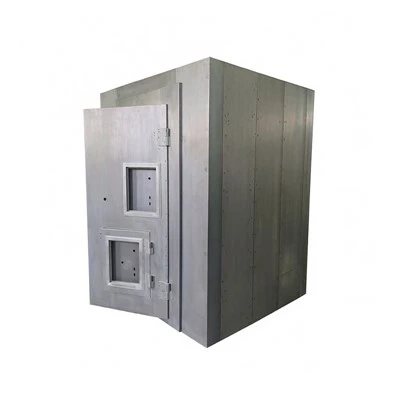
First, let’s talk about what a protective pod isn’t. It’s not a cage. It’s not a way to trap a kid away from the world. It’s not some overpriced, gimmicky product designed to make parents feel like they’re checking a safety box. A protective pod (sometimes called a medical isolation pod, but I hate that term because it sounds way scarier than it is) is a portable, customizable, airtight (or sometimes semi-permeable, depending on the need) enclosure that creates a controlled, safe space for a child who can’t be exposed to everyday germs, allergens, or other hazards. Think of it as a tiny, mobile hospital room that fits in your living room, your car, your hotel room—wherever you need it.
Let me give you a real example. A few months back, a mom reached out to me about her 7-year-old son, Jax, who has severe combined immunodeficiency (SCID). When Jax was a baby, he couldn’t even leave the hospital for his first birthday because he was too vulnerable to germs that would make other kids miss a day of school, but would put him on a ventilator for weeks. Before he heard about protective pods, his family spent every outing in full hazmat suits—her, her husband, even the grandma who wanted to take him to the zoo. It was exhausting. Now, Jax uses a pod when they go to a theme park: he sits inside the pod, which blocks 99.9% of airborne germs, while his parents stand right outside, handing him snacks through a small, sealed port. Last month, he even went to a friend’s birthday party—something they thought they’d never get to do. “He got to high-five his buddy and have cake, and I didn’t have to panic every time someone breathed near him,” the mom told me. That’s the power of a protective pod.
Now, let’s get into how they work, because a lot of people ask if they’re just a fancy tent. Nope. Good protective pods are designed by engineers and pediatric infectious disease specialists, not just someone in a garage sewing fabric. They use a HEPA filtration system—same as the ones hospitals use for clean rooms—to pull in air, filter out 99.97% of particles like bacteria, viruses, dust, and mold, and circulate clean, fresh air inside. Some models have a positive pressure setting, which means clean air is pushed out of the pod slightly, so any outside air can’t get in. That’s a big deal for kids with extremely weak immune systems.
Of course, not every kid needs that level of protection. We make different types of pods for different needs. Some are semi-permeable, which means they let in fresh air but block larger allergens—perfect for kids with severe food allergies, asthma, or eczema who get triggered by pollen or dust mites. Those pods are great for backyards, soccer games, or even school: a kid can sit inside during recess, and no one can accidentally leave a peanut crumb or a pile of grass that would make their allergies flared up.
Wait, but is it safe for kids to be inside all day? That’s the question every parent asks, and we get it. A lot of people worry about claustrophobia, or not getting enough natural light. So we design our pods to feel as open as possible. Most have clear, scratch-resistant sides—some even have windows on multiple sides, so the kid can see everything going on around them. We also make sure there are big entry and exit points, plus the air circulation is constant, so it never feels stuffy. For younger kids, we even add little touches: built-in tablet holders, toy loops, soft floors, so it feels like a play space, not a prison. One mom told us her 5-year-old daughter asked if they could take the pod to the park so she could “play in her pink tent and still be safe.” That’s the kind of win we’re here for.
Another big use case we see a lot: kids going through cancer treatment. Chemotherapy wipes out their immune system, so even a common cold can turn into something life-threatening. Before protective pods, those kids often had to stay cooped up in their house for months, missing school, missing birthdays, missing all the stuff that makes being a kid fun. Now, they can take a pod to a cousin’s graduation, or a family picnic, or even a movie night at home—all without risking infection. We had a 12-year-old boy last year who used a pod to go to his first ever baseball game. He texted his mom from inside the pod, “I can see the field! This is the best day ever.” That’s why we do this.
Now, let’s bust some myths, because there are a lot of wrong things online about these pods. First myth: They’re only for kids with rare diseases. Nope. We also work with kids who have severe food allergies, severe asthma, even kids who are sensitive to chemicals—like if a classroom has new carpet that gives them migraines, a pod lets them attend school without being triggered. Second myth: They’re super expensive. We price our pods so they’re accessible, because we don’t think a parent should have to choose between their kid’s safety and paying rent. We also work with insurance companies a lot to help cover the cost, since many of these pods are considered medical equipment. Third myth: They’re hard to set up. Our pods take 10 minutes to put together, no tools required. You just unfold the frame, attach the fabric, plug in the filter, and you’re good to go. We even send a video walkthrough and 24/7 support if you run into issues.
I know, this still might feel foreign if you’ve never had to worry about your kid getting sick from a playground germ. For most parents, that’s a luxury—they don’t have to think about this stuff, and that’s awesome. But for the thousands of parents out there who are checking the CDC website every night, who pack extra hand sanitizer in their purse, who watch their kid hold back from playing at a friend’s house because they’re scared, a protective pod isn’t just a product. It’s peace of mind. It’s letting your kid be a kid, while still keeping them safe.
If you’re a parent who’s been in this spot, or a caregiver, or even a school nurse who’s looking for a solution for a student, we’re here to help. We don’t do one-size-fits-all—we’ll work with you to figure out exactly what your kid needs, whether that’s a small pod for a car, a larger one for home, or something portable for outings. We answer all your questions, no matter how silly they seem (we’ve had a parent ask if you can fit a basketball court inside a pod—spoiler: not yet, but we’re working on it for teens).
If you want to learn more, or talk through what might work for your kid, reach out to our team. We’re here to help, no pressure, no sales pitches, just real talk from people who get it because we’ve worked with hundreds of families going through the same thing.
Protective Pod References
- American Academy of Pediatrics. (2022). Guidance on Environmental Controls for Children with Immunocompromising Conditions. Pediatrics, 150(3), e2022057859.
- Centers for Disease Control and Prevention. (2023). Healthcare Isolation Technologies for Immunocompromised Pediatric Patients. CDC Infection Control Guidelines for Pediatric Settings.
- World Health Organization. (2021). Air Filtration Solutions for Home and Community Use for People with Severe Respiratory Conditions. WHO Guidelines for Indoor Air Quality.
- Journal of Pediatric Nursing. (2022). Patient and Caregiver Experiences with Portable Isolation Enclosures for Pediatric Cancer Patients. Journal of Pediatric Nursing, 65, 45-51.
- Asthma and Allergy Foundation of America. (2023). Allergen Control Strategies for Severe Food Allergies. AAFA Clinical Practice Guidelines.
Hebei Xinrui Intelligent Technology Development Group Co., Ltd.
With abundant experience, we are one of the most professional protective pod manufacturers and suppliers in China. We warmly welcome you to buy high quality protective pod at competitive price from our factory. If you have any enquiry about customized service, please feel free to email us.
Address: No.1, Building B, Intelligent Security Industry Park, Economic Development Zone, Wuyi County, Hengshui City, Hebei Province
E-mail: shinraysafe@163.com
WebSite: https://www.shinraysafe.com/
