Hey there! I’m a supplier of soup cups, and I’ve been getting tons of questions lately about how many ounces are in a standard soup cup. It’s a pretty common query, especially for restaurants, cafes, and anyone who serves soup regularly. So, I thought I’d take a moment to break it all down for you. Soup Cup
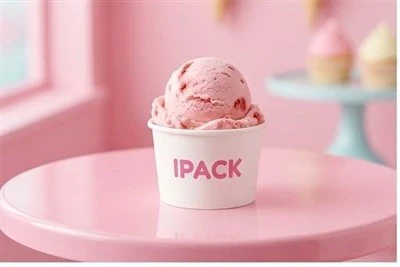
First off, let’s talk about what we mean by a "standard" soup cup. There isn’t really a one – size – fits – all answer here because the size can vary depending on a few factors. In the United States, a typical soup cup you’ll find in a diner or a casual eatery is often around 8 to 12 ounces. This size is great for a single – serving of soup, whether it’s a hearty vegetable stew or a light chicken broth.
I remember when I first started getting into the soup cup business. I was working with a small local cafe, and they were looking for the perfect cup for their daily soup specials. They were leaning towards the 8 – ounce option because they wanted to offer a side soup with their sandwiches. The 8 – ounce cup was just the right amount for customers to get a taste without feeling too full before their main course.
But then, I also dealt with a big restaurant that was all about serving large portions. They needed a 12 – ounce cup. Their customers were used to getting a big bowl of soup, and they wouldn’t have been satisfied with anything less. So, it really depends on your target audience and what you’re aiming to serve.
Now, if we look at the metric system (which is used in many parts of the world outside the US), things get a bit different. Ounces are a US customary unit, and in the metric system, we’re more used to liters or milliliters. An 8 – ounce soup cup is approximately 236.59 milliliters, and a 12 – ounce cup is about 354.88 milliliters. Knowing these conversions can be super helpful if you’re dealing with international suppliers or if you’re trying to read labels on soup ingredients that come in metric measurements.
Another thing to consider is the type of soup you’re serving. Creamy soups, like potato leek or tomato bisque, are usually served in smaller portions. This is because they’re rich and heavy, and a little goes a long way. For these kinds of soups, an 8 – ounce cup is often more than enough. On the other hand, thin, brothy soups, such as miso or chicken noodle, can be served in larger quantities. A 12 – ounce cup might be the way to go here, as customers can slurp up more of that delicious broth without feeling overwhelmed.
I’ve also noticed that the shape of the soup cup can play a role in how much it can hold. A wide – mouthed cup might seem bigger visually but could actually hold less liquid compared to a narrower – mouthed cup of the same height. For example, I once had a client who wanted a cup with a trendy, wide – open top for their soup. It looked great, but after some testing, we found that it held about an ounce less than a more traditional, narrower – mouthed cup. So, when you’re choosing a soup cup, don’t just go by looks. Make sure you’re really getting the volume you need.
When it comes to packaging and transportation, the size of the soup cup matters too. If you’re using a larger 12 – ounce cup, you’ll need more space in your delivery trucks and storage areas. Smaller 8 – ounce cups are more compact, which can save you money on shipping and storage costs in the long run. But of course, if your customers expect a big bowl of soup, you can’t skimp on size.
I’ve had a few clients who were worried about the environmental impact of their soup cups. We’ve been working on developing more eco – friendly options. For example, we have some cups made from recycled materials that can hold either 8 or 12 ounces. These cups are just as sturdy as the regular ones, and they’re a great way to show your customers that you care about the planet.
As a soup cup supplier, I’ve helped businesses of all sizes find the right cup for their needs. Whether you’re a brand – new startup or an established chain, I know how important it is to get the sizing just right.
If you’re in the market for soup cups, think about your customers’ preferences, the type of soup you’re serving, and your storage and transportation constraints. And if you’re still not sure how many ounces are best for your business, don’t hesitate to reach out. We can work together to figure out the perfect solution for you.
I’ve been in this business for a while, and I’ve seen all sorts of trends come and go. But one thing that never changes is the need for a great – fitting soup cup. So, if you’re ready to take your soup – serving game to the next level, let’s have a chat. I’d love to help you find the best soup cups for your establishment, whether it’s 8 ounces, 12 ounces, or something completely different.
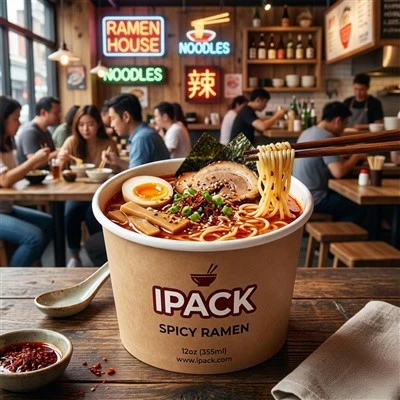
Don’t let the size of the soup cup be a headache. Let’s make it a simple and enjoyable process. Contact me, and we can start discussing your specific requirements. Whether you’re looking for a one – time order or a long – term supply contract, I’m here to make it happen.
Paper Cup References:
- "Foodservice Packaging Institute – Cup Sizes and Standards"
- Conversions from US customary units to metric system: General knowledge of unit conversions in the culinary and packaging industries.
Wuhan Xinyongan Industry and Trade Co., Ltd.
Wuhan Xinyongan Industry and Trade Co., Ltd. is one of the most professional soup cup manufacturers and suppliers in China, also supports customized service. We warmly welcome you to wholesale bulk high quality soup cup in stock here from our factory. If you have any enquiry about pricelist, please feel free to email us.
Address: No. 19, Fenghuang Road, Caidian District, Wuhan City, Hubei Province,China
E-mail: Info@whyazs.com
WebSite: https://www.ipackpartner.com/
