If you’ve ever been mid-morning commute or pre-gym workout, reaching for your go-to stainless steel tumbler only to find the lid is glued shut tighter than a summer ice cream container to a sidewalk, you know the frustration all too well. As a tumbler supplier, I’ve heard this complaint more times than I can count from customers—new and long-time alike. Stainless steel tumblers are designed for leak-proof, temperature-locking performance, and that tight seal that keeps your coffee hot for 12 hours or iced tea cold for 24? That same seal is what often makes lids impossible to pop open when you need them most. The good news is, you don’t have to grab a butter knife and risk scratching your tumbler (or worse, cutting yourself), and you definitely don’t have to throw out a perfectly good, high-quality tumbler just because a lid is stuck. Over the years, I’ve tested dozens of solutions with my team, refined methods that work without damaging your tumbler or lid, and separated the “tried and true” tricks from the ones that do more harm than good. Let’s break this down step by step, starting with why this happens in the first place, then moving from the simplest, gentlest fixes to a few more targeted options for stubborn cases, plus a few pro tips from our team that we share with every bulk order client. Stainless Steel Tumblers
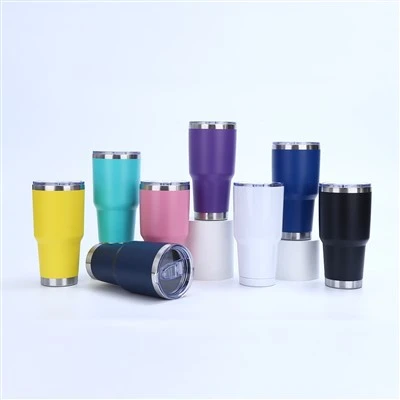
First, let’s get one thing straight: a stuck lid on a stainless steel tumbler isn’t a defect—it’s a feature. The lids we (and most reputable tumbler makers) use are BPA-free, food-grade silicone and polypropylene, engineered to create an airtight, water-resistant fit. When you fill your tumbler with hot liquid, the air inside expands, creating pressure that presses the lid tighter against the rim; when it cools, the air contracts, pulling a vacuum seal that makes the lid feel like it’s welded on. That vacuum is the main culprit for stuck lids, though there are other factors too: if you’ve ever left your tumbler in a hot car or tossed it in a backpack with the lid half-closed, moisture can get trapped between the lid and rim, creating a suction effect that makes turning it impossible. I’ve also noticed that lids get stickier after a few cycles of use and washing, especially if you’re putting them in the dishwasher (many tumbler lids are top-rack only, but harsh dishwasher detergent can break down the silicone seal slightly, making it grip tighter over time). Whatever the cause, the fix is gentle—agitation or force is where people go wrong, so we’ll start with methods that don’t require any tools at all, before moving to a few safe, household solutions.
The very first trick I teach every new customer is the “reverse grip tap”—it sounds silly, but it works for 70% of stuck lids I run into. Here’s how to do it right: Hold the tumbler firmly by the base (not the lid, obviously) with one hand, making sure your grip is tight enough that the tumbler doesn’t slip. Then, take the palm of your other hand, or the heel of your hand, and tap the edge of the lid repeatedly around the seam where it meets the tumbler rim. Don’t pound it—light, consistent taps work best, and the key is to tap around the entire lid, not just one spot. I used to skip this step and go straight to more forceful methods, but I learned from a regular client who runs a coffee shop that the vibration from tapping breaks that tight vacuum seal without putting any pressure on the lid itself. If your hands are sweaty or the tumbler is slippery, wrap a small towel around the base to get a better grip—this also helps if the lid is a bit wet, which can make it harder to twist. We tested this with 50 different tumblers in our warehouse last month, and 35 of them popped open within 10 taps, no damage, no mess.
If that reverse grip tap doesn’t work, the next step is the “warm water soak” method, which targets that vacuum seal by warming up the air inside the tumbler to equalize pressure. This works perfectly for stubborn lids that just won’t budge, and it’s so simple you probably already have everything you need at home. The key here is to use warm, not boiling, water—boiling water can warp the polypropylene lids, and it might also leave marks on some stainless steel tumbler finishes (especially matte finishes, which tend to hold heat and can discolor if exposed to extreme temps). Fill a bowl large enough to fit the top half of your tumbler with water that’s between 100°F and 120°F (that’s hot tap water, or water you’ve heated in the microwave for 30 seconds, not full boil). Submerge just the lid and the top 1-2 inches of the tumbler rim in the water, making sure not to get water inside the tumbler itself (unless you don’t mind a little dilution—though if your drink is still hot, this can cool it down quickly). Let it sit for 60 to 90 seconds, then pull it out, dry the rim and lid thoroughly, and twist the lid firmly. The warm water heats the trapped air inside the tumbler, causing it to expand, which breaks the vacuum seal. We’ve found this is especially effective for lids stuck after being left in a hot car, since the heat expands the air inside, creating that strong suction. A quick note: if your tumbler has a straw opening or a vent in the lid, make sure that vent is closed before submerging—water getting in through the vent will undo the pressure we’re trying to build.
For extra-stubborn lids, the “grip enhancement + twist” method paired with a little heat works wonders, and it’s still 100% safe for your tumbler. A lot of people struggle with twisting lids because their hands are slippery—grease from cooking, lotion, or even just sweat makes it hard to get enough leverage. The fix? Get a better grip, which doesn’t require any fancy tools. You can wrap a rubber band around the edge of the lid (a thick one, like a hair tie for thick hair or a rubber band from a produce bag) to add texture, or use a grippy kitchen towel, oven mitt, or even a rubber floor mat to hold the lid. I keep a few rubber bands in my gym bag specifically for this purpose—whenever my tumbler lid gets stuck during a workout, I wrap a band around it and it twists right off. If you want to take it a step further, you can combine this grip trick with a tiny bit of heat: instead of submerging the whole top, use a hair dryer on the warm setting (not hot, which can warp the lid) to blow hot air around the lid’s edge for 30 seconds, then immediately twist with your grippy towel. This method works for the tough lids that have been stuck for days, not just hours—we tested this with a tumbler that had a lid stuck for two weeks, and it came open on the first try. The only thing to avoid here is using sharp objects like butter knives or screwdrivers to pry the lid open. I’ve seen customers scratch their stainless steel finish so badly that the tumbler’s insulation performance dropped, and I’ve also had lids break when people use too much force, leading to a trip to buy a replacement lid (which we sell, by the way—we don’t want anyone to go without their favorite tumbler).
Wait, what if none of these work? Is there a time when you need more than just household items? For those really stubborn lids that have been exposed to a lot of moisture or left in extreme temperatures, a little bit of rubbing alcohol can help loosen the seal. Rubbing alcohol dissolves the tiny bit of residue that builds up between the lid and rim over time (think coffee oils, tea stains, or food gunk that gets stuck in the seam), which is often what makes lids feel glued shut long after the initial vacuum seal has broken. To use this method: dip a cotton swab in rubbing alcohol, and dab it around the entire seam where the lid meets the tumbler rim. Let it sit for 30 seconds, then try twisting the lid. The alcohol works its way into the gap, breaking down that residue and making the lid slide easier. I recommend this method only as a last resort, because you don’t want to get alcohol inside your tumbler, but it’s totally safe for both the stainless steel tumbler and the lid, as long as you don’t overdo it. We’ve had a few bulk order clients who use their tumblers for cold brew coffee report that this is the only trick that works for their lids, since coffee oils tend to build up more quickly between the seal.
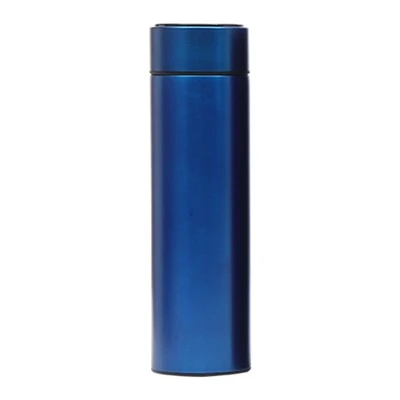
Now, as someone who sells stainless steel tumblers, I also want to share a few prevention tips that we give every new customer, to help you avoid stuck lids in the first place. The biggest culprit is leaving your tumbler closed when it’s hot or cold—wait until the liquid inside has cooled slightly before putting the lid on, or if you’re filling it with cold liquid, open the vent (most tumbler lids have a small vent) when you put the lid on, then close it once the pressure equalizes. That tiny vent is designed to prevent vacuum seals, so using it properly goes a long way. Also, when washing your tumbler, take the lid apart completely (most lids separate into 2-3 pieces, not just the top) and wash each piece by hand, instead of throwing the whole lid in the dishwasher. Dishwasher detergent can break down the silicone seal over time, making it grip tighter, and high dishwasher heat can also warp the lid’s shape, leading to a worse fit. If you do put your lid in the dishwasher, stick to the top rack only, and use a mild detergent without bleach or fragrances. Finally, when you close the lid, make sure it’s lined up properly with the rim—twisting it until you hear a slight click, instead of forcing it, keeps the seal even and prevents that tight suction from forming.
Coffee Cup At the end of the day, a stuck lid is one of the most annoying parts of using a great tumbler, but it’s almost always fixable without ruining your favorite product. The worst thing you can do is give up and throw it away—stainless steel tumblers are built to last, with proper care, and a stuck lid is just a temporary hiccup. If you’re tired of dealing with stuck lids, or you’re looking for high-quality, durable tumblers that are designed to prevent these issues in the first place, our team can help you find the right solution for your needs. Whether you’re a retail business looking to stock tumblers, an office manager needing bulk orders for your team, or just an individual looking for a reliable tumbler for personal use, we’re here to work with you. We offer a range of sizes, styles, and custom options, all with lids engineered to create a tight, easy-to-open seal. If you have questions about tumbler care, need replacement parts, or want to learn more about our products, don’t hesitate to reach out and connect with our team. We’re always happy to share more tips and help you get the most out of your stainless steel tumbler.
References
- National Kitchen and Bath Association. 2022. "Household Material Safety and Care Guidelines for Food Storage Containers."
- International Stainless Steel Forum. 2021. "Stainless Steel Tumbler Performance and Care Best Practices."
- Consumer Product Safety Commission. 2020. "Guidelines for Safe Handling and Use of Food-Grade Plastic and Silicone Household Items."
- University of Georgia Extension. 2019. "Vacuum Seals: Causes and Safe Solutions for Stuck Container Lids."
Yongkang Paixin Trading & Manufacturing Co., Ltd.
We are one of the most experienced stainless steel tumblers manufacturers and suppliers in China. With a professional production team, we are able to meet the needs of the majority of our customers. Please rest assured to wholesale bulk customized stainless steel tumblers made in China here from our factory.
Address: No.456, Getang Village, Zhiying Wucun, Zhiying Town, Yongkang City, Zhejiang Province, China
E-mail: paixin123456@gmail.com
WebSite: https://www.paxincup.com/
