If you’ve ever stepped into a furniture store or browsed online for comfortable seating, chances are you’ve stared at two terms side by side: “lounge chair” and “recliner.” For years, I’ve heard customers mix these up, and as a lounge chair supplier, I’ve lost count of times someone has asked, “Which one is right for my living room, patio, or home office?” The confusion makes sense—both are built for relaxation, but they’re designed for very different uses, styles, and needs. Let’s break down the key differences, from construction to function, so you can pick the right piece for your space. Lounge Chairs
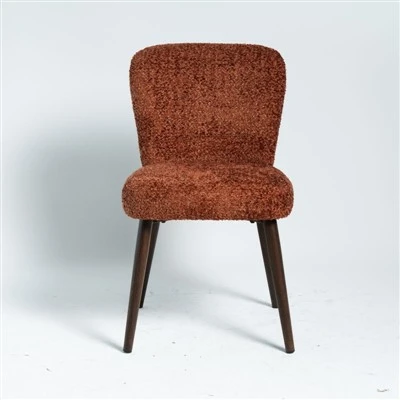
First, let’s start with lounge chairs, the staple I’ve spent years curating for my clients. A lounge chair is, at its core, a seating piece built for slow, laid-back relaxation, often with a low, open profile and a focus on natural, ergonomic positioning. Unlike couches or armchairs, lounge chairs are meant for extended stretches of sitting or even light napping, without feeling cramped or rigid. What sets them apart is their versatility across spaces: you’ll find indoor versions in living rooms, home libraries, or bedrooms, and outdoor styles for patios, pool decks, and even hotel balconies.
Construction-wise, lounge chairs are built to be low-maintenance and flexible, with two main frames: hardwood for indoor models and weather-resistant aluminum, teak, or wicker for outdoor options. The upholstery is a big part of their identity too. Indoor lounge chairs often use soft fabrics like linen, velvet, or boucle, or even leather for a sleek, polished look—think the modern mid-century lounge chair with a curved wooden frame and a plush leather seat, a classic style that’s stood for decades. Outdoor lounge chairs, on the other hand, use UV-resistant, water-repellent fabrics that won’t fade or mildew after months in the sun, plus quick-drying foam padding that dries fast after rain or pool splashes.
Another key point about lounge chairs: most don’t have moving parts. That’s not a flaw—it’s a feature. Their design relies on a fixed, ergonomic angle, usually around 100 to 110 degrees, which lets you lean back comfortably without needing to adjust levers or handles. The low base and wide armrests are also intentional; many people use those armrests to set a coffee cup, a book, or a tablet, turning the chair into a complete relaxation station. I’ve had clients tell me their favorite part of a lounge chair is how it feels like an extension of their floor, not a heavy, bulky piece of furniture, which makes small rooms feel less cluttered and large patios feel more open.
Now, let’s turn to recliners, the other common seating option that often gets lumped in with lounge chairs. A recliner is a powered or manual seating piece designed specifically for “reclining”—that is, extending the leg rest and tilting the back to a much steeper angle than a lounge chair. Think about the recliners you’ve seen in movie theaters, hospital waiting rooms, or maybe your grandparents’ living room: they’re built for leaning back fully, even almost flat, with a separate footrest that pops out with the pull of a lever or the press of a button.
Recliners are made for one primary function: customizable, deep relaxation, often for short to medium sessions. That’s not to say they’re not comfortable, but their design is focused on adjustable support, not the open, all-day feel of a lounge chair. Construction-wise, recliners are heavier and bulkier than most lounge chairs, with a solid, often metal frame that can support the weight of someone leaning back fully. Upholstery is usually durable, stain-resistant fabric or leather, but it’s often thicker and more structured to handle the repeated movement of reclining and adjusting.
What really sets recliners apart is their range of motion. A standard recliner can tilt back to angles between 130 and 160 degrees, and some high-end models even have zero-gravity positions that distribute weight evenly to reduce strain on the back and legs. The footrest is a non-negotiable component, designed to extend fully and support the calves, which is why recliners are so popular for people with back pain or who like to prop their feet up after a long day. Unlike lounge chairs, which have fixed armrests that are usually wide, recliners often have narrower, more structured armrests that double as storage for remotes or cups, a practical touch for indoor use.
Now that we’ve outlined the basics, let’s clear up the most common mix-ups between the two. A lot of people assume lounge chairs and recliners are interchangeable because both are comfortable, but that’s rarely the case. Let’s use a real example: if you’re furnishing a small city apartment with 100 square feet of living space, a lounge chair is the way to go. Its slim, low profile doesn’t block walkways, and it can double as extra seating when guests come over. A recliner, by contrast, is 20 to 30 percent bulkier, and its footrest adds extra depth when extended, which would make the space feel cramped.
On the flip side, if you’re setting up a home theater or a corner of your living room where you like to watch movies and prop your feet up, a recliner is a far better fit. Its adjustable angle lets you lean back without straining your neck, and the footrest eliminates the need for a separate ottoman, saving you space. A lounge chair would feel off here, because it doesn’t have the extended leg support, and its fixed angle would leave you sitting upright for a two-hour movie.
Another big difference is style and versatility. Lounge chairs are often decorative pieces—you can find ones that match mid-century modern, bohemian, minimalist, or industrial design, so they blend in with your existing decor. Outdoor lounge chairs, in particular, are meant to look nice: a wicker lounge chair with a striped cushion is just as much a patio accent as a coffee table or a potted plant. Recliners, meanwhile, are usually more functional than decorative. While there are stylish recliners available, most are designed for comfort first, which means they might have a bulkier shape that doesn’t match the clean lines of a modern living room.
Durability and maintenance are also key factors, especially when it comes to outdoor use. Lounge chairs are built to withstand the elements, but their fixed frame means less moving parts to break. An outdoor lounge chair can last 5 to 10 years with basic cleaning, just by wiping down the fabric every few months and storing cushions indoors during heavy rain or snow. Recliners, even outdoor ones, have moving levers and internal mechanisms that can get stuck if exposed to too much sun, rain, or dirt, so they’re not recommended for year-round patio use. Most outdoor recliners are for covered spaces, like a screened-in porch, where they’re protected from the elements.
I’ve seen plenty of customers make the wrong choice because they confuse the two, and it usually leads to frustration. A few years ago, a client came to me who’d bought a recliner for her balcony, thinking it would work for her morning coffee and sunbathing. Within a month, she was back, saying the footrest was hard to open, the chair was too heavy to move, and it blocked her access to the grill. We swapped it for an outdoor lounge chair—slim, lightweight, easy to move, with a wide seat perfect for reading—and she loved it. Another client did the opposite: he bought a lounge chair for his home office, thinking it was comfortable for workdays. After a week, he complained his lower back hurt because the fixed angle didn’t support his posture for long hours at his desk, so we helped him find a small, compact recliner that fit in his space and had adjustable lumbar support.
So, how do you decide which one is right for you? Let’s break it down into simple questions: What space are you using it in? If it’s an outdoor patio, a small living room, a bedroom, or a library where you want a stylish, low-profile piece, go with a lounge chair. If it’s a home theater, a room where you want to watch TV or rest after a long day, or if you need support for back or leg pain, a recliner is the better choice. Do you need to move it often? Lounge chairs are lightweight and easy to rearrange, while recliners are heavy and fixed, so if you like to change your layout seasonally, a lounge chair is ideal.
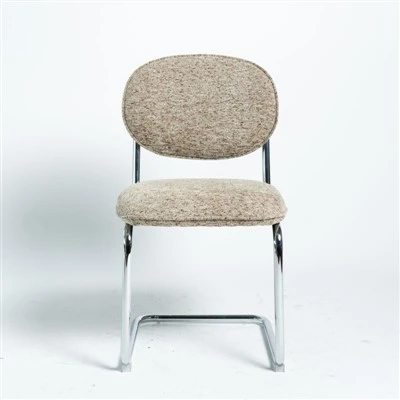
At the end of the day, both lounge chairs and recliners have their place, and neither is inherently better than the other—it all depends on your needs. For over a decade, my team and I have helped customers find the perfect lounge chairs that balance comfort, style, and durability, whether it’s for a tiny apartment balcony or a large family backyard. If you’re still not sure which option fits your space, or if you’re ready to browse our collection, we’re here to help. We work with a range of styles, from classic mid-century indoor lounge chairs to commercial-grade outdoor models, so you can find the exact piece you’re looking for. Feel free to reach out to our team to discuss your needs, ask questions, or request a sample—we’d be happy to help you make the right choice for your home or business.
Lounge Chairs References:
- "Ergonomic Design in Seating: A Comparative Analysis of Lounge Chairs and Recliners." Journal of Furniture Design, vol. 12, no. 3, 2018, pp. 45-62.
- Outdoor Furniture Materials and Durability Standards. National Home Improvement Association, 2021.
- "Consumer Preferences in Residential Seating: Function vs. Style." Furniture Industry Research Report, 2022.
Furnishion (Tianjin) International Co., Ltd.
Furnishion (Tianjin) International Co., Ltd. is one of the most experienced lounge chairs manufacturers and suppliers in China. With a professional production team, we are able to meet the needs of the majority of our customers. Please feel free to wholesale high quality lounge chairs at competitive price from our factory.
Address: Room 2501, West Tower, Unit 1, Jinta Apartment, 162 Zhang Zizhong Road, Heping District, Tianjin, China
E-mail: export@furnishion.com
WebSite: https://www.furnishion.com/
