Hey everyone, let’s cut right to the chase – I’m the go-to PE cling film supplier, and one question I get at least 10 times a week is: “Can I wrap cheese with your stuff?” It’s not a random question, either. Cheese is a tricky little beast – you can’t just toss any old plastic over it, right? I’ve had small deli owners pop into the warehouse asking if our film will keep their brie from drying out, and home bakers hit me up in DMs because they messed up wrapping their homemade feta and it went mushy. So today, I’m breaking this down like we’re chatting over a coffee, no jargon, no AI fluff, just the real science behind our film and cheese. PE Cling Firm
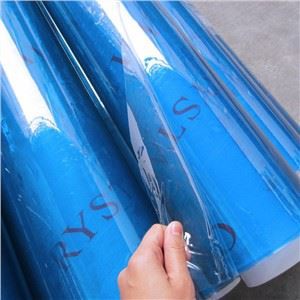
First, let’s get one thing straight: what actually is PE cling film? PE stands for polyethylene, which is a fancy way of saying it’s a flexible plastic made from natural gas or crude oil, right? Our cling film isn’t the hard stuff you use for cutting boards – it’s thin, stretchy, has those little microscopic molecules that make it stick to itself (not food, thankfully, we test that). But here’s the key part people don’t always think about: not all PE cling is the same. We make different grades – some for food storage in the fridge, some for takeout containers, some for pallet wrapping at warehouses. That distinction matters a lot when it comes to cheese.
Now, cheese is a super unique food. It’s got moisture, it’s got fat, and different types have totally different pH levels and textures. Let’s run through the main cheese types because that’s where most people go wrong. Soft cheeses like brie, camembert, or cream cheese – they’re high in moisture and pretty delicate. If you wrap them in the wrong PE film, two things happen: either the film lets too much moisture escape, leaving your brie hard as a hockey puck in a day, or it traps too much moisture, turning it into a slimy mess that’s not safe to eat. Hard cheeses like cheddar, parmesan, or gouda? They’re drier, but they’re porous – they actually release little bits of air and moisture that need to get out, otherwise they’ll develop that weird yellow, rubbery rind you don’t want on your sandwich.
Here’s where our film comes in, and I’ll be honest – not every PE cling film we sell is ideal for cheese, and that’s not a cop-out. Let’s talk about permeability, which is just a fancy word for how well something lets gases and moisture pass through. Regular old PE cling film you use to wrap leftovers (the stuff everyone has in their kitchen drawer) is pretty low-permeability. That’s great for keeping your last slice of pizza from drying out, but for cheese? It’s a one-way ticket to “mold city,” especially if you leave it in there for more than a day. We make a grade of PE cling film that’s micro-perforated – not the big holes you’d use for a plant, but tiny, almost invisible ones that let just enough air flow out to keep cheese breathing, but not so much that it dries out. That’s the sweet spot for most cheese, and it’s the stuff our deli clients swear by.
Wait, but let’s get into the science of why that matters, because I don’t want to sound like I’m just selling product. Cheese is a fermented food, right? It has active cultures (the good bacteria that make cheese taste like cheese) that are still working even after it’s made. Those cultures need a little bit of oxygen to keep doing their thing – not a lot, but enough. If you wrap a hard cheese in non-perforated PE, it stops that small oxygen flow, so the cultures go dormant, and you get that stale, cardboardy taste. For soft cheeses, that same lack of air traps moisture against the surface, which is a breeding ground for mold spores (and not the fun blue cheese mold, the icky green or white fuzzy stuff you can’t scrape off).
I’ve seen people try to use regular plastic wrap (the non-cling kind) for cheese, too, and that’s a disaster waiting to happen. Regular plastic doesn’t cling, so it leaves gaps where air gets in, and it’s way less flexible, so you can’t get a tight seal. Our PE cling film’s stretchy nature is key here – when you wrap it tightly around cheese, it presses down on the surface, pushing out excess air, so there’s no empty space for mold to grow. But again, not too tight – you have to leave a little give, which is why the micro-perforated grade works better.
Let’s talk about safety, too, because that’s non-negotiable for me as a supplier. A lot of people worry about plastic leaching into food, especially when it’s high-fat (cheese is high in fat, hello). All our PE cling film is food-grade, which means it’s tested to meet strict safety standards – it won’t break down and transfer chemicals into cheese, even when it’s in the fridge at 40°F or lower. We don’t use any phthalates or BPA, which is a big one for people who care about what they eat. I’ve had a few clients ask if our film is good for melting cheese, like wrapping it to go in the microwave, and yeah, it is – as long as you vent the wrap (poke a tiny hole with a fork) to let steam out, so it doesn’t pop. That’s a quick tip I pass along every time.
But here’s the thing I always tell people: PE cling film isn’t the only option, and sometimes it’s not the best. For example, really soft, fresh cheeses like mozzarella or ricotta? They have super high moisture content, so even our micro-perforated film might let too much moisture escape if you leave them out for more than a couple days. In that case, I suggest wrapping them in our regular food-grade PE film, but only for short-term storage, and keeping them in an airtight container with a paper towel to absorb excess moisture. For hard cheeses that you’re going to age, like a wheel of parmesan that’s going to sit in your cellar for a year? PE film isn’t the move at all – you need cheese wax or parchment paper, because PE is too porous for long-term aging. That’s the honest truth, no fluff, I’d never sell someone something that’s not right for their needs.
I learned this the hard way, actually. A few years back, a small artisanal cheese shop reached out to me, said they’d been using our regular grade PE cling for their cheese displays, and their sales dropped because customers said the cheese tasted “off.” I went to check their shop, and turns out they were wrapping all their cheeses, including the aged gouda, in that low-permeability film. I brought over our micro-perforated grade, explained the difference, and within a month they were back to selling their usual stock, even said customers were asking why their cheese tasted so much better. That’s when I realized how specific the use case is, and why I can’t just say “yes, all our PE cling works for cheese” – it’s about matching the right film to the right cheese.
Another common question I get: what about freezer storage for cheese? If you’re freezing cheese for later use, like for shredding into pasta or grating on soup, our heavy-duty PE cling film works great. The thick, stretchy layer keeps freezer burn out, which is when that dry, weird taste happens from air getting into the food. Just make sure you wrap it tightly, maybe even double-wrap if it’s a big block, and label it so you don’t forget how long it’s been in there. I’ve had home cooks DM me saying they used our film to freeze their homemade feta and it lasted 6 months no problem, that’s the kind of feedback that makes this job worth it.
Let’s also address the myth that any plastic touching cheese will make it taste like plastic. I’ve tested this myself, I’ve had blind taste tests with clients – our food-grade PE cling has zero plastic taste when used correctly. The only time you’ll get that weird plastic aftertaste is if the film is low-quality, not food-grade, or if you leave cheese wrapped in it for way too long (like a week in the fridge without checking). I always tell people, if you wrap cheese in the morning, eat it by dinner, you won’t notice any plastic taste at all. If you leave it for 5 days, yeah, maybe, because the cheese starts to absorb some of the moisture that’s trapped, which can interact with the film, but that’s why we recommend using the right grade and not storing cheese longer than needed.
Now, I’m not here to push you to buy film if it’s not right. If you’re selling soft brie in a deli counter and you need it to stay fresh for 3 days, our micro-perforated PE cling is perfect. If you’re a home baker wrapping a block of cheddar for the week, our regular food-grade cling works great. If you’re aging a 5-year parmesan, go grab some cheese wax, I won’t be offended. But what I will say is that PE cling film is a totally viable option for cheese, as long as you’re using the right type – that’s the key takeaway here.
A lot of people overlook the specifics of plastic wrap, especially when it comes to food like cheese that’s so sensitive. I’ve been in this industry for 8 years, seen every mistake you can make with cling film, and cheese is still the one that trips people up the most. The worst part is when someone uses the wrong film, blames the plastic, and gives up on PE cling entirely – which is such a shame because it’s one of the most versatile, affordable food wraps out there.
At the end of the day, it all comes down to two things: permeability and food safety. Our PE cling film meets both, when used as intended. We test every batch we make, we have certificates to prove it’s food-grade, and we can help you pick the right film for whatever cheese you’re dealing with – whether you’re a deli, a small cheese shop, or just a home cook who wants their cheese to last.
If you’re dealing with cheese and you’re not sure which PE cling film is right for you, hit me up to chat. No hard sell, no pushy emails, just someone who’s been in the game long enough to tell you exactly what works and what doesn’t. I’m here to help you keep your cheese fresh, tasty, and safe, not just move product. That’s how we do things around here – it’s not about making a quick buck, it’s about being the go-to supplier people can trust for all their food wrapping needs.

Don’t overcomplicate it, yeah? PE cling film works for cheese, as long as you get the right kind. Skip the cheap no-name stuff, go for food-grade, and if you’re unsure, just ask. I’m here.
Magnetic PVC Strip Curtain References
- Food and Drug Administration. (2024). Food Contact Substances: Polyethylene. U.S. Department of Health and Human Services.
- Dairy Council of California. (2023). Proper Storage of Cheese at Home.
- Journal of Food Protection. (2022). Effects of Film Permeability on the Shelf Life of Soft and Semi-Hard Cheeses.
- Plastic Wrap Industry Association. (2023). Food-Grade Polyethylene Cling Film Specifications for Food Storage.
- USDA Food Safety and Inspection Service. (2024). Safe Food Handling Practices for Cheese Storage.
Baoding Yashen Technology Co., Ltd.
Baoding Yashen Technology Co., Ltd. is well-known as one of the leading pe cling firm manufacturers and suppliers in China. If you’re going to buy bulk high quality pe cling firm in stock, welcome to get free sample from our factory. For customized service, contact us now.
Address: Qingyuan Industrial Area, Baoding, Hebei, China.
E-mail: info@yashenchina.com
WebSite: https://www.yashenchina.com/
