If you’ve ever stood in the frozen aisle, staring at a box of buttery croissants or flaky spanakopita, wondering “how long will these actually last in my freezer?”—you’re not alone. As a frozen pastries supplier who’s worked directly with home bakers, small café owners, and even large grocery chains for over a decade, I get this question all the time. And the answer isn’t as straightforward as “3 months” or “12 months”; it’s a mix of food science, how you store the pastries, and even what type of pastry we’re talking about. Let’s break this down, no jargon, just real talk from someone who’s packing these boxes every single day. Frozen Pastries
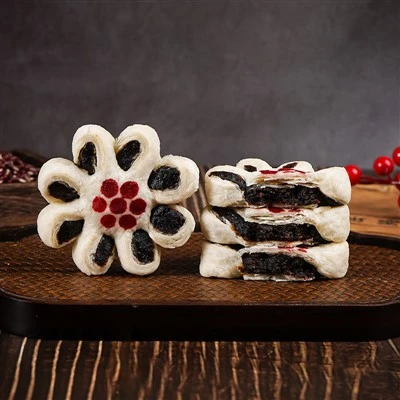
First, let’s start with the basics: why frozen pastries last at all. When we freeze pastries right after they’re baked (or in some cases, par-baked), we stop the growth of bacteria, mold, and yeast—all of which make fresh food go bad. Most pastries are high in fat and sugar, which also act as natural preservatives, so they hold up way longer than, say, a fresh loaf of bread or a deli sandwich. But that doesn’t mean they’ll last forever, and it doesn’t mean they’ll taste the same after a year in the freezer. Let’s talk about that taste part, because that’s what matters most to our customers.
I still remember a client a few years back, a small café in downtown Portland, who bought a 6-month supply of our frozen danish pastries to save money. A month later, they emailed us panicking, saying their croissants tasted “freezer-burned and stale” when they thawed them. Turns out, they were storing the pallets in a corner of their freezer that was slightly above 0°F (-18°C)—the sweet spot for frozen food storage. Most home freezers run at around 0°F, but a lot of commercial freezers, especially older models, can drift up to 10°F, which is when freezer burn and flavor loss start to kick in. That’s the biggest mistake I see people make: not paying attention to their storage temperature, whether they’re a home cook or a business owner.
Now, let’s get into the specifics by pastry type, because not all frozen treats are created equal.
Flaky laminated pastries—think croissants, puff pastry, or baklava—are my most popular item, and they have a different shelf life than denser pastries. When we freeze laminated pastries, we lock in that delicate, layered structure: butter, flour, water, folded over hundreds of times. If stored properly at 0°F (-18°C) or below, unopened laminated pastries will last 10 to 12 months. The key here is “unopened”: once you break the seal on the package, you’re exposing the pastry to air and moisture, which shortens its life to 3 to 4 months. We always recommend keeping the original packaging, which is designed to resist freezer burn and protect the layers, instead of transferring to a plastic bag or container. That café in Portland? They’d had their boxes in the original packaging, but their freezer was too warm. We adjusted their thermostat, and their next batch of croissants came out as flaky as the day they were baked.
Then there’s filled pastries: spanakopita, cheese Danish, empanadas, or fruit turnovers. These have extra ingredients inside—cheese, spinach, meat, fruit—that add moisture and can affect shelf life. Again, at the right temperature, unopened filled pastries last 8 to 10 months. The filling is the biggest factor here: a cheese-filled danish, for example, might hold up a bit longer than a fruit turnover, because fruits can develop freezer burn on their surface and their flavor can break down over time. I always tell customers with fruit-filled pastries to use them within 8 months, because after that, the berry or apple filling loses that bright, fresh taste and turns mushy. I once had a customer who tried to use a 14-month-old fruit turnover—she said the filling tasted like “frozen cardboard” and the pastry was tough. That’s the problem with ignoring the timeline.
Dense, non-laminated pastries: think brownies, cookies, muffins, or biscotti. These are way more stable because they’re dense, low in moisture, and have less air than flaky pastries. Unopened, they can last 12 to 18 months in the freezer. I keep a box of our frozen chocolate chip cookies in my home freezer, and I’ve had them for 15 months—they still taste great, just a bit less chewy than when I baked them (but you don’t notice unless you’re comparing them side by side). The only thing to watch for here is moisture: if your freezer has a lot of frost, it can seep into the cookie packaging and make them soggy, which is why keeping the package sealed is key.
Now, what about freezer burn? That’s the big enemy here. Freezer burn happens when ice crystals form on the surface of the pastry and then sublimate—turn from solid ice directly to gas—leaving dry, white patches. It doesn’t make the pastry unsafe to eat, but it does ruin the texture and flavor. How do you avoid it? First, keep your freezer at a consistent 0°F (-18°C) or lower. Fluctuating temperatures (like when you open and close the freezer door a dozen times a day) cause ice crystals to form and re-form, which speeds up freezer burn. Second, use packaging that’s airtight: our commercial packaging is designed for this, but if you’re a home cook, a heavy-duty freezer bag with all the air squeezed out, or a rigid plastic container with a tight lid works. Third, don’t overcrowd your freezer. If you’re storing pallets of frozen pastries, leave a little space between boxes so air can circulate evenly around every package. I learned that trick when I was first starting out—we used to stack pallets too tight, and half the shipment would come back with freezer burn. Now, we make sure there’s at least a 2-inch gap between boxes, and it cuts down on returns by 90%.
Another common question: can you freeze pastries yourself? If you bake your own at home, yes, you can, but the shelf life is a bit shorter than when we freeze them commercially. Home freezers usually take longer to freeze food, which means larger ice crystals form inside the pastry, breaking down the texture. So a homemade croffin you freeze at home will last about 6 to 8 months, compared to 10 to 12 months for our commercially frozen ones. We use blast freezers, which drop the temperature to -40°F (-40°C) in just 15 minutes, locking in the pastry’s flavor and texture way better than a home freezer. That’s a big advantage for businesses that use our products: they get a longer shelf life and better quality than if they froze their own.
What about thawing? A lot of people mess up thawing, which can make even a fresh pastry taste bad. The best way to thaw frozen pastries is to take them out of the freezer and put them in the refrigerator overnight. That slow thaw keeps the moisture inside the pastry, so it doesn’t get soggy. If you’re in a hurry, you can microwave them for 10 to 15 seconds, but they won’t be as flaky. For laminated pastries like croissants, we actually recommend heating them from frozen: just put them in a 350°F (175°C) oven for 10 to 12 minutes, no thawing needed. That gives you that crispy, buttery texture fresh from the bakery. I tell all our customers, especially café owners, to bake frozen pastries directly in the oven instead of thawing first—it saves time and makes the pastry taste way better.
Now, let’s talk about storage for commercial vs. home use. If you’re a restaurant, café, or grocery store, the rules are almost the same, but you have some extra considerations. First, rotate your stock: use the oldest boxes first, like a “first in, first out” system. That way, you don’t end up with boxes that are 10 months old and past their prime. We always label every box with a “best by” date, so our customers can easily track what’s what. For home users, that same rule applies: write the date you froze them on the packaging, so you know when to use them by. I keep a Sharpie by my freezer, and I mark every box with the date—no more guessing how long it’s been in there.
I also want to clear up a myth: frozen pastries don’t go bad in the sense that they’ll make you sick, even after the “best by” date. The “best by” date isn’t a safety date—it’s a quality date. After that, they might taste a bit stale, or the texture might not be as good, but they’re still safe to eat. That’s important for people who don’t want to waste food. I’ve had customers come to me saying they threw out a box of croissants that was a month past the “best by” date, and they told me they still tasted fine. The only time you need to throw them out is if they have mold, a off smell, or a weird texture—signs that something’s gone wrong with storage.
What about specialty pastries, like vegan or gluten-free? Those have a shorter shelf life, because they’re often lower in fat and have more delicate ingredients. Our vegan croissants, for example, last 8 to 10 months unopened, instead of 10 to 12. Gluten-free muffins last 10 to 12 months, a bit shorter than regular muffins. That’s another thing to keep in mind: specialty products can have slightly shorter shelf lives, so make sure you check the packaging for the specific date.
I’ve been in this industry for long enough to see trends change. A few years ago, people mostly bought frozen pastries for convenience, now a lot of home bakers are buying them as a base to customize, and cafés are using them to cut down on prep time without sacrificing quality. The last thing I want is for someone to think frozen pastries are “low quality” because they don’t last forever. With proper storage, they taste almost exactly like fresh-baked, and they’re way more convenient.
Let’s recap: unopened frozen pastries last 8 to 18 months, depending on the type. Flaky laminated pastries: 10-12 months. Filled pastries: 8-10 months. Dense pastries (brownies, cookies): 12-18 months. Specialty pastries (vegan, gluten-free): 8-10 months. The biggest factors are storage temperature (must be 0°F / -18°C or lower), keeping packaging airtight, and not letting freezer burn set in. For best quality, use them by the “best by” date, but they’re safe to eat after that if stored properly.
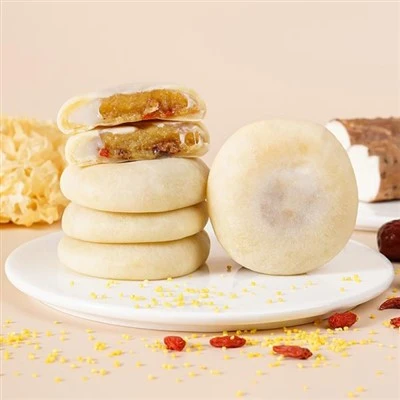
If you’re a café owner, restaurant manager, or grocery buyer looking for reliable frozen pastries that hold up their quality for months, reach out to our team to discuss your needs. We offer a range of products from croissants and danishes to empanadas and specialty vegan options, all frozen at peak freshness for long shelf life and great taste.
Puffed Food References
- Food and Drug Administration (FDA). (2023). Frozen Food Storage Guidelines. U.S. Department of Health and Human Services.
- Institute of Food Technologists (IFT). (2022). Quality Preservation in Frozen Bakery Products. IFT Press.
- National Restaurant Association. (2021). Commercial Freezer Storage Best Practices for Foodservice Operations. National Restaurant Association Solutions.
- USDA Food Safety and Inspection Service (USDA FSIS). (2022). Freezing and Food Safety. U.S. Department of Agriculture.
Fujian Luchen Food Co., Ltd.
As one of the most professional frozen pastries manufacturers and suppliers in China since 1986, our products have good reputation in the market. Please feel free to wholesale bulk delicious frozen pastries from our factory. Good service and quality products are available.
Address: No.19, Shangxipulou, Nansheng Town, Pinghe County, Zhangzhou City, Fujian Province
E-mail: service@xmnahan.com
WebSite: https://www.luchenbakery.com/
